Geofoam – Bridges
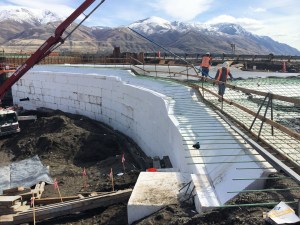
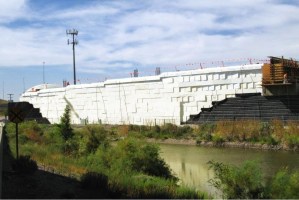
Bridge Abutment Construction for Highways and Railways
When it comes to bridge construction, every detail matters. EPS Geofoam is a proven solution for building stronger, more reliable structures. It also does this with less weight and more control. So, whether you’re working on approach fills, abutments, or load-sensitive areas, Geofoam offers unmatched performance.
How Is Geofoam Used in Bridge Projects?
Geofoam may be light, but its impact on bridge construction is huge. Here’s how it’s commonly used:
- Bridge Approach Fills & Roadway Transitions
- Reducing Lateral Pressure on Abutments & Retaining Walls
- Void Fill Around Utilities or Structural Components
- Stabilizing Soft Soils in Load-Sensitive Zones
- Minimizing Settlement Behind MSE Walls
Geofoam is lightweight, and this helps limit stress on underlying soils and existing structures. It’s lightweight nature makes it ideal for challenging terrain or where settlement could compromise structural integrity.
Why Use Geofoam for Bridge Construction?
So, why should you use geofoam in bridges? There are several important reasons why Geofoam might be the best option for your next project.
- Ultra-Lightweight: Geofoam can reduce vertical and lateral loads. This makes it ideal for backfilling near bridge abutments and approach slabs.
- Consistent Performance: Geofoam does not settle over time. This helps maintain grade and structural alignment long after you’ve done the installation.
- Fast & Simple Installation: You don’t need to wait on compaction because geofoam blocks are easy to place and stack. This saves time and reduces labor costs.
- Custom-Cut Options: Geofoam blocks can be trimmed or shaped on-site. You can fit them around pipes, footings, or irregular spaces.
- Resilient & Long-Lasting: EPS foam resists moisture,it won’t break down over time, and it isn’t affected by insects, rot, or mold.
Using Geofoam helps reduce construction timelines, control costs, and improve long-term performance. This is especially true in areas with soft or unstable subgrade.
Frequently Asked Questions about Geofoam for Bridges
Does Geofoam support the weight of roadways and vehicles?
Yes, absolutely it does. As long as it is properly engineered and installed with the appropriate topping materials like concrete or asphalt, Geofoam provides a stable base for bridge approaches and roadways. It can help distribute loads evenly while also minimizing stress on the ground below.
Can Geofoam reduce settlement behind bridge abutments?
Yes, traditional soil fill often settles over time, and this causes uneven transitions. This can mean expensive repairs. However, geofoam is lightweight and stable. So, it dramatically reduces the potential for settlement near abutments or under approach slabs.
How does it perform in wet conditions or flood-prone areas?
EPS Geofoam is super moisture resistant, and it will not absorb significant water. This makes it a solid choice for wet or flood-prone environments. However, for the best results, you need to make sure it has proper drainage and that protective membranes are being used.
Bridge Construction Made More Reliable with EPS Geofoam
When you need performance without compromise, Geofoam from CMI Insulation delivers. Our Geofoam is strong, stable, and easy to work with. This helps you build bridges that last. Contact our team to learn more.
We Proudly Service These Areas:
- United States: Utah, Colorado, Arizona, New Mexico, Texas, Nevada, California, Oregon, Washington, Idaho, Montana, Wyoming
Canada: British Columbia
Tell us about your project for a fast quote