
Pole Barn Insulation
Made for Performance, Moisture Control & Fast Installation
Custom-cut insulation solutions for pole barns, post-frame buildings, workshops, agricultural structures, and equipment storage built to help control heat flow, reduce condensation, and improve year-round comfort.
Request a Free Quote
Banner Form
"*" indicates required fields
BENEFITS OF POLE BARN INSULATION
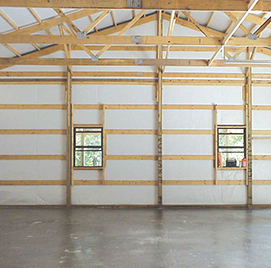
Controls Heat Flow
Insulation slows heat transfer, helping your pole barn stay warmer in winter and cooler in summer.

Helps Prevent Condensation
A quality facing and proper system design help reduce moisture buildup that can lead to mold, corrosion, and long-term damage.
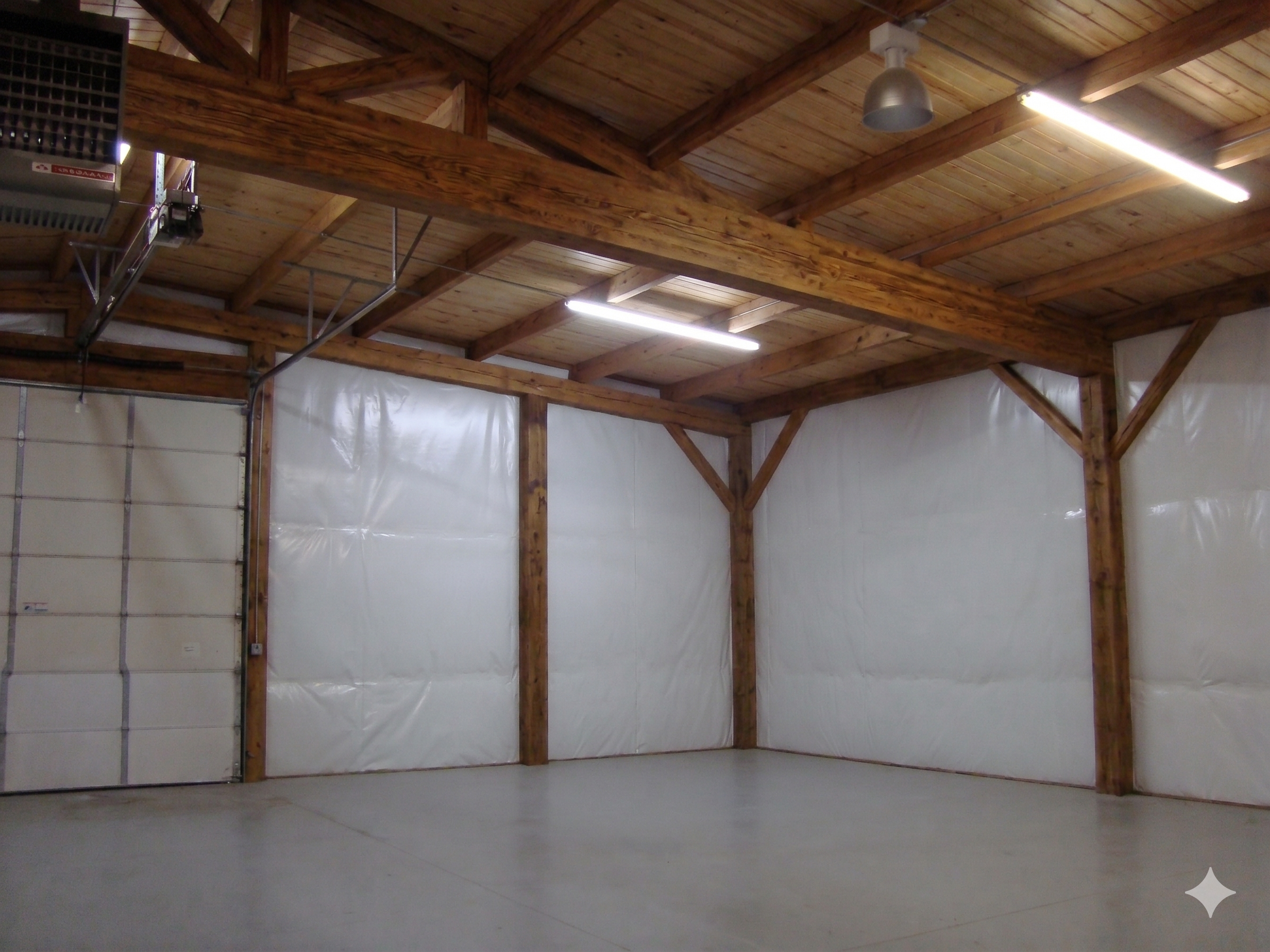
Improves Comfort & Usability
Create a more usable space for work, storage, livestock, equipment, or hobby use throughout the year.

Creates a Cleaner Interior Finish
Faced insulation can provide a bright, finished appearance while improving light reflectivity inside the building.
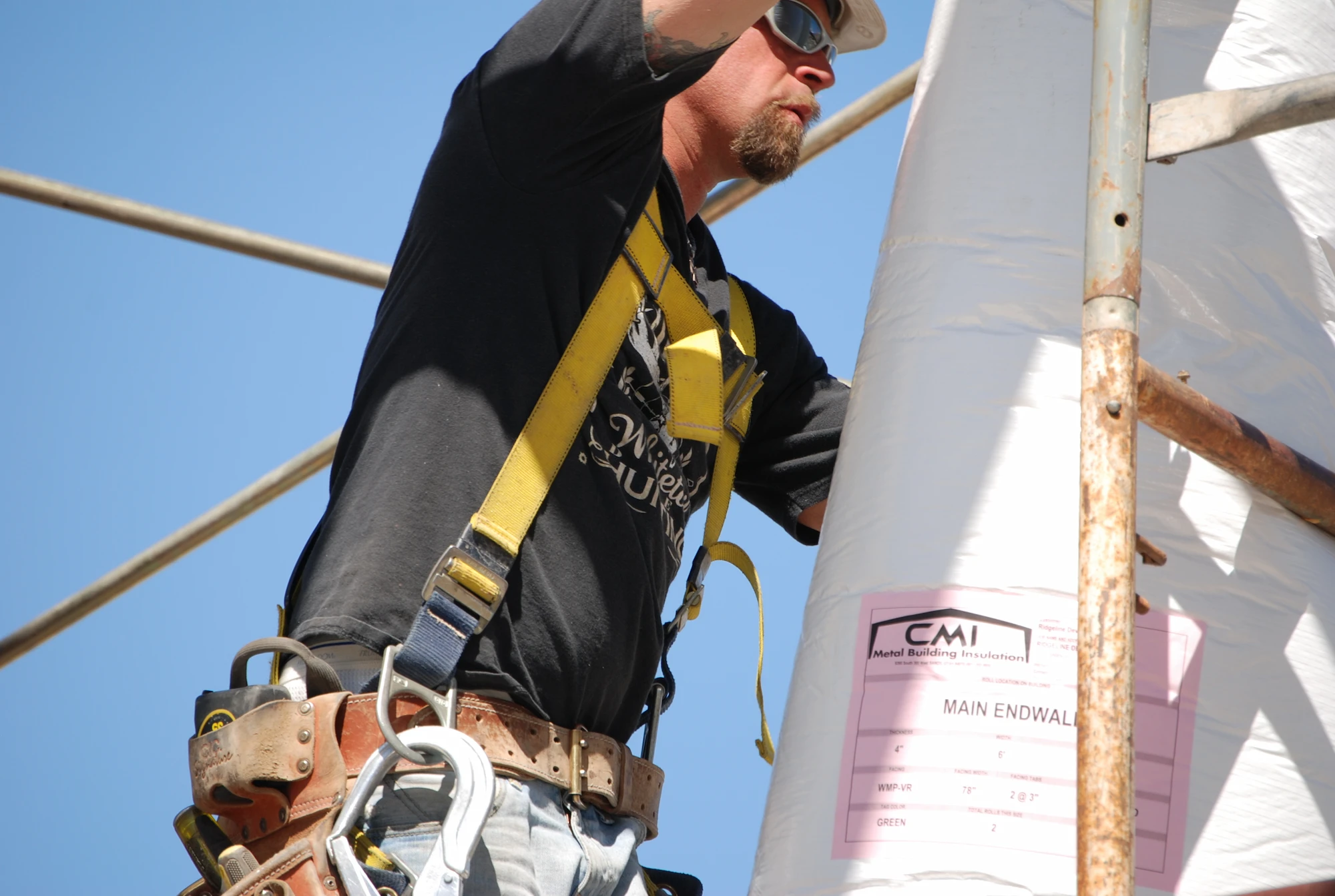
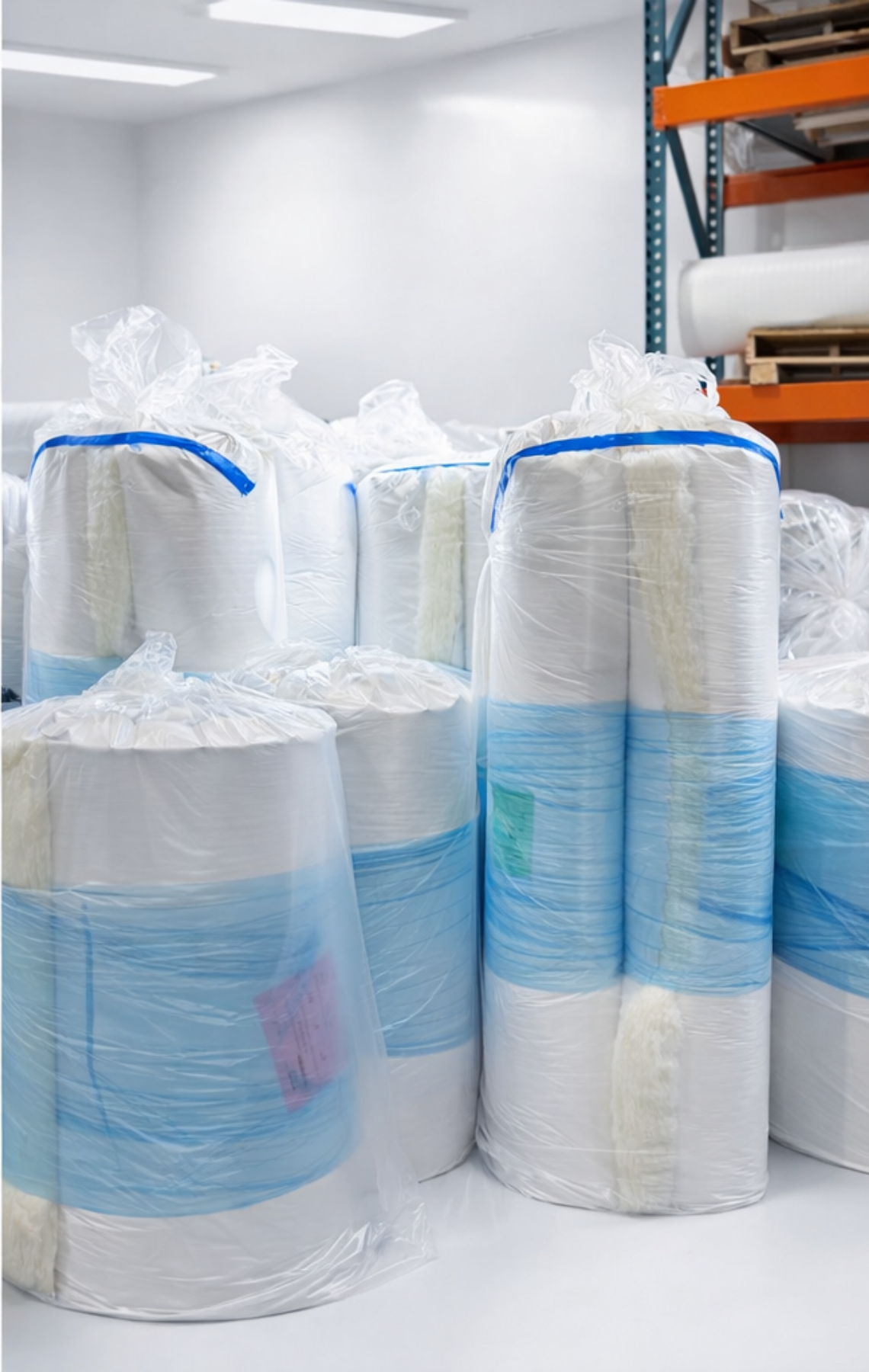
R-19 Heavy Duty Reinforced w/Batt (Per S.F.) – $.95 per sq ft
R-19 Heavy Duty Reinforced w/Batt (Rolls) – $190 ea (200 S.F. roll)
What Pole Barn Insulation Is and Where It Works Best
Pole barn insulation is designed to improve the thermal performance, moisture control, and overall usability of post-frame buildings. The right insulation system can help protect stored equipment, improve comfort for people and animals, and reduce energy waste in heated or cooled spaces.
Who It’s For (Industries Served):
- Agricultural buildings
- Workshops and hobby shops
- Equipment and vehicle storage
- Horse barns and livestock buildings
- Garages and mixed-use post-frame structures
- Utility and commercial outbuildings
Best for buildings that need:
- temperature control
- condensation reduction
- a cleaner interior finish
- a cost-effective insulation upgrade
THREE SOLUTIONS. ONE RIGHT FIT.
CHOOSE THE RIGHT POLE BARN INSULATION
Not every pole barn needs the same insulation strategy. The right system depends on how the building will be used, the level of thermal performance you need, your moisture concerns, and your budget. CMI offers three practical pole barn insulation solutions so owners, contractors, and building buyers can choose the option that fits their project best.
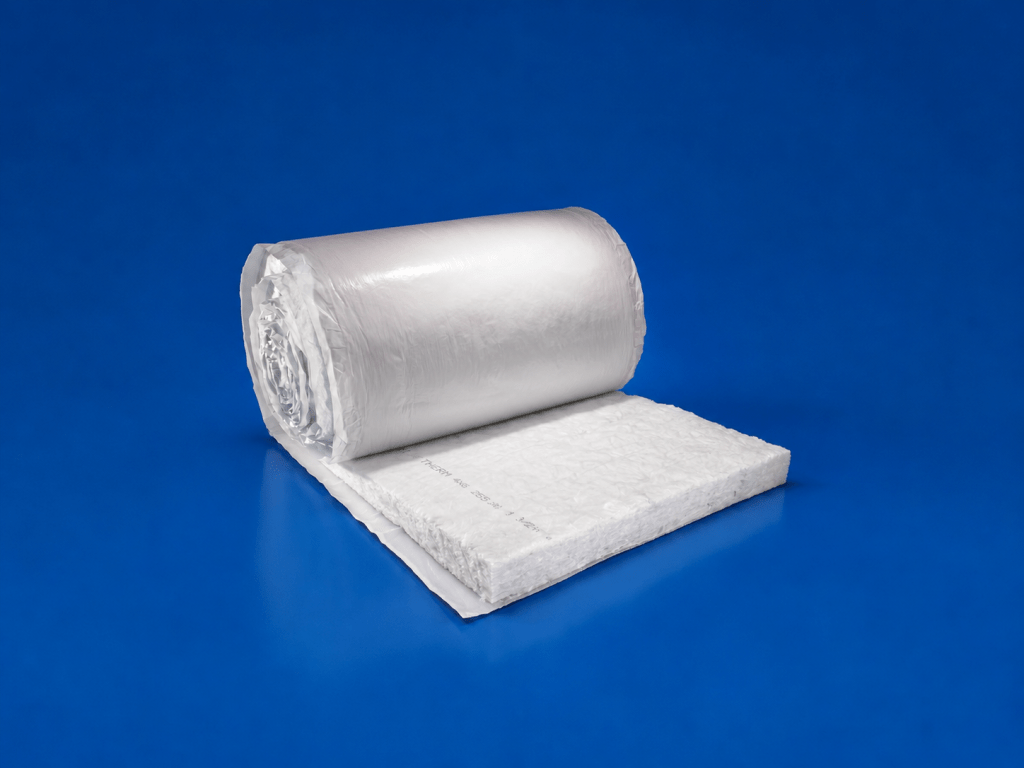
Faced Fiberglass Blanket Insulation
Best for: Budget-conscious pole barns that need dependable thermal performance and moisture control without overcomplicating installation. Why choose it: Faced fiberglass blanket insulation is one of the most practical choices for pole barns because it combines affordability, ease of installation, and solid heat-flow control in one system. The facing acts as a vapor barrier to help reduce condensation and moisture damage, which is especially important in barns used for storage, livestock, or everyday work. CMI’s fiberglass blanket insulation is also Class A fire-rated and formaldehyde-free, making it a safer option for people, animals, and equipment inside the building. Ideal applications: Agricultural buildings, utility barns, equipment storage, livestock spaces, and large open pole barns where cost-effectiveness and straightforward installation matter most.
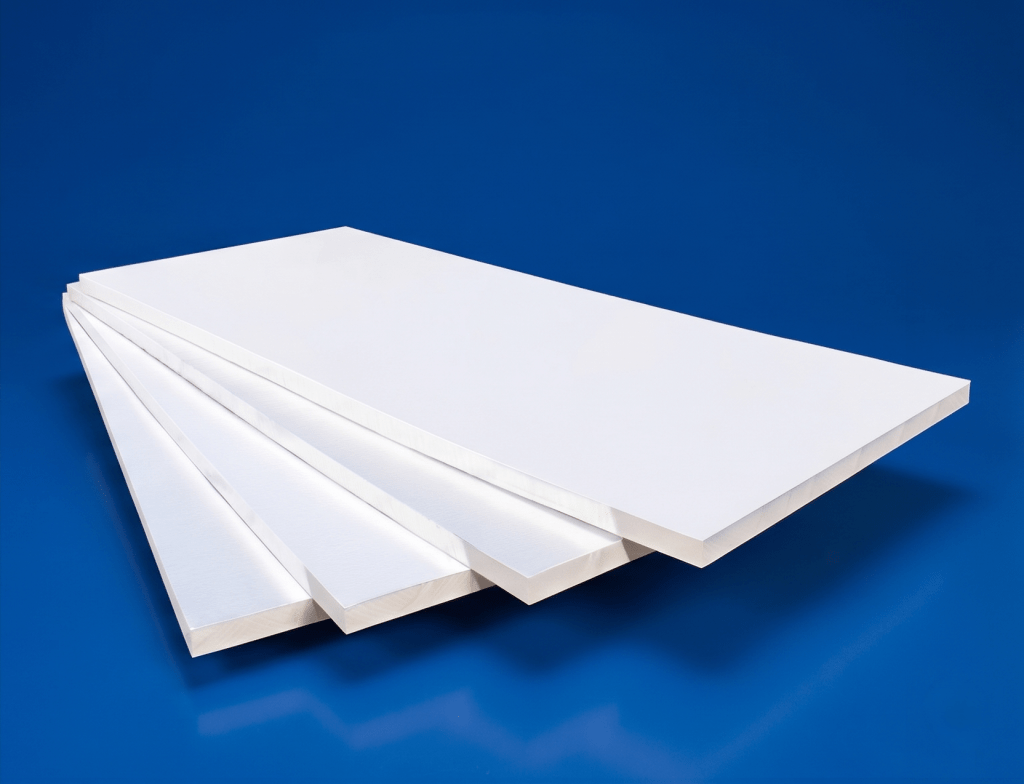
Polyisocyanurate Rigid Board Insulation
Best for: Pole barns that need higher thermal performance, a cleaner finished interior appearance, or insulation for exposed wall and ceiling applications. Why choose it: Polyisocyanurate rigid board insulation is a strong fit when performance and presentation both matter. CMI describes it as a rigid foam board often used in exposed applications where a flatter, more finished sheetrock-like look is preferred. It offers strong thermal performance, comes in different thicknesses, lengths, and facings, and includes white foil vapor barriers on both sides to help prevent moisture from moving into the wall system. It is also a good option when you want more insulation value without adding excessive thickness. Ideal applications: Workshops, finished pole barn interiors, offices, hobby spaces, conditioned storage areas, and projects where appearance and long-term energy efficiency are higher priorities.
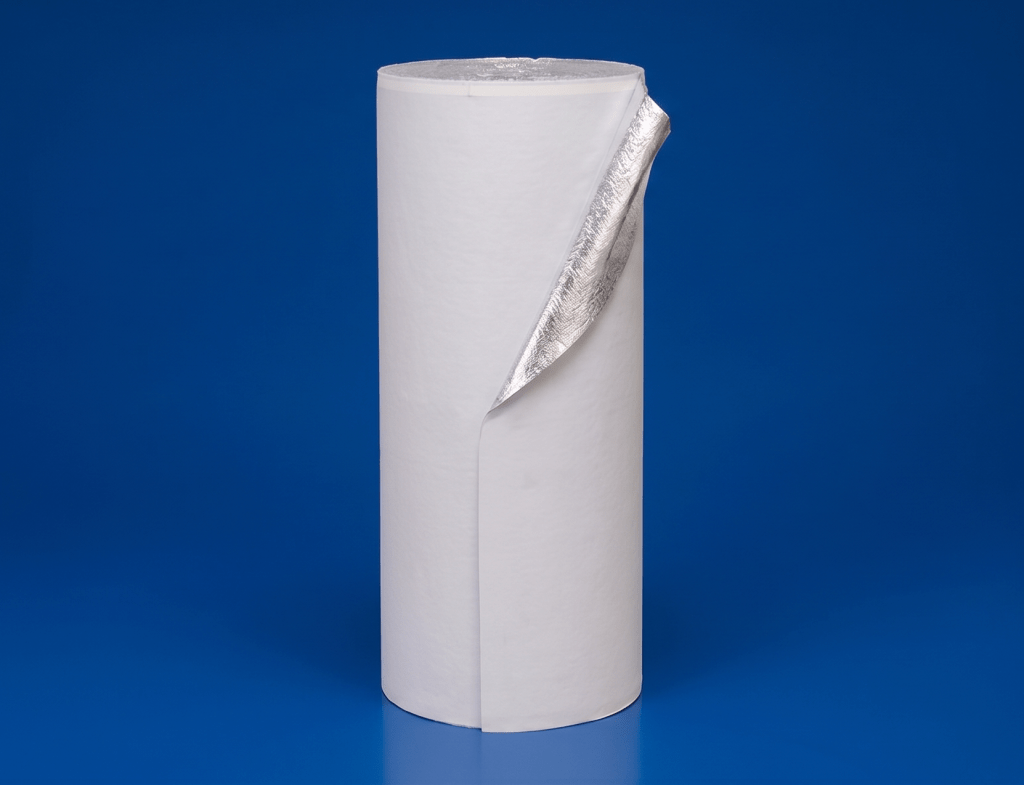
LOW-E Radiant Barrier Insulation
Best for: Pole barns in warmer climates, buildings with high sun exposure, or projects that need a lightweight reflective layer that can work on its own or alongside other insulation systems. Why choose it: LOW-E reflective insulation works differently than mass insulation because it reflects heat rather than absorbing it. CMI states that LOW-E can perform as insulation, a thermal break, and a vapor barrier, and that it is often used with traditional insulation when additional system performance is needed. It is lightweight, flexible, easy to install, and made with polyethylene foam laminated between aluminum facings. CMI also notes that it resists convection, conduction, and radiation while providing vapor barrier and sound-deadening properties. Ideal applications: Post-frame and pole barn buildings in hot or sunny conditions, roof and wall assemblies that need added reflective performance, retrofit upgrades, and projects where owners want a flexible insulation layer that pairs well with other materials.
POLE BARN INSULATION INSTALLATION
GET THE RIGHT SYSTEM AND THE RIGHT INSTALLATION APPROACH
Choosing the best insulation for a pole barn is only part of the decision. Performance also depends on how the system is installed. Whether the project calls for blanket insulation for pole barns, pole barn wall insulation, pole barn roof insulation, or foam board insulation for pole barn interiors, the goal is a tight fit, better moisture control, and long-term performance. CMI’s current pole barn offering highlights faced fiberglass blanket insulation, polyiso rigid board insulation, and LOW-E reflective insulation, while its installation guidance emphasizes proper fit, interior-facing vapor-facing placement, tight seams, and sealed tears.
Step 1: Choose the Right Insulation
Step 2: Fit It to the Structure
Step 3: Position the Facing Correctly
Step 4: Secure Seams and Tabs Tightly
Step 5: Reduce Condensation Risk
Step 6: Finish for Performance
INSULATION
- THICKNESS
- 2" THICK
- 3" THICK
- 4" THICK
- 5" THICK
- 6" THICK
- 8" THICK
- 9" THICK
- PRICE RANGE / S.F.
- BATT
- R-7
- R-11
- R-13
- R-16
- R-19
- R-25
- R-30
- $.60 - $1.40
- FOAM BOARD
- R-13
- R-20
- R-27
- R-33
- R-40
- R-54
- R-60
- $2.63 - $11.88
- INSULATED PANELS
- R-13
- R-20
- R-27
- R-33
- R-40
- NA
- NA
- $10.00 - $30.00
- SPRAY FOAM
- R-13
- R-20
- R-27
- R-33
- R-40
- NA
- NA
- $3.00 - $9.00
R-Value Guidance for Pole Barn Insulation
R-value measures resistance to heat flow, but it is only one part of choosing the right pole barn insulation. The amount of insulation your building needs can depend on climate, whether the space is heated or cooled, the intended use of the building, and how the roof and wall systems are assembled. That is why the best insulation choice is not always the highest listed R-value on paper. Proper installation, air control, and moisture management all affect real-world performance. CMI can help match insulation thickness and system choice to your building layout and goals.
Cost Calculator
Estimate How Much Pole Barn Insulation You Need
Use these quick formulas to estimate the insulation area for your pole barn. For a job-ready quote, send us your building dimensions and we’ll help you determine the right material and layout.
- Roof: (Width + 2’) × Frame Length × Price per Sq. Ft.
- Sides: Height × Frame Length × 2
- Ends: Height × Width × 2
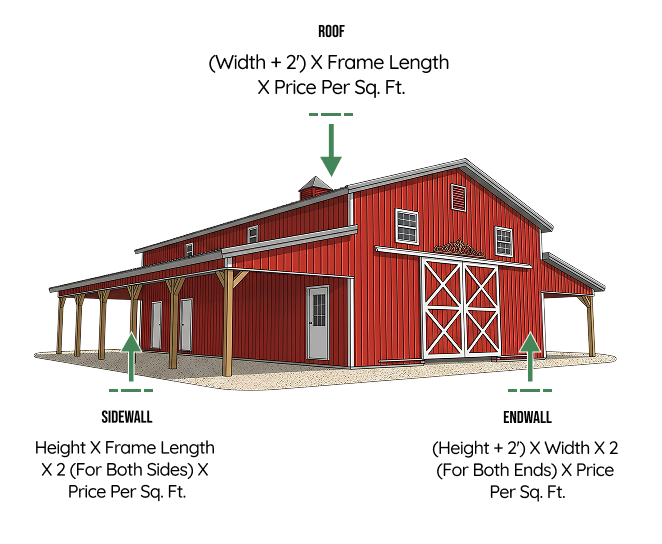
Roof
(Width + 2') x Frame Length x Price per Sq. Ft.
Add 2 feet to the width to cover the gables on a sloped roof, which increases the surface area compared to a flat roof.
Sides
Height x Frame Length x 2 (for both sides) x Price per Sq. Ft.
Multiply by 2 to account for insulating both sides of the building, ensuring full coverage and consistent protection.
END
(Height + 2') x Width x 2 (for both ends) x Price per Sq. Ft.
Add 2 feet to the height for extra coverage on the ends. Multiply by 2 because there are two ends to insulate.
WHY CMI INSULATION?
OUR INSULATION IS TRUSTED BY BUILDERS ACROSS THE US
CMI helps builders and owners choose insulation systems that fit the real-world demands of post-frame construction. Whether you are insulating a workshop, livestock building, equipment shed, or finished-use pole barn, we can help match the system to your structure, performance goals, and budget.
- Custom-cut insulation made to your building dimensions
- Durable facings designed for moisture control and job-site handling
- Less job-site cutting
- Cleaner, more organized installation
- Pole-barn-friendly options for walls and ceilings
- Help selecting the right system for your use case and budget
- Fast quote support from an insulation specialist
Manufactured to your exact building dimensions

Reinforced facings designed for metal structures

Stable R-value performance over time

Bulk and volume pricing

FREQUENTLY ASKED QUESTIONS
Does my pole barn really need insulation?
Yes. If you plan to work inside the building, store equipment, protect materials, or house animals, pole barn insulation can make the building more functional year-round. Proper insulation helps regulate interior conditions, reduce energy loss, and limit moisture issues that can shorten the life of the structure. For many buildings, adding the right pole barn wall insulation and pole barn roof insulation is one of the most practical ways to improve comfort and long-term performance. CMI’s current page states that insulation helps regulate the environment, improve building lifespan, and make the barn more functional.
Can I install fiberglass insulation myself?
In many cases, yes. CMI states that faced fiberglass blanket insulation is designed with easy installation in mind and that many barn owners choose to install it themselves with basic tools and prep work. That makes blanket insulation for pole barns and other insulation blankets for pole barns a practical option for owners who want a more affordable installation path. For the best result, the insulation should be fit properly, installed tight, and kept with the vapor-facing toward the building interior.
How do I choose between board and blanket insulation?
It depends on how the building will be used, how finished you want the interior to look, and what level of performance you need. CMI’s page says blanket insulation is ideal for simpler structures where budget is a top concern, while polyiso boards are better when you want higher thermal performance and a more finished appearance. In other words, blanket insulation for pole barns is often the practical choice for broad wall and roof coverage, while foam board insulation for pole barn interiors can be a better fit when appearance and exposed interior finish matter more.
What is the best insulation for a pole barn?
The best insulation for a pole barn depends on the building’s use, your budget, and whether you prioritize cost, finish, or thermal performance. CMI currently highlights three pole barn insulation options: faced fiberglass blanket insulation, polyisocyanurate rigid board insulation, and LOW-E reflective insulation. Blanket systems are often a strong fit for wide coverage and value, while rigid board can be a better option for exposed interior applications that need a flatter, more finished look.
Can pole barn insulation help with condensation?
Yes. One of the main reasons owners add insulation for pole barn walls and insulation for pole barn roof areas is to help control condensation. CMI explains that condensation forms when warm, moist air comes into contact with cooler surfaces, and that excess moisture can reduce insulation performance if it gets into the system. A properly installed insulation assembly with the correct facing orientation and sealed gaps can help reduce moisture problems inside the building.
Should I insulate the roof, the ceiling, or both?
That depends on how the pole barn is built and how the interior space will be used. If the goal is broad temperature and moisture control, many projects benefit from addressing both pole barn wall insulation and pole barn roof insulation as part of the same system. CMI’s installation guidance supports roof and wall applications, and the right approach will depend on whether the barn is open, enclosed, finished, or conditioned. For many owners, the best next step is to compare roof and wall priorities together rather than treating them as separate decisions.
Ready to Insulate Your Pole Barn?
Tell us about your building and pole barn goals, and we’ll help you identify the right insulation approach for your roof, walls, or both. We proudly supply insulation for steel and metal buildings to all states throughout the United States, including Arizona, California, Colorado, Idaho, Montana, Nevada, North Dakota, South Dakota, Utah, and Wyoming, among others. Please request a quote by clicking on the button below.


Insulation Systems
Products
Contact
- Toll Free: 888-889-8907
- Direct: 801-352-9800
- Fax: 801-433-9300
- 9390 South 300 West Sandy, UT 84070
