Geofoam – Road Construction
Road Construction: Embankments, Pavement Support, and Frost Protection
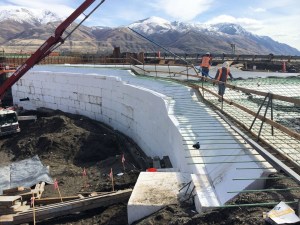
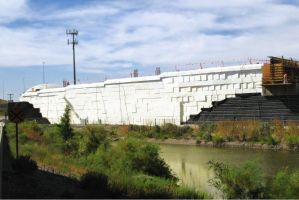
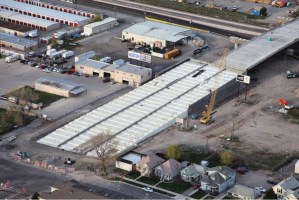
Road construction comes with its own set of challenges. We’re talking about things like soft soils, long installation times, and settlement issues. That’s where EPS Geofoam can help you. This lightweight, engineered fill material can help you to build stronger and longer-lasting roads without the hassle of gravel and extra dirt fillers. From highway embankments to bridge approaches, construction foam blocks are a smarter way to support your project.
How Is Geofoam Used in Road Construction?
EPS Geofoam is a go-to solution for engineers who are looking to reduce weight and speed up the construction process. It helps you to do this without sacrificing stability. Here’s how it’s commonly used in road projects:
- Bridge Abutments & Approaches
- Roadway Embankments Over Soft Soils
- Fill for Cut-and-Cover Tunnels
- Landslide Repair & Slope Stabilization
- Expedited Construction on Settling or Unstable Ground
So, instead of waiting on traditional fill materials that need to be compacted and cured, Geofoam can help you get things done quickly. It can be placed quickly and shaped to fit any design, which saves time and reduces your equipment needs.
Why Use Geofoam for Roads?
Geofoam has a few unique benefits that make it great for transportation and infrastructure projects:
- Reduces Load on Weak Soils: Since construction foam blocks are lightweight, they don’t settle, and this reduces the need for costly ground improvements.
- Speeds Up Installation: You don’t need to do compaction or curing with EPS geofoam. Simply place, shape, and cover it.
- Improves Long-Term Performance: It won’t shift, compress, or settle!
- Flexible Design: The foam blocks can be cut and stacked to accommodate road alignments, slopes, and curves.
- Minimizes Lateral Pressure: It’s very useful behind retaining walls and near sensitive structures.
EPS Geofoam is the preferred choice for municipalities and engineers looking to improve road performance and longevity.
Frequently Asked Questions About Geofoam in Road Projects
Can Geofoam support heavy traffic loads?
Yes, it can. Geofoam isn’t a surface layer. It works as a base layer or structural fill. So, once it’s topped with the right layers of aggregate, asphalt, or concrete, it can support typical highway and bridge loads. The key is proper engineering and load distribution.
What makes Geofoam better than traditional fill?
Traditional fills like dirt and gravel are heavy, time-consuming to place, and often means soil improvement. Geofoam is around 1% of the weight of soil and doesn’t need to be compacted. That means reduced settlement, faster construction, and less strain on surrounding structures.
Is Geofoam affected by weather conditions?
Geofoam is stable in a wide range of weather conditions. It doesn’t absorb much water, won’t degrade over time, and resists freeze-thaw cycles. You do need to protect it from UV exposure and certain chemicals (like gasoline and oils).
Can geofoam be used in emergency road repairs?
Yes! Geofoam is an excellent solution for fast-track repairs because it’s lightweight and easy to transport. This is especially true in areas where traditional fill would be too heavy or slow to use.
Make your next road construction project easier by using construction foam blocks from CMI Insulation.
We Proudly Service These Areas:
- United States: Utah, Colorado, Arizona, New Mexico, Texas, Nevada, California, Oregon, Washington, Idaho, Montana, Wyoming
Canada: British Columbia
Tell us about your project for a fast quote