
EPS geofoam, or expanded polystyrene geofoam, is a lightweight, rigid foam material made from expanded polystyrene. It’s used in construction and civil engineering applications as a lightweight fill, soil stabilizer, and thermal insulator. EPS Geofoam is experiencing growing popularity in the construction and engineering industry. Builders love it because it delivers high compression strength and can support heavy loads without the risk of deformation.
As you might imagine, longevity matters for infrastructure projects and insulation materials. EPS geofoam is made to last because unlike traditional soil or gravel backfill material, which are heavy and unpredictable, geofoam is lightweight and predictable. Let’s talk about Geofoam a bit more in-depth.
What is EPS Geofoam Made Of?
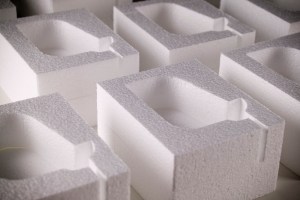
So, what is it actually made of? EPS geofoam is made of expanded polystyrene. Through a process called polymerization, polystyrene is created by applying heat and pressure within a mold. Depending on how much heat and pressure are added to the bead within the mold, different densities of Expanded Polystyrene or Geofoam can be produced. The material is engineered for durability.
How Long Does EPS Foam Last?
EPS (expanded polystyrene) geofoam, when installed and protected, can last for a very long time, with estimates ranging from 50 to 100 years or even potentially indefinitely, due to its resistance to moisture, environmental damage, and chemical degradation.
Does EPS Foam Absorb Water or Degrade Over Time?
The closed-cell structure of EPS geofoam inhibits moisture absorption. Since it is resistant to moisture, its performance won’t be diminished over its long lifespan. Is polystyrene waterproof? While polystyrene exhibits water resistance, it’s not entirely waterproof and can be damaged by prolonged water exposure or submersion.
EPS foam, while closed-cell, can absorb water, especially in the spaces between the foam beads, which can reduce its insulation properties and structural integrity over time. EPS has a higher water vapor permeance than XPS, meaning it allows moisture to escape more readily, which can be an advantage in some applications.
Factors That Affect the Longevity of Geofoam
So, what affects the longevity of Geofoam? The longevity of geofoam eps hinges on several factors, including:
- Protection from hydrocarbon chemicals
- UV radiation
- Proper installation and consideration of long-term creep under sustained loads.
In exposed applications with EPS geofoam use protective measures like petroleum-resistant geomembranes (PRGs) or a concrete cap in areas where accidental contact with petroleum is possible. Additionally, ensure that geofoam is covered or shielded from prolonged exposure to sunlight. And lastly, ensure that the vertical load acting on the geofoam does not exceed its compressive strength to avoid long-term creep deformation.
Real-World Use: Geofoam in Construction and Concrete Applications

EPS geofoam is used in various civil engineering applications like roads, bridges, retaining walls, and even as a component in eps styrofoam concrete, offering solutions for soil stabilization, load distribution, and insulation.
Geofoam is able to withstand decades of use. For more information, please visit the applicable case study here.
Is Geofoam a Long-Term Solution?
In closing, geofoam is made to last. It won’t rot or decompose over time. It is also engineered to perform in a predictable, dependable manner and is the perfect solution for many civil engineering and construction projects. However, it’s really important to source high-quality material from a trusted supplier and utilize expert installation techniques.
CMI Insulation is a trusted expert in geofoam solutions. Call us today at (801) 352-9800 to learn more.
