main logo

Does Spray Foam Void Metal Building Warranties? Why Traditional Insulation Is the Safer Long-Term Choice

The Insulation Decision That Impacts Your Warranty

When you’re choosing metal building insulation, it’s easy to focus on one number. The R-value. Higher sounds better, so the decision should be simple, right? It doesn’t necessarily have to be that way.

Here’s what actually happens. Your insulation choice affects far more than temperature control. It plays a direct role in how your building performs over time and whether key protections stay intact. The insulation system you choose can impact panel warranties, corrosion resistance, future serviceability and even long-term resale value. 

That’s where many building owners run into trouble. Not all insulation for metal buildings works with the way metal panel systems are engineered. And in many cases, spray foam can introduce risks in your metal building that aren’t obvious up front. Let’s take a closer look at why this is.

Why Spray Foam Raises Red Flags for Metal Building Manufacturers

To be clear, spray foam insulation isn’t inherently a bad product. It’s excellent for sealing irregular gaps and can deliver strong thermal performance. But metal buildings are different. This is a system compatibility issue, not a product quality issue.


1. Direct adhesion to panels

Spray foam adheres directly to the inside of metal panels, creating a permanent bond. While that might seem like added protection, it actually changes how the building system behaves. Metal panel systems are designed with airflow, drainage and access in mind. When foam is applied directly to the panel, air movement is restricted, moisture behavior changes and access to the panel is eliminated. Over time, these changes can create unintended consequences behind the surface where you can’t see them.

2. Moisture and corrosion risk

Moisture is the biggest long-term threat to any metal building. With spray foam insulation, if moisture finds its way behind the foam layer, it can become trapped against the metal surface. That’s when spray foam corrosion metal risks start to develop.

Instead of drying out naturally, moisture lingers. And because the foam hides the panel, corrosion can progress quietly for years before it’s detected. This is one of the most common “hidden costs”; damage that develops out of sight but leads to expensive repairs later.

3. Warranty language matters

This is where many owners start asking: does spray foam void warranty coverage? The answer depends on the manufacturer, but the risk is real. Many metal panel warranty insulation terms include exclusions for altering coated panel surfaces, bonding materials directly to panels and preventing inspection of the panel system.

Spray foam can check all three boxes. Manufacturers aren’t trying to make things difficult; they’re protecting themselves from conditions they can’t verify or control. If they can’t inspect the panel or if its performance has been altered, warranty claims may be denied.

The Serviceability Problem No One Talks About

One of the biggest differences between insulation systems doesn’t show up on Day 1. But it shows up years later. Traditional metal building insulation systems are designed to be serviceable. That means the building can be maintained without major disruption. With spray foam, that flexibility disappears.

What happens when you need to replace a roof panel?

Let’s say something goes wrong and eventually, something always does. You might be dealing with hail damage after a storm, a penetration error during equipment installation or corrosion that develops over time. 

With traditional insulation, the fix is straightforward. The affected panel is removed and replaced, and the system continues to perform as intended.

With a spray foam metal building, the process is very different. Because the foam bonds everything together, repairs often involve cutting into the insulation, breaking adhesion points and rebuilding sections of the system. What should be a simple fix turns into a disruptive and expensive project. This is where insulation stops being just a material and becomes a long-term liability or asset.


How Spray Foam Can Complicate Manufacturer Relationships

Metal building systems come with long-term expectations. Manufacturers stand behind:

  • Paint finish warranties that can last decades
  • Corrosion protection systems
  • Overall panel performance

When spray foam insulation changes the conditions those panels operate in, it creates uncertainty. If an issue arises, responsibility can become unclear. The manufacturer may point to altered conditions, while installers or contractors may see it differently. That leaves you, the building owner, in the middle.

Traditional metal building insulation avoids that problem by working within the system, not modifying it. It keeps everyone aligned from the start.
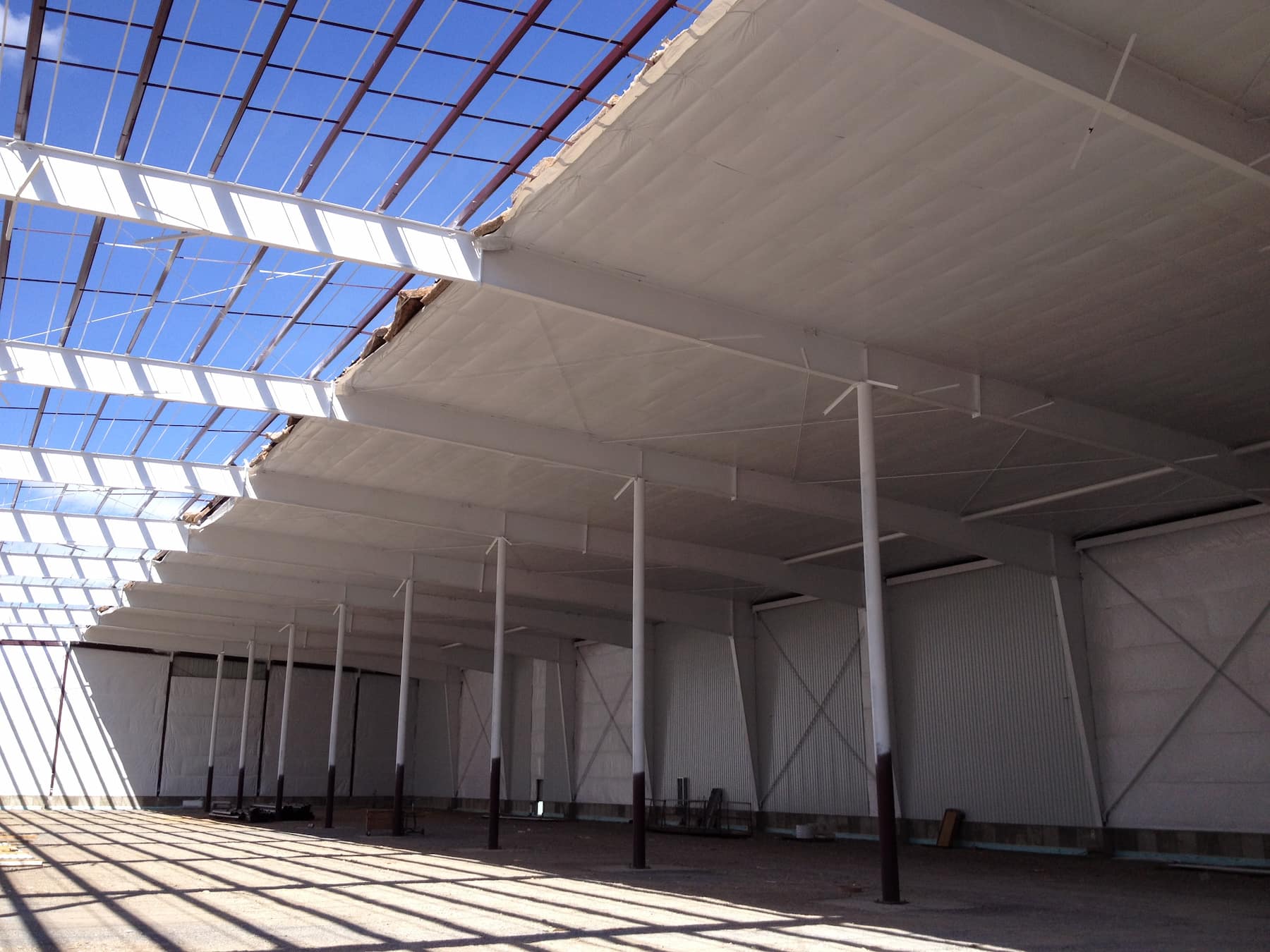


metal building insulation project


Why Traditional Metal Building Insulation Is the Safer Choice

If your goal is long-term performance and fewer surprises, traditional systems offer a more predictable path forward.

  • Designed for metal building systems

Traditional insulation for metal buildings is engineered specifically for steel structures. It works with components like purlins and girts, maintains proper vapor control and allows the building to breathe where needed. Instead of fighting the system, it supports it.

  • Preserves panel warranties

One of the biggest advantages is what it doesn’t do. Traditional systems don’t bond to the panel surface, which means coatings remain intact, panels stay accessible and the warranty conditions are preserved. There’s no guesswork and no need to interpret fine print later.

  • Maintains serviceability

Over time, every building needs maintenance. The question is how difficult and expensive that maintenance becomes. With traditional insulation, panels can be removed and replaced without damaging surrounding areas. The repairs are contained and predictable, and overall downtime is minimized. That’s a major advantage for operational buildings where disruption costs money.

  • Predictable long-term performance

A well-designed insulation system shouldn’t create uncertainty. Traditional metal building insulation avoids the hidden risks associated with foam, such as trapped moisture or unseen corrosion. What you see is what you get and what you can maintain over time. That predictability is what makes it a smart investment, not just a construction decision.

The Long-Term Cost Comparison (Not Just R-Value)

It’s easy to focus on installation costs. But insulation decisions should be evaluated over decades, not days.

Factor  Spray Foam Traditional Insulation
Initial Install Often simple Standardized
Warranty Risk Potential conflicts Typically aligned
Panel Replacement Difficult Straightforward
Long-Term Flexibility Low High
Manufacturer Alignment Variable Designed for it

At first glance, spray foam insulation can look like the easier option. But over time, limitations in serviceability and potential warranty conflicts can quietly increase your costs. A system that aligns with your building from the start is often the more reliable financial decision.

Questions Every Building Owner Should Ask Before Choosing Spray Foam

Before committing to a spray foam metal building approach, it’s worth slowing down and asking a few key questions:

  • Will this impact or limit my panel warranty?
  • Can I replace a panel without major demolition?
  • What happens if moisture gets behind the insulation?
  • Can the manufacturer confirm warranty coverage in writing?

These are technical but also financial questions. The answers will shape your long-term costs and risks.

Final Thoughts: Protect the System, Not Just the R-Value

Metal buildings are engineered systems and every component plays a role in how they perform over time. Insulation should support that system, not alter it.

The right metal building insulation does more than regulate temperature. It protects your panels, preserves your warranty and helps maintain the long-term value of your property. When you step back and look at the full picture, the decision becomes clearer. The best solution isn’t just the one that performs today. It’s the one that continues to perform, year after year, without creating new problems behind the scenes. If you’re planning for the long term, that’s the kind of investment worth making.

FAQs – Frequently Asked Questions 

Can you install spray foam in a metal building without affecting warranties?

In some cases, spray foam can be used without immediately voiding a warranty. But it depends entirely on the manufacturer’s terms. Many warranties include restrictions around bonding materials directly to panels or preventing inspection access. That’s why it’s critical to get written confirmation before installation. If there’s any uncertainty, choosing metal building insulation systems that are already aligned with manufacturer guidelines is the safer long-term approach.

What type of insulation do metal building manufacturers typically recommend?

Most manufacturers design their systems around traditional insulation for metal buildings, such as fiberglass systems with proper vapor barriers. These solutions maintain airflow, allow panel access and support long-term performance without altering the panel surface.
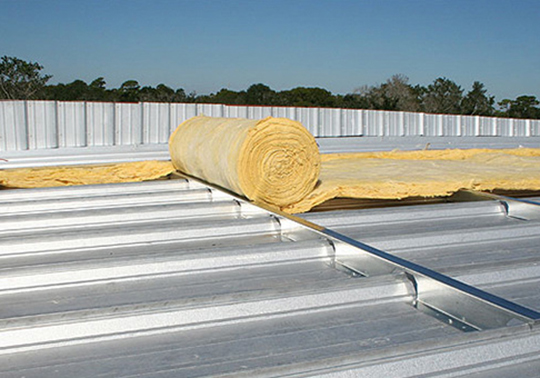
Why Your Insulation Keeps Sagging & How Retrofit Systems Permanently Fix It

Post Summary: Sagging insulation in metal buildings is usually caused by gravity, moisture absorption, and outdated installation methods, not just age. Once it shifts, gaps form that drive up energy costs and invite condensation. This post explains the root causes of insulation failure, the warning signs to watch for, and how modern retrofit insulation systems use mechanical supports and engineered fiberglass to permanently solve the problem without removing your exterior panels.

Have you ever walked into your building and noticed insulation drooping from the roof or walls? Maybe your energy bills keep rising, certain rooms feel colder than others or your HVAC system seems to run constantly. These are common frustrations for building owners, and they usually point to one underlying issue: insulation failure.

Sagging insulation isn’t just an aging problem. In most cases, it’s caused by a combination of gravity, moisture and poor installation methods that were never designed to last in demanding structures. Over time, these factors quietly reduce the effectiveness of your metal building insulation, leaving gaps where heat escapes and condensation forms.

The good news? It doesn’t have to be that way.

Modern retrofit systems can permanently solve sagging insulation problems in both homes and commercial structures. Whether you’re dealing with a house, warehouse, agricultural building or shop, the right insulation for metal buildings can restore comfort, reduce energy costs and protect your building from long-term damage.

metal building insulation project

10 Signs Your Building Needs Better Insulation

Insulation problems rarely appear overnight. Instead, they gradually worsen until the symptoms become impossible to ignore. If you’re experiencing any of the signs below, your current insulation system may have degraded, compressed or fallen out of position.

  1. Rising energy bills despite normal usage
  2. Uneven temperatures between rooms or building zones
  3. Cold floors and walls, especially in winter
  4. Persistent drafts near doors, ceilings or walls
  5. HVAC systems running constantly
  6. Condensation or dripping ceilings in metal buildings
  7. Ice dams forming on roofs during winter
  8. Musty odors or visible mold
  9. Pests nesting in attic insulation
  10. Visible sagging or fallen insulation panels

These problems are especially common when the insulation for steel building structures was installed decades ago using older methods that lacked adequate support systems. Left unresolved, failing insulation doesn’t just affect comfort. It quietly drains your budget through wasted energy and increased maintenance.

What Are the Problems with Retrofit Cavity Wall Insulation?

The main problems with retrofit cavity wall insulation occur when moisture enters the wall cavity through cracks, deteriorating mortar or wind-driven rain. Instead of improving energy efficiency, the insulation can trap moisture inside the wall, leading to condensation, internal dampness and mold growth.

This typically happens when retrofit insulation is installed without considering airflow and moisture movement inside the wall assembly. Older buildings especially require careful planning because they were not designed with modern airtight insulation systems in mind. When moisture becomes trapped, several issues may develop:

  • Damp interior walls
  • Mold growth inside insulation
  • Reduced thermal performance
  • Structural damage over time

That’s why retrofit insulation systems should always be installed with proper moisture management and ventilation in mind.

Why Traditional Insulation Keeps Sagging

Insulation materials rely on trapped air pockets to slow heat transfer. When the material compresses or becomes wet, those air pockets disappear and the insulation loses effectiveness. Over time, several forces cause insulation to sag or fall. The most common causes include:

  • Gravity: Insulation slowly pulls away from framing when it isn’t properly supported.
  • Moisture absorption: Water increases the weight of insulation and accelerates sagging.
  • Compression: Poor installation or structural movement can compress insulation and reduce its R-value.

Once insulation shifts out of position, gaps form that allow heat to escape and cold air to enter. This leads to thermal bridging and uneven temperatures throughout the building.

For insulation for metal buildings, this problem is even more significant because steel framing transfers heat very efficiently.

The Unique Challenges of Metal Buildings

Metal structures behave very differently from wood-framed buildings. Steel conducts heat rapidly, which means temperature changes occur much faster inside the building. Without proper insulation for metal building systems, this leads to several common problems:

  • Condensation forming on interior surfaces
  • Rapid heat gain in summer and heat loss in winter
  • Insulation sagging between large structural spans
  • Increased energy consumption

Traditional residential insulation often struggles in these environments because metal buildings have wider spaces between framing members like purlins and girts. Over time, unsupported insulation can drop or collapse.

This is where specialized retrofit metal building insulation becomes essential. These retrofit systems are designed specifically for steel structures and use mechanical support methods that prevent insulation from sagging or shifting.

When installed correctly, insulation for steel building projects can dramatically improve energy efficiency, reduce condensation and make the space far more comfortable.

How to Stop Insulation from Falling Down

Fixing sagging insulation requires more than simply repositioning it. The goal is to install a system that keeps insulation secure and maintains its full thickness for decades. Several proven retrofit solutions are commonly used.

  • Spray foam insulation

Spray foam adheres directly to surfaces, eliminating gaps where insulation can sag. It provides excellent air sealing and moisture resistance, although it typically requires professional installation.

  • Larger insulation sections

Using larger insulation sections reduces seams and weak points where insulation can separate or drop.

  • Mechanical support systems

Commercial buildings often rely on mechanical supports such as:

  • Steel banding systems
  • Insulation pins
  • Retention wires

These components anchor insulation to structural framing and prevent long-term sagging.

  • Fiberglass retrofit systems

Modern fiberglass retrofit systems are widely used in insulation steel building upgrades because they balance performance, cost and installation speed.

At CMI Insulation, retrofit systems are designed specifically for metal structures and can often be installed without removing exterior panels, minimizing disruption to daily operations. They also provide a bright, clean interior finish that improves the appearance of the space.

Can I Add New Insulation on Top of Old Insulation?

Yes, but only if the existing insulation is still in good condition. If insulation is wet, moldy or severely compressed, it should always be removed before adding new material. Installing new insulation over damaged materials can trap moisture and lead to structural problems. If the existing insulation is dry and intact, you can add additional layers such as:

  • New batt insulation

Adding layers increases the overall R-value and improves thermal performance.

How Much Does It Cost to Retrofit Insulation?

The cost of retrofit insulation varies depending on the building size, insulation material and installation complexity. Below is a general estimate for a typical 2,000-square-foot building.

Insulation Type Estimated Cost Range
Fiberglass $3,000 – $8,000
Spray Foam $5,000 – $10,000+

Typical retrofit costs by area include:

  • Wall insulation: $4,000 – $8,000

Most retrofit insulation projects fall between $1.50 and $4.50 per square foot installed, depending on materials and labor complexity. For many commercial buildings, properly designed metal building insulation systems provide the best balance between upfront cost and long-term energy savings.


Protecting Your Building and Energy Costs

Sagging insulation is more than just a cosmetic issue. It’s a sign that your building is losing energy, allowing moisture to accumulate and potentially shortening the lifespan of structural components. Upgrading your insulation with modern retrofit systems can dramatically improve your indoor comfort, energy efficiency, moisture control and the long-term building durability.

With the right insulation for metal buildings, you’re not just fixing temperature problems. You’re protecting your building and making a smart long-term investment.

If your insulation is sagging or underperforming, a professional assessment can help determine the best solution for your home or metal structure.


The Best Insulation System for Metal Buildings with Existing Occupants (for Minimal Disruption)

Post Summary: You don’t have to shut down operations or strip exterior panels to upgrade your metal building’s insulation. This post covers how retrofit insulation systems, specifically banding-supported fiberglass blankets, can be installed from the inside while your building stays fully occupied. You’ll learn what makes retrofitting different from new construction, which systems minimize disruption, and how to solve heat loss and condensation without interrupting your day-to-day business.

Does your metal building feel like an oven in summer and an icebox in winter? Or worse, are you dealing with condensation dripping from the roof onto equipment and inventory? If so, your building isn’t failing; your insulation strategy is.

Metal structures are incredibly efficient at one thing: transferring heat. Without proper metal building insulation, your facility is quietly losing energy, developing moisture problems and creating an uncomfortable environment for occupants.

Upgrading the insulation for metal buildings is absolutely possible even when your building is fully operational. You don’t have to shut down production or remove exterior panels to fix efficiency and condensation issues.

metal building insulation project


How Do You Insulate a Metal Building That Is Already Built?

To insulate an existing metal building, installers typically use a banding system to support fiberglass blanket insulation below the purlins or apply spray foam directly to interior metal surfaces. Retrofit methods differ from new construction and require evaluating access to framing members like purlins and girts.

Retrofit Reality: Why Existing Buildings Require a Different Approach

New construction is straightforward: Insulation goes in before panels are installed. Retrofitting insulation for steel buildings is different, especially when people, equipment and operations are already inside. Common retrofit challenges include:

  • Limited access to roof purlins
  • Active business operations
  • Sensitive equipment below
  • Safety and cleanliness requirements
  • Need to avoid removing exterior panels

This is where specialized PEMB insulation retrofit systems provide a major advantage. At CMI, the focus is on solutions that work with your building, not against your operations.


Why Insulation Is Non-Negotiable for Steel Structures

If your steel building lacks proper insulation performance, three costly problems are already happening.

  • Thermal Bridging

Steel is a powerful thermal conductor. Without proper insulation for your metal building, heat flows rapidly through the structure. What this means for you:

  • Higher heating and cooling costs
  • Overworked HVAC systems
  • Temperature swings inside the building
  • Reduced occupant comfort

High-quality metal building ceiling insulation adds thermal resistance (R-value), slowing heat transfer and stabilizing interior conditions.

  • Condensation Control

When warm, moist air contacts cold steel, water forms. It’s basic physics, but expensive when ignored. This “sweating” leads to:

  • Rust and corrosion
  • Wet insulation
  • Mold risk
  • Damaged inventory

Proper insulation for metal buildings, paired with a continuous vapor retarder, keeps interior surfaces above the dew point and stops moisture before it starts. Warm air always moves toward cooler surfaces. Without a vapor barrier, moisture travels with it. This vapor drive is why insulation alone is not enough.

  • Sound Attenuation

Uninsulated metal buildings amplify noise from:

  • Rain and hail
  • Machinery
  • Interior echo

Quality metal barn insulation and roof systems absorb sound energy, creating a noticeably quieter workspace, something many owners don’t realize until after upgrading.


Comparing Top Metal Building Insulation Systems

Not all metal building insulation systems perform the same, especially in retrofit situations. The best choice depends heavily on whether your building is occupied. 

Fiberglass Blanket Systems (CMI’s Primary Solution)

Fiberglass remains the industry workhorse for commercial insulation for metal buildings and for good reason. When installed with a banding system, it delivers strong performance with minimal disruption. Why fiberglass works well in occupied buildings:

  • Installs from the interior
  • No exterior panel removal
  • Clean installation process
  • Cost-effective coverage
  • Integrated vapor retarder options
  • Bright, clean, professional interior finish

Facing durability matters. Reinforced facings outperform basic vinyl in high-traffic facilities and maintain the bright interior appearance CMI systems are known for. For most retrofit scenarios, fiberglass provides the best balance of performance, cost and minimal downtime.

Spray Foam (Open vs. Closed Cell)

As honest experts, we’ll say it clearly: spray foam has strengths. It excels at:

  • Air sealing irregular gaps
  • High R-value per inch
  • Adding rigidity (closed cell)

However, for occupied facilities, spray foam introduces a challenge. It requires vacating work areas, it produces installation fumes, and there is permanent adhesion to panels. Apart from that, you will have to face higher material and labor cost as well as potential warranty concerns with some metal panels. 

While spray foam can be effective in certain targeted areas, many building owners find that fiberglass-based, high-quality metal building insulation systems deliver comparable energy performance with far less disruption.

Rigid Board Insulation

Rigid foam boards provide high R-value per inch and are sometimes used in custom assemblies. They are known to have high thermal and moisture resistance and usually leave a clean appearance. 

However, the labor to install them in large buildings is intensive, they are difficult to retrofit and therefore you will face higher installation costs. They are typically used as supplemental insulation rather than the primary insulation for metal shop solutions.

Radiant Barrier Systems

Radiant barriers primarily reflect heat rather than resist conductive heat flow. They work best in hot climates but offer limited standalone R-value. Most effective when:

  • Installed with an air gap
  • Combined with fiberglass
  • Used in unconditioned spaces

On their own, they rarely meet full performance needs for modern metal insulation requirements.

Insulated Metal Panels (IMPs)

IMPs are premium wall and roof systems with factory-installed insulation. They deliver excellent performance but typically require:

  • Major building modification
  • Panel replacement
  • Significant downtime

For existing occupied buildings, they are rarely the practical first choice.

Selecting the Right System for Existing Occupants

When your building is in use, installation logistics matter as much as R-value. 

System Installation Cost Disruption Retrofit Friendly Typical Use
Fiberglass banding Low – medium Low Excellent Most buildings
Spray foam High High Limited Air sealing areas
Rigid board Medium–High Medium Moderate Custom walls
Radiant barrier Low Low Good Hot climates
IMPs Very high Very high Poor New builds

For buildings with an exposed roof deck, the most effective solution is typically a banded fiberglass retrofit because it can be installed from below without removing roof panels. This allows operations to continue with minimal disruption while still delivering a clean, professional interior finish. 

In areas where framing is difficult to access or highly irregular, spray foam may be appropriate, particularly when air sealing is the primary objective and the space can be temporarily vacated during installation. However, owners should carefully weigh the higher cost and potential disruption. 

In facilities that already include or plan to add drop ceilings, another practical option is installing loose-fill insulation above the ceiling grid, which can work especially well in conditioned office zones within metal structures.


Climate Zone Considerations: What R-Value Do You Need?

Insulation requirements for metal buildings vary significantly based on both climate and how the building is used, so a one-size-fits-all approach rarely delivers the best results. 

In hot and humid regions, the primary focus should be on effective vapor control, reducing radiant heat gain and selecting balanced R-values that limit heat transfer without trapping unwanted moisture. In these climates, typical performance targets are around R-19 to R-25 in the roof and R-10 to R-16 in the walls. 

In colder climates, the priority shifts toward retaining interior heat and preventing energy loss through the building envelope. This usually calls for higher thermal resistance, often R-30 or greater in the roof and R-19 or higher in the walls, along with a properly detailed vapor retarder to control moisture movement. 

Mixed climates fall somewhere in between, where balanced insulation assemblies tend to perform best throughout the year. In all cases, properly designed insulation for metal buildings should be carefully matched to the specific climate zone and the building’s occupancy conditions to ensure long-term efficiency and moisture control.


Upgrade Without Shutting Down

The right metal building insulation approach can transform your space without disrupting operations. With properly designed retrofit systems, you can:

  • Stop condensation
  • Lower energy costs
  • Brighten interior spaces
  • Protect your structure
  • Improve year-round comfort

At CMI, we specialize in retrofit-friendly solutions built specifically for metal structures, delivering the bright, clean and professional finish owners expect with minimal disruption.


FAQs – Frequently Asked Questions

What is the cheapest way to insulate a metal building?
Fiberglass blanket insulation is typically the most cost-effective solution for large metal structures while still delivering solid thermal performance.

Can you spray foam over existing insulation?
Generally no. Existing insulation usually needs to be removed to ensure proper adhesion and moisture control.

Does a metal building need a vapor barrier?
In most cases, yes. A vapor retarder is critical to prevent condensation, rust and long-term moisture damage in steel buildings.

The Best Vapor Barrier Setup to Prevent Condensation in Metal Buildings

Post Summary: Condensation in metal buildings isn’t just a nuisance; it’s a sign that heat transfer and vapor movement aren’t being managed together. This post breaks down why insulation alone won’t stop condensation, how vapor barriers work alongside your metal building insulation to keep moisture on the warm side of the assembly, and the specific setup (barrier class, seam sealing, ventilation) that prevents the “indoor rain” problem so many steel building owners deal with.

Condensation in a steel structure can feel like a nightmare. One moment your building is functioning as intended, and the next it’s “raining” inside. Water dripping from the roof, moist air settling on equipment and a constant battle with corrosion and humidity. This isn’t just annoying, it’s a threat to your building’s efficiency, comfort and long-term integrity.

Metal buildings are excellent thermal conductors, which means they transfer heat and cold rapidly. When warm interior air meets cold steel surfaces, moisture forms at the dew point and collects where it can do the most damage. The solution isn’t just insulation; it’s a coordinated approach using the right metal building insulation, a properly installed metal building insulation vapor barrier and an installation strategy that works as a complete system.


How to Avoid Condensation in a Metal Building

To prevent condensation in a metal building, combine proper ventilation with a continuous metal building insulation vapor barrier that stops warm, moist interior air from touching cold steel surfaces. Alongside this, use insulation sized for your climate, seal all seams carefully and allow controlled air movement with ridge vents, louvers or fans.


Why Metal Buildings Sweat (and Why Simple Insulation Isn’t Enough)

In a metal building, condensation isn’t just “moisture.” It’s a symptom of heat transfer and vapor movement:

  • Thermal Bridging: Steel transfers heat fast, letting interior warmth seep out and exterior cold creep in unless insulated effectively.
  • Dew Point: When warm, moisture-laden interior air contacts cold metal, it releases water, the condensation you see.
  • Vapor Movement: Warm air naturally migrates towards cooler zones, carrying moisture with it,  unless stopped by a vapor retarder.

This is why effective metal building insulation must work together with a vapor barrier. Insulation slows heat transfer, while the vapor barrier keeps moisture on the warm side of the assembly, preventing condensation from forming in the first place.

metal building insulation project


What Is a Vapor Barrier? (and Why You Need It)

A vapor barrier, technically called a vapor retarder, is a material designed to slow the passage of water vapor. In cold seasons, the barrier keeps warmer interior air from reaching cold metal surfaces. In hot and humid climates, it prevents outside moisture from penetrating inward. Here’s a quick breakdown of vapor permeance classes:


Vapor Retarder Class Typical Perm Rating When It’s Used
Class I ≤ 0.1 perms Severe moisture control (cold climates & conditioned spaces)
Class II 0.1 – 1.0 perms General use in many metal buildings with moderate humidity
Class III 1.0 – 10 perms Less stringent moisture control


For most steel structures with regular occupancy, a Class I or low-perm vapor barrier paired with insulation for steel buildings dramatically reduces condensation risk. 


What Makes a High-Quality Metal Building Insulation System?

Not all steel building insulation types perform the same, even if they share similar R-values. In steel structures, insulation must manage heat and moisture while holding up to temperature swings over time. A high-quality metal building insulation system balances four critical factors:

  1. Thermal performance (R-value) to reduce heat transfer through roofs and walls
  2. Moisture control through a durable vapor retarder that limits condensation
  3. Ease of installation, especially in large-span steel buildings
  4. Long-term durability so performance doesn’t degrade after a few seasons

At CMI, insulation for steel buildings uses fiberglass with reinforced vapor barrier facings to reduce heat transfer, limit moisture movement and prevent condensation. These systems also improve acoustics, enhance interior brightness and are safe, durable and installer-friendly. 

Key Benefits of Metal Building Insulation

When installed correctly, metal building insulation delivers multiple benefits at once:

  • Thermal protection: Slows heat transfer through the roof and walls
  • Condensation control: Helps keep steel surfaces above the dew point
  • Noise reduction: Minimizes echo and sound transmission
  • Improved lighting: Reflective facings brighten interior spaces


Comparing Common Insulation Types for Metal Buildings

There are several ways to approach insulation for metal buildings, but each option performs best in specific situations. Understanding the differences helps avoid over- or under-insulating your space.

Faced Fiberglass Blanket Insulation

Faced fiberglass is the most widely used and practical solution for metal buildings. It installs easily between roof purlins and wall girts, provides consistent coverage and is available in a wide range of R-values. Key characteristics include:

  • Standard R-values from R-7 to R-30
  • Integrated vapor barrier facings for moisture control
  • Clean, uniform interior appearance

This system works well for workshops, warehouses, barns and most commercial metal buildings where performance, cost and ease of installation all matter.

Spray Foam Insulation

Closed-cell spray foam provides excellent air sealing and moisture resistance. It performs well in fully conditioned spaces or in areas with complex framing where air leaks are difficult to control.

However, spray foam typically involves higher costs, specialized crews and more installation disruption. For many large buildings and retrofit projects, fiberglass systems offer a more practical balance of performance and value.

Keep in mind: Before choosing spray foam, it’s important to review your metal building manufacturer’s exterior panel warranty. Some manufacturers void or limit sheeting warranties if spray foam is applied directly to the metal panels. Because spray foam adheres permanently to the steel, it can affect panel movement, make inspections more difficult and complicate future repairs. Always confirm warranty requirements before selecting an insulation method. 

Radiant Barrier / Reflective Foil

Radiant barriers primarily reflect heat rather than resist it. When sealed properly, they can also function as vapor barriers. These systems are lightweight and commonly used in hot climates or agricultural buildings.

On their own, radiant barriers offer limited thermal resistance and are often paired with fiberglass insulation for better overall performance.

Rigid Foam Board

Rigid foam boards provide high R-value per inch and are useful in certain custom assemblies. They are most often used in combination with other insulation types, as installation can be labor-intensive in large metal structures.


The Best Insulation and Vapor Barrier Setup by Scenario

Every metal building behaves differently depending on climate and usage, so insulation strategies should be matched to real conditions.

  • Unconditioned buildings need insulation mainly to prevent condensation, usually with faced fiberglass, a vapor barrier and basic ventilation.
  • Semi-conditioned spaces like workshops work best with R-10 to R-19 fiberglass insulation and properly sealed seams, especially in the roof.
  • Fully conditioned spaces require higher R-values and stronger vapor control, often using fiberglass with spray foam in problem areas.

In all cases, the goal is the same: prevent warm, moist air from contacting cold metal surfaces where condensation can form.

Installation Matters: Sealing Every Surface

Most condensation issues trace back to gaps, unsealed seams or overlooked perimeter details. Key installation priorities include: 

  • Using proper vapor-seal tape on all seams (not standard duct tape)
  • Minimizing thermal bridging at steel purlins and framing
  • Sealing edges at floors, eaves and corners

CMI’s insulation systems are designed with easy-to-use facing tabs that don’t require stapling, helping installers create a continuous vapor barrier with a clean, professional finish.

Retrofit Solutions: Upgrading an Existing Building

If your metal building wasn’t insulated originally, retrofitting is still a practical solution. CMI’s retrofit insulation systems install between purlins without removing panels. Benefits of retrofitting include:

  • Lower energy costs
  • Improved comfort and usability
  • Better interior appearance
  • Increased property value


Bringing It All Together for Long-Term Protection

Condensation isn’t just moisture; it’s a warning sign that your building envelope isn’t working as a system. By combining high-quality metal building insulation, a continuous metal building insulation vapor barrier and careful installation, you can stop condensation at the source. The right setup protects your structure, lowers operating costs and turns your metal building into a more durable, usable and valuable space.


FAQs – Frequently Asked Questions

How to avoid condensation in a metal building?
Prevent condensation by combining insulation, a continuous vapor barrier and controlled ventilation. This keeps warm, moist air from contacting cold steel surfaces where condensation forms.

Will a vapor barrier stop condensation?
Yes, when installed correctly. A vapor barrier slows moisture movement, preventing warm interior air from reaching cold metal and condensing.

Do you need a vapor barrier when insulating a metal building?
In most cases, yes. Whether it’s required depends on climate, building use and insulation type, but vapor barriers are critical for preventing rust, mold and moisture damage in steel buildings.

Metal Building Insulation Thickness Guide: R-10 vs. R-19 vs. R-30 – What’s Best for Your Climate?

Post Summary: Choosing the right insulation thickness for a metal building comes down to your climate zone, how the building is used, and what you’re actually trying to achieve, not just picking the highest R-value available. This guide compares R-10, R-19, and R-30 insulation in real-world metal building applications, explains where each makes the most sense, and helps you avoid overspending or under-insulating your metal building based on your specific situation.

Does your metal building feel like it can’t decide whether it’s a freezer or a furnace? That’s one of the most common frustrations we hear from building owners, and it’s usually not the structure itself that’s the problem. It’s the insulation. More specifically, it’s choosing the wrong insulation thickness for the climate, the building’s use or the long-term plan for the space.

This insulation thickness guide is designed to give you clear, practical answers. We’ll walk you through how R-10, R-19 and R-30 insulation actually perform in real metal buildings. At CMI Insulation, we work exclusively with metal building insulation systems, so everything below is based on what works in the field, not just in theory.

metal building insulation project

Choosing Insulation for Metal Buildings Without Overthinking It

Choosing insulation for metal buildings can feel overwhelming because steel behaves very differently from wood. Steel transfers heat quickly, which means temperature changes happen fast and condensation can form just as easily. Without the right insulation thickness, these issues quietly lead to higher energy bills, moisture damage and uncomfortable working conditions.

The goal is to install the right thickness for how your building is actually used and where it’s located. When insulation is properly matched to those factors, it becomes a smart investment rather than an unnecessary expense.

Is a Higher R-Value Always Better?

Short answer: no. While a higher R-value improves thermal resistance, it doesn’t automatically mean a better value. The performance of insulation for metal building projects depends on climate, usage and installation quality. Beyond a certain point, increasing R-value delivers smaller gains that may not justify the added cost.

That’s why understanding what each R-value realistically delivers is far more important than simply choosing the highest number.

What R-Value Means in a Steel Building

R-value measures how well insulation resists heat flow. In insulation for steel buildings, this matters more than many owners expect. Steel panels and framing members conduct heat efficiently, creating what’s known as thermal bridging. This allows heat to bypass insulation and move directly through the structure. Proper insulation helps solve multiple problems at once, including:

  • Reducing heat transfer through steel framing
  • Preventing condensation that leads to rust and corrosion
  • Lowering heating and cooling costs
  • Improving interior comfort and noise control

Because moisture control is so important, effective insulation systems almost always include a vapor retarder to protect both the insulation and the structure itself.

R-10 vs. R-19 vs. R-30: Understanding the Real Differences

R-10 Insulation: Basic Protection for Mild Climates

R-10 insulation is typically around three inches thick and is commonly used in buildings that are unconditioned or only lightly heated. It’s often installed using metal building insulation rolls, making it an affordable option for basic moisture and temperature control. R-10 is best suited for:

  • Storage buildings and sheds
  • Equipment shelters
  • Unconditioned garages in mild climates

While it helps control condensation, R-10 offers limited thermal protection and is usually not sufficient for spaces where people work regularly or where temperature consistency matters.

R-19 Insulation: The Most Versatile Choice

R-19 insulation increases thickness to roughly six inches and represents the most common choice for metal building insulation. It delivers a noticeable improvement in comfort without significantly increasing installation complexity or cost. R-19 works well for:

  • Workshops and metal shops
  • Warehouses and light commercial spaces
  • Metal barn insulation for livestock and equipment
  • Agricultural and mixed-use buildings

This thickness is widely available as metal building batt insulation, making it compatible with framed walls and roof systems. For many owners, R-19 offers the best balance between upfront cost and long-term energy savings.

R-30 Insulation: Maximum Efficiency for Demanding Conditions

R-30 insulation is typically nine inches thick and is designed for buildings where comfort and efficiency are critical. It’s most often used in colder climates or in buildings that function as offices or living spaces. R-30 is ideal when:

  • The building is located in a cold climate
  • Interior temperatures need to remain consistent year-round
  • Energy efficiency is a top priority
  • Long-term operating costs matter more than upfront savings

Although R-30 requires a higher initial investment, it often pays off over time through reduced heating and cooling expenses.

Climate and Building Use: Two Factors You Can’t Ignore

Climate plays a major role in insulation performance, but building use is just as important. A storage building doesn’t need the same insulation as a workspace or office. When choosing insulation solutions, both factors must be considered together. Here’s a simple way to think about it:

  • Mild climates with basic storage needs often perform well with R-10
  • Moderate climates or active workspaces benefit from R-19
  • Cold climates or conditioned spaces usually justify R-3

Matching insulation thickness to both climate and usage helps avoid overspending while still solving the real problems metal buildings face.

Budget, ROI and Long-Term Performance

It’s natural to focus on upfront cost, but insulation should be viewed as a long-term investment. Thicker insulation reduces energy consumption, protects the structure from moisture damage and lowers HVAC strain over time. For owners planning to keep their building for many years, higher R-values often deliver better overall value.

CMI’s fiberglass systems are designed specifically for steel building insulation types and retrofit projects. Our approach minimizes disruption, avoids exterior panel removal and delivers a bright, clean interior finish that improves both usability and appearance. This makes upgrading insulation a manageable process rather than a major operational headache.

Common Insulation Options for Metal Buildings

Several insulation materials are used in metal buildings, each with its own strengths:

  • Fiberglass systems remain the most practical choice of building insulation for many projects.
  • Spray foam offers excellent air sealing, but it typically involves higher costs and more disruption.
  • Rigid foam boards provide high R-value per inch and are often used alongside other systems rather than alone.

For most owners, fiberglass-based insulation provides the best balance of performance, affordability and ease of installation in metal buildings. 

Choosing the Right Insulation Thickness

The right insulation thickness depends on your climate, how you use your building and how long you plan to own it. R-10 works for basic needs, R-19 is the dependable all-around solution and R-30 delivers maximum comfort and efficiency when conditions demand it.

With the right insulation for your metal building, you’re not just improving comfort, you’re protecting your structure, reducing operating costs and increasing long-term value. At CMI Insulation, we help metal building owners turn inefficient spaces into durable, efficient and professional environments.

Frequently Asked Questions

Is R-19 insulation better than R-30?

No. R-19 is often more cost-effective for moderate climates, while R-30 performs better in cold climates or fully conditioned spaces. The better choice depends on climate and building use.

What type of insulation is best for a metal building?

Fiberglass insulation is the most practical option for most metal buildings because it balances cost, performance, moisture control and ease of installation.

Is an R-value of 19 good?

Yes. R-19 provides solid thermal performance for many workshops, barns, warehouses and commercial metal buildings.

Is a higher R-value always better?

Not always. Higher R-values improve insulation performance, but the added cost isn’t always justified if climate, building use or installation quality don’t require it.

The Best Retrofit Insulation Approach for Aging Warehouses Built Before 2008

Post Summary: Warehouses built before 2008 were often constructed under outdated energy codes with minimal insulation, thin vapor barriers, and no continuous air sealing, making them some of the biggest energy wasters in commercial real estate. This post explains why pre-2008 buildings are ideal candidates for retrofit insulation, walks through the risks and benefits, and outlines a clear step-by-step process for upgrading your warehouse metal building insulation without a full teardown.

Was your warehouse built before 2008? 

It’s probably losing more energy than you realize. Older buildings often have thin insulation, gaps in walls or roofs, and metal surfaces that let heat escape in winter and build up in summer. These warehouses are like hidden giants of energy waste, but with the right retrofit, that waste can be turned into big savings.

Updating your building with modern warehouse insulation systems can cut energy costs, make the space more comfortable for employees and even protect the structure itself. In this guide, we’ll walk you through why pre-2008 warehouses are perfect for retrofits, the main risks and benefits to consider, top insulation materials, including CMI’s solutions, and a clear, step-by-step process to get the job done. 


Why Pre-2008 Warehouses Are Perfect Candidates for Retrofit Insulation

Warehouses built before 2008 often have hidden energy problems that go unnoticed until the bills arrive. Back then, energy codes didn’t require high R-values or continuous air barriers, so many buildings were constructed with minimal insulation. Steel-frame walls and metal roofs, common in older warehouses, can create thermal bridges, places where heat slips in or out, making it harder to keep the space comfortable.

These older warehouses can lose a lot of energy through under insulated roofs and walls, which adds up fast over the course of a year. That’s a lot of wasted energy that can be recovered with the right approach. Retrofit insulation systems designed for commercial warehouses can seal gaps, block thermal bridges and add the R-value that was missing in the original construction.

By upgrading insulation, energy costs drop, indoor temperatures become more consistent and the building’s lifespan can be extended. For warehouse owners, these retrofits are a smart investment that protects the property and pays for itself over time. 


The Upside: Benefits of Retrofitting Your Warehouse

Retrofitting insulation in an older warehouse can make a bigger difference than most building owners realize. One of the biggest wins is cutting energy costs. Warehouse retrofit insulation systems add the missing R-value and create a tighter building envelope. This means HVAC systems don’t have to work as hard to heat or cool the space, which can translate into noticeable savings on monthly energy bills.

Comfort inside the warehouse also improves. As we mentioned, gaps, drafts and hot or cold spots are common in pre-2008 buildings, making some areas uncomfortable for employees or sensitive equipment. Adding retrofit insulation eliminates these issues, keeps temperatures consistent and reduces condensation that can lead to mold or corrosion. A more stable environment not only helps workers stay productive but also protects stored materials from temperature swings.

Retrofitting insulation can also increase property value and extend the life of the building. Energy-efficient warehouses are more attractive to tenants, buyers and investors. At the same time, properly installed insulation protects metal walls, roofs and structural components from moisture and temperature extremes, helping the building last longer.


Best Insulation Materials for Warehouse Retrofits

Choosing the right insulation can make a huge difference when upgrading an older warehouse. Different materials work best in different parts of the building, and modern warehouse insulation systems, like those from CMI.

For older metal buildings, CMI’s blanket Retrofit Insulation System is an ideal solution. It installs easily between the purlins using a simple clip-and-wire setup, so a single installer can complete the job without a large crew. The laminated fiberglass insulation includes premium facings that improve energy efficiency, prevent condensation, and create a clean, professional interior finish.

Other insulation types can also play a role in certain areas:

  • Spray Polyurethane Foam (SPF): Great for sealing gaps and adding high R-value in metal walls or roofs, but often requires professional installation.
  • Rigid Foam Board (EPS, XPS, Polyiso): Ideal for continuous exterior insulation or foundation walls, offering strong compressive strength for structural support.
  • Blown-In Fiberglass: Works well for enclosed cavities over office spaces or mezzanines, but is less common for large warehouse envelopes.

While these materials have their uses, CMI’s Retrofit Insulation System is designed specifically for metal warehouses, combining fast installation, professional results, and energy-saving performance in one solution. It addresses the main challenges of pre-2008 warehouses while improving comfort, lowering energy bills, and protecting the building structure.


Step-by-Step Guide to Retrofitting Your Warehouse

Following a clear, step-by-step approach makes the process straightforward and ensures the retrofit delivers real results.

Step 1: Conduct a Professional Energy Audit

Start with a detailed energy audit, using tools like thermal imaging to pinpoint where heat is escaping, moisture is building up or insulation is missing. This gives a clear picture of problem areas and helps guide which retrofit insulation systems will have the most impact.

Step 2: Address Structural and Moisture Issues First

Before adding insulation, any leaks, rust or corrosion need to be repaired. Covering up these issues can lead to bigger problems later, including mold or damage to the building’s structure. Fixing the foundation first can really help.

Step 3: Choose the Right Insulation System for Each Area

Different areas of the warehouse have different needs. Metal roofs, walls and loading docks benefit from modern warehouse insulation systems, like CMI’s metal building insulation, which provides high R-value, air sealing and moisture control. Picking the right material for each part of the building makes sure there is maximum efficiency and comfort.

Step 4: Hire a Qualified Commercial Insulation Contractor

Experience matters. Look for contractors familiar with large-scale warehouses and metal buildings. They’ll know how to install retrofit insulation correctly, avoid common pitfalls and keep the project on schedule.

Step 5: Post-Installation Inspection and Verification

After installation, a thorough inspection confirms the work was done right. Check for proper air sealing, complete R-value coverage and measures to control condensation. This final step ensures the retrofit delivers energy savings and protects the building for years to come.

Pre-2008 warehouses can sometimes lose energy through uninsulated walls, roofs and metal building surfaces. This quietly drives up costs. These older buildings are full of untapped potential, and a strategic retrofit can turn that wasted energy into real savings.

Using modern warehouse insulation systems, like CMI’s retrofit insulation, makes it possible to improve energy efficiency, create a more comfortable workspace and protect the building structure, all while boosting property value.


Frequently Asked Questions

What is retrofit insulation?

Retrofit insulation is the process of adding or upgrading insulation in an existing building to improve energy efficiency. For warehouses, this means installing modern warehouse insulation systems in walls, roofs or other areas where heat loss or drafts are common. 

Why retrofit an old warehouse instead of building new?

Upgrading an existing warehouse is often faster and more cost-effective than constructing a new building. A retrofit can help you to improve energy efficiency by adding proper insulation, sealing gaps and addressing thermal bridging. It also extends the life of the property and increases its value, all without the expense and downtime of starting from scratch.

How does metal building insulation prevent condensation and improve energy efficiency?

Metal building insulation adds both R-value and an air barrier, which helps keep warm or cool air inside and moisture out. By sealing gaps and covering metal surfaces prone to condensation, it reduces water buildup that can cause corrosion or mold. At the same time, it keeps indoor temperatures more consistent, lowering HVAC demand and cutting energy bills.

How Retrofit Insulation Reduces HVAC Load and Extends Equipment Life

Post Summary: If your HVAC system runs constantly, cycles on and off too frequently, or needs repairs more often than expected, the problem may not be the equipment, it’s likely your building’s insulation. This post explains how adding or upgrading your metal building insulation reduces the thermal load on your HVAC system, cuts energy consumption, prevents short cycling, and can meaningfully extend the life of your heating and cooling equipment.

Metal buildings are tough and durable, but they can come with a hidden challenge: keeping indoor temperatures stable without overworking your HVAC system. Gaps in walls, uninsulated ceilings and metal surfaces that conduct heat make these buildings prone to extreme temperatures. This can mean that HVAC units run longer and cycle on and off more often, a pattern called short cycling, which puts extra strain on the equipment and can lead to costly repairs or early replacement.

A metal building retrofit insulation system solves these problems by helping to improve the building’s thermal performance. By adding or upgrading insulation in existing structures, heat transfer is reduced. So, your HVAC system doesn’t have to work as hard to maintain comfort. 

The right retrofit insulation system also helps control condensation, protecting both the building and your equipment. In this guide, we’ll explore how retrofitting insulation reduces HVAC load, extends the life of your equipment and delivers measurable energy savings for metal buildings.

What is a Retrofit Insulation System?

A retrofit insulation system is all about upgrading an existing building’s thermal protection. Instead of installing insulation while a building is being constructed, retrofit systems are added to structures that are already in use. For metal buildings, this means improving temperature control. This can really reduce heat gain in the summer and keep warmth inside during colder months, all without tearing down walls or ceilings.

This type of metal building insulation is different from new construction insulation because it has to work around the building that’s already there. Walls are finished, ceilings are in place and wiring or mechanical systems are often present. That’s why retrofit solutions are designed to fit well into these spaces, filling gaps and cavities that were previously uninsulated or under-insulated.

These systems can improve energy efficiency, reduce strain on HVAC equipment, protect against condensation and enhance overall comfort inside the building. With the right retrofit insulation, a metal building becomes easier to heat and cool. This can help equipment last longer while keeping energy costs in check.

The Hidden Strain: How Poor Insulation Overworks HVAC Systems

Metal buildings can be tricky when it comes to maintaining consistent temperatures. Heat naturally moves from warmer areas of the building to cooler areas. So, in the summer, heat seeps in through walls and ceilings, and in the winter, warmth escapes just as quickly. Without proper insulation, HVAC systems have to work harder to keep the interior comfortable, running longer hours and using more energy.

This constant demand can lead to something called short cycling, where the system frequently turns on and off instead of running steadily. Each start-up puts stress on components like compressors and blower motors, which over time can cause wear, reduce efficiency and even lead to breakdowns.

Older metal buildings or those that weren’t built with energy efficiency in mind often have thin walls, gaps or uninsulated cavities that make this problem worse. Air moves freely through these spaces, forcing HVAC units to chase temperature changes rather than maintain a stable environment. Upgrading with a metal building retrofit insulation system fills these gaps, slows heat transfer and eases the workload on the HVAC, helping equipment last longer and operate more efficiently.


How Retrofitting Insulation Reduces HVAC Load

Adding insulation to an existing metal building can make a big difference in how the HVAC system performs. By slowing down heat transfer through walls and ceilings, a metal building retrofit insulation system helps keep indoor temperatures more consistent. This means the HVAC unit doesn’t have to run as long or as often to maintain comfort, which can significantly reduce energy use and lower monthly utility costs.

With better insulation, temperature swings inside the building become much less noticeable. Hot spots in the summer and cold patches in the winter are minimized, so air is distributed more evenly. This steady environment also reduces short cycling, letting the system run smoothly without the constant start-and-stop stress that causes wear on compressors and blower motors.

In practical terms, retrofitting insulation can turn a building that once needed the HVAC running nearly all day into one where the system only operates as needed. For example, an uninsulated metal workshop might see the thermostat climbing 15–20 degrees during a hot afternoon, forcing the HVAC to run continuously. After installing a retrofit insulation system, that same building could maintain a comfortable temperature with far fewer run hours, protecting equipment and saving energy at the same time.


Extending Equipment Life with a Retrofit Insulation System

We touched on this a little above, but a metal building retrofit insulation system doesn’t just help control temperatures; it also protects the HVAC equipment inside. When insulation slows heat transfer and keeps the building more stable, the system doesn’t have to work as hard. Less stress means key components like compressors, blower motors and capacitors last longer, reducing the risk of breakdowns and costly repairs.

Proper insulation also helps prevent common HVAC problems. Frozen evaporator coils in the summer and overheating furnaces in the winter are often caused by systems running too frequently or under uneven conditions. By maintaining more consistent indoor temperatures, a retrofit insulation system reduces these risks and keeps the equipment running smoothly.

Investing in a quality metal building retrofit insulation system provides a long-term return on investment. Beyond energy savings, it protects your HVAC units, delays expensive replacements and keeps the building comfortable year-round. Over time, this protection can pay for itself, making retrofit insulation one of the smartest upgrades for any metal building.


Choosing the Right Retrofit Insulation for Metal Buildings

Picking the right insulation for a retrofit project in a metal building is key to improving energy efficiency and protecting HVAC equipment. Several options work well, depending on the space and the building’s needs.

Fiberglass is great for filling tight cavities or areas that are hard to reach. It conforms to the space and provides consistent coverage, which helps reduce heat transfer and keeps temperatures more stable. The downside is that it may settle over time, so adding the right amount is important to maintain performance.

Spray foam insulation works best for sealing leaks, rim joists and irregular or tricky spaces. It expands to fill gaps, creating an effective air barrier that also helps control moisture. Spray foam can be a little more expensive than other options, but the improved sealing and long-term efficiency often justify the investment.

For metal buildings, a CMI Metal Building Retrofit Insulation System is designed specifically for these structures. It’s engineered for easy installation in existing buildings, fits over metal surfaces and works alongside HVAC systems to reduce stress and protect equipment. This system combines durability, thermal efficiency and moisture control, making it a practical choice for long-term performance.

Upgrading a metal building with a retrofit insulation system reduces HVAC load, saves energy and helps equipment last longer. By improving temperature stability and controlling heat transfer, these systems make the building more comfortable while protecting your HVAC investment.

Protect your equipment and improve your building’s efficiency. Shop CMI Insulation today to find the right retrofit insulation system for your metal building.


Frequently Asked Questions

Can you install new insulation over old insulation?

Yes, adding a retrofit insulation system over existing insulation is often possible, especially if the old insulation is in good condition. This approach can boost thermal performance without removing what’s already there, though a professional should assess the building to ensure proper coverage and prevent moisture issues.

How does a retrofit insulation system work in a metal building?

A metal building retrofit insulation system is designed to improve thermal performance by filling gaps, covering metal surfaces and slowing heat transfer. It helps maintain steady indoor temperatures, reduces HVAC runtime and protects equipment from the extra strain caused by heat gain or loss.

What R-value is recommended for retrofitting?

The ideal R-value depends on your building’s location, climate and existing insulation. A professional energy audit can determine the right R-value to maximize energy efficiency, reduce HVAC load and protect equipment.

Is it disruptive or messy?

Retrofitting insulation in a metal building is generally straightforward, especially when using systems designed for retrofit projects. While some areas may require minor drilling or access points, professional installation keeps disruption to a minimum and ensures a clean, effective result.

Are rebates or incentives available for insulation retrofit projects?

Many local and federal programs offer rebates or tax incentives for upgrading insulation in existing buildings. Checking ENERGY STAR, state energy offices or utility programs to help identify opportunities to save on a metal building retrofit insulation system.

How Insulation Impacts Noise Levels Inside Metal Buildings

Post Summary: Metal buildings are naturally loud, hard surfaces reflect sound, thin panels carry vibrations, and large open spaces amplify every noise. The right insulation doesn’t just control temperature; it absorbs sound, dampens vibrations, and significantly reduces both interior echo and outside noise intrusion. This post covers why these buildings are noisy, which metal building insulation materials work best for sound control, and how even a basic upgrade can make your space dramatically quieter and more productive.

Your metal building may be strong, but it can also be surprisingly noisy. Every footstep, conversation or machine hum seems to echo endlessly, and thin metal panels make it easy for outside sounds to sneak in. This can make your space uncomfortable and less productive.

The solution? Proper insulation for your metal building. By adding the right layers of metal building insulation, you can absolutely absorb sound, reduce vibrations and keep both internal and external noise under control. Let’s talk more about it.


Why Metal Buildings Are Naturally Noisy

Metal buildings are naturally noisy because of the way sound behaves around metal. Hard surfaces reflect every noise, making footsteps, machinery or even voices echo across the space. Thin metal panels add to the problem, carrying vibrations from one side of the building to the other. Large, open areas only make it worse, amplifying every sound and creating constant reverb.

The right insulation for metal buildings can solve these issues. Why? Well, insulation absorbs sound and dampens vibrations, turning a loud, echo-filled structure into a quieter, more comfortable space. 

Using insulation reduces noise while also improving comfort by helping control temperature and reducing energy costs. With the right metal building insulation, a space that once felt harsh and echoing becomes practical, productive and pleasant for everyone inside.


How to Reduce Noise in a Metal Building: Quick Wins 

The easiest way to reduce noise in a metal building is by installing sound-absorbing insulation in the walls and ceilings. Fiberglass insulation is a good choice for noise reduction insulation, as it traps sound and dampens vibrations. Sealing gaps around doors and windows with acoustical sealant or door sweeps adds extra protection. Other steps, like adding acoustic panels, rugs or heavy curtains, can further soften echoes and create a quieter, more comfortable space.


How Insulation Works: The Science Behind Noise Control

Insulation works in two main ways to control noise in metal buildings: absorbing sound and blocking it. Sound absorption happens when things like fiberglass trap sound waves and reduce echoes inside the space. Sound blocking, or damping, comes from adding mass and density to walls and ceilings, which keeps noise from passing through the building.

Think of it like an empty gym versus a gym filled with mats, equipment and people. In the empty gym, every sound bounces off the walls, creating a loud, echoing space. Add insulation and the sound softens, the echo disappears and the space feels calmer and more comfortable.

It’s important to note that while higher R-value insulation improves thermal performance, it isn’t the main factor for noise control. The density and porosity of the material have a bigger impact on reducing echo and stopping sound from traveling through walls and ceilings. Using the right metal building insulation balances these factors for both comfort and acoustic performance.


Choosing the Best Insulation for Noise Reduction

Reducing noise in a metal building starts with understanding the type of noise causing the problem. Some materials help stop sound from passing through walls and roofs, while others focus on reducing echo and reverberation inside the space. For most metal buildings, echo control is the bigger challenge, which is why softer, sound-absorbing materials play such an important role in this process.

Fiberglass Insulation (Batts & Rolls)

Fiberglass insulation is one of the most effective options for reducing echo in metal buildings. Its soft, porous structure absorbs sound waves instead of reflecting them, helping control reverb in large, open spaces. CMI’s fiberglass insulation is designed specifically for metal buildings, offering reliable insulation for noise reduction while also improving temperature control and energy efficiency. This makes it a practical choice for warehouses, gyms, and general-purpose facilities.

Mineral Wool (Rockwool)

Mineral wool is dense and performs well at blocking lower-frequency sounds like machinery or traffic. While it can help reduce sound transfer, it is often used in targeted applications rather than as a primary solution for echo control inside large metal buildings.

Closed-Cell Spray Foam

Closed-cell spray foam is effective at limiting sound traveling through walls or roof panels. However, because it creates a hard, reflective surface, it does little to reduce echo inside the building. In spaces already struggling with noise buildup, spray foam alone can leave the interior feeling loud and harsh.

Insulated Metal Panels (IMPs)

Insulated metal panels also help reduce sound transfer through the building envelope. Like spray foam, their rigid surfaces reflect sound back into the space, which means they do not address the echo chamber effect common in metal buildings. They are best viewed as a structural or envelope solution rather than an interior noise-control strategy.

Acoustical Wall Treatments and Sound Panels

To truly quiet a metal building, soft interior treatments are often needed. Acoustical insulation, wall panels, and other sound-absorbing treatments reduce echo and improve sound clarity inside the space. 

Using the right combination of insulation and acoustical treatments allows metal buildings to feel controlled and comfortable instead of loud and overwhelming. For most spaces, fiberglass insulation paired with targeted acoustical solutions provides the most noticeable improvement when it comes to noise reduction in your metal building.


Understanding Acoustic Ratings: STC & NRC

Understanding how insulation affects sound goes beyond just picking a material; acoustic ratings help show how well it performs. Two key ratings to know are STC and NRC.

STC, or Sound Transmission Class, measures how well walls, ceilings or panels block sound from passing through. A higher STC rating means more effective soundproofing, keeping outside noise out and inside noise from escaping. 

NRC, or Noise Reduction Coefficient, shows how well a material absorbs sound within a room. Materials with a higher NRC reduce echo and reverberation, making a space feel quieter and more comfortable. CMI insulation also performs well in NRC ratings, softening sound in gyms, warehouses and event centers.

When choosing insulation for metal buildings, considering both STC and NRC ensures the product not only blocks outside noise but also improves the overall acoustic comfort inside. Using insulation with the right balance of absorption and blocking can make a noisy metal building feel calm, focused and practical.

Metal buildings are naturally noisy, with hard surfaces, thin panels and open spaces all contributing to echo and vibrations. The right insulation for metal buildings can change that. CMI’s products not only reduce noise but also improve temperature control and energy efficiency, creating a space that’s comfortable, functional and inviting.

Investing in quality insulation means turning a loud, echo-filled building into a quiet, productive environment. Assess your noise issues today and choose the right CMI insulation solution to make your metal building more comfortable, energy-efficient and acoustically balanced.


Frequently Asked Questions

Is it worth insulating a metal building?

Absolutely. Insulating a metal building improves acoustics, reducing echoes and unwanted noise. It also helps control temperature, lowers energy costs and prevents condensation, which can protect both the building and its contents. With the right insulation, a metal building becomes more comfortable, practical and long-lasting.

Do you need a vapor barrier when insulating a metal building?

Using a vapor barrier is highly recommended, especially in humid climates. It protects insulation from moisture, which can compromise both its thermal and acoustic performance.

The Hidden Moisture Problems Caused by Old Vapor Barrier Facing on Insulation in Metal Buildings

Post Summary: The biggest moisture threat in many older metal buildings isn’t a new leak, it’s an aging vapor barrier facing that’s cracked, torn, or lost its seal over time. When warm, humid air slips behind the insulation through failing seams, moisture gets trapped where you can’t see it, leading to mold, reduced R-value, and hidden corrosion on steel framing. This post explains how to spot the warning signs, when repairs make sense, and when you should consider replacing your steel building insulation completely.

What if the biggest moisture problem in your metal building isn’t something you can see at all?

That idea is probably pretty terrifying. 

From the outside, everything may look fine. The walls are dry, the roof isn’t leaking and there’s no obvious standing water. But behind the panels, moisture can be quietly building up inside the insulation system. In many older metal buildings, the real issue isn’t new condensation. It’s an aging vapor barrier facing that has started to fail after years of temperature swings, small tears and worn seams.

This is one of the most common and overlooked metal building insulation problems. When a vapor barrier facing cracks, pulls apart or loses its seal, warm, humid air can slip behind the insulation. Once moisture gets trapped there, it has nowhere to go. Over time, insulation for metal buildings can become damp, sag or compress, leading to mold growth, reduced R-value and corrosion on steel framing that stays hidden until the damage is well underway.

So, we’re going to break down how old vapor barrier facing contributes to hidden moisture problems, the warning signs to watch for and what steps actually fix the issue instead of covering it up. You’ll also learn when repairs make sense and when replacing your metal building insulation is the smarter long-term move.

Can Mold Grow Behind a Vapor Barrier?

Put simply, yes. Mold can grow behind a vapor barrier when the facing is damaged, aging or no longer sealed properly. So, instead of stopping moisture, the barrier sometimes traps it inside the wall or roof system. In metal buildings, this can create hidden moisture problems where warm air, darkness and limited airflow allow for mold to grow where you can’t see it.


Vapor Barriers in Metal Building Insulation: What They’re Actually Doing

Vapor barriers play a quiet but important role in metal building insulation. Their job is to slow down moisture in the air before it reaches cold metal surfaces where condensation forms. In many buildings, what’s installed is actually a vapor retarder, not a true vapor barrier. Instead of completely blocking moisture, it can limit how fast water vapor can move. This helps control condensation when everything is sealed and working as intended.

Metal buildings can be especially prone to condensation because steel reacts quickly to temperature changes. So, warm, humid air inside the building hits cold metal panels and framing, and this means that moisture forms pretty quickly. That’s why insulation for metal buildings often includes fiberglass insulation with a vapor barrier facing attached. This facing is designed to stop indoor moisture from reaching the metal shell, helping protect the insulation, framing and interior space.


How Hidden Moisture Damages Metal Building Insulation

Hidden moisture can wreak havoc on metal building insulation long before it’s obvious to anyone. To start, trapped moisture can reduce the effectiveness of the fiberglass. This is because water conducts heat and cold. In addition, when insulation itself gets wet, it loses a lot of its R-value. This means it no longer keeps the building as energy-efficient or comfortable. Over time, wet insulation can sag or compress, and this creates gaps that let even more air and moisture move through the system. 

That means that metal framing and structural components are also at risk. Moisture trapped behind the insulation can lead to rust and corrosion on purlins, girts and other steel parts. Even small amounts of ongoing moisture exposure can shorten the life of these materials, creating problems that may not be visible until serious damage has occurred.

Because these issues develop behind walls and ceilings, they often go unnoticed until the insulation is badly damaged or mold starts to grow. Addressing hidden moisture early protects the insulation’s performance, preserves metal components and helps avoid expensive repairs down the line, making regular inspection an essential part of caring for any metal building.


5 Warning Signs of Hidden Moisture Problems

It can be really hard to determine if there are hidden moisture issues in your metal building. However, there are a few warning signs that can tell you that there is trouble behind your metal building’s walls or ceiling.

Some of the most common signs include:

  1. Persistent musty odors: A smell that won’t go away often signals mold or mildew growing out of sight.
  2. Sagging or compressed insulation: Wet insulation loses its shape and R-value, causing it to slump or flatten in the wall cavity.
  3. Dark streaks or interior staining: Moisture can wick through paneling or liner systems, leaving subtle discoloration along fasteners or seams.
  4. Rust or flaking metal near insulation: Steel components like purlins or girts showing corrosion usually indicate chronic moisture exposure.
  5. Peeling paint or discoloration: High humidity trapped inside walls can slowly affect interior finishes, causing paint to peel or fade.

If you see any of these signs, it can mean moisture is already trapped behind the vapor barrier. Checking for them regularly and addressing problems quickly can help you protect your insulation for metal buildings and prevent pricy repairs down the line.


How to Inspect Vapor Barrier Facing in a Metal Building

So, how do you actually inspect the vapor barrier for issues? Here’s a list to get you started:

  1. Prioritize Safety: Make sure ladders are stable, watch for electrical wiring and wear gloves, a mask and eye protection. Hidden moisture can also harbor mold, so protection is important.
  2. Check Seams and Tape: Use a bright flashlight to inspect all taped joints, seams and corners of the vapor barrier facing. Look for peeling tape, gaps or cracks.
  3. Look for Damage or Discoloration: Examine the facing for tears, punctures or dark stains. Pay close attention to areas around pipes, outlets and wall penetrations.
  4. Assess Insulation Condition: Notice if insulation is sagging, compressed or damp, which can indicate trapped moisture behind the vapor barrier.
  5. Know When to Call a Professional: If damage is widespread or unclear, a professional inspection with moisture meters or thermal imaging is the safest way to find hidden problems.

Inspections like this help catch hidden moisture early. This can help you protect insulation for metal buildings and prevent more expensive repairs. 


Fixing the Problem: Repair, Retrofit or Replace?

Once hidden moisture problems are identified, the next step is deciding how to fix them. The right solution depends on the extent of damage and the condition of your metal building insulation.

Small repairs can be enough if the damage is limited. High-quality vapor barrier tape can help to patch minor tears or gaps, helping stop additional moisture from getting behind the insulation. This is often a quick and cost-effective fix for isolated issues.

Retrofitting a new vapor control system is an option when the existing facing shows moderate wear or bad coverage. Adding a new barrier over the old system can also improve moisture control, but it’s important to make sure it doesn’t create a double vapor barrier, which could trap moisture between layers. A professional evaluation is really important to avoid this.

Full replacement is the most reliable long-term solution when damage is widespread, mold is present or insulation is saturated. Replacing both the vapor barrier facing and the insulation ensures the building can dry properly and protects the steel framing and interior from future hidden moisture problems. 


Why Metal Building Owners Trust CMI Insulation

So, you might be thinking, why CMI Insulation? Well, we have years of experience working with insulation for metal buildings. This means every project we work on benefits from real-world knowledge about how these structures behave over time. Moisture control is important. So, having an insulation system that is designed and installed to prevent hidden problems before they start, is important.

Attention to detail makes a big difference, too. From proper vapor barrier installation to making sure seams are sealed and insulation stays dry, we prioritize long-term performance over quick fixes. This approach protects metal framing, maintains energy efficiency and keeps interior spaces comfortable year-round.

By addressing moisture risks and tailoring solutions to each metal building, we can help prevent costly repairs and hidden damage.

Old vapor barrier facing can hide serious moisture problems in metal buildings. Regular inspections and timely repairs (or replacement when needed) protect insulation, prevent mold and rust, and keep your building performing at its best. 


Frequently Asked Questions

Do you need a vapor barrier in your metal building?

Yes, in most cases. A vapor barrier helps control condensation, which protects insulation, metal framing and interior surfaces from moisture damage. The exact placement can vary a little depending on climate and building use.

How long does vapor barrier facing last in metal buildings?

The lifespan depends on material quality, installation and environmental conditions. Typically, facing can last decades, but age, wear and damage can reduce effectiveness and lead to hidden moisture issues over time.

The Step-by-Step Retrofit Insulation Process: What Actually Happens During an Upgrade

Post Summary: If you’ve been putting off an insulation retrofit because the process feels unclear, this post walks you through every stage, from the initial assessment and system selection to the actual installation and final inspection. You’ll learn what a real metal building retrofit looks like in practice, what to expect at each step, and how systems like CMI’s retrofit insulation make the upgrade faster and less disruptive than most building owners expect.

If you own a metal building, you probably know how tricky it can be to keep the temperature comfortable inside. Metal walls and roofs can lose heat quickly, depending on the season, and make energy bills higher than they need to be. That’s where retrofit insulation comes in. Unlike insulation installed during new construction, retrofit insulation is all about upgrading or adding insulation to a building that’s already standing. It’s a practical way to improve comfort, reduce energy costs and protect the structure from condensation and moisture issues.

In this post, we’ll walk through the full metal building insulation retrofit process step by step. From identifying where insulation is needed to choosing the right system and understanding how it’s installed, you’ll get a clear picture of what a retrofit involves. We’ll also highlight proven product options like CMI’s retrofit metal building insulation systems that are designed specifically for existing structures, making the upgrade easier and more effective. By the end, you’ll know exactly what it takes to give your metal building better performance and long-term protection.


Why Retrofits Matter in Metal Buildings

Metal buildings are great for durability and space, but they have a common challenge: controlling temperature. In the summer, metal can trap heat, making interiors uncomfortably warm. In the winter, heat escapes quickly, leaving the space cold and drafts noticeable. Without proper insulation, these swings make it hard to maintain a consistent, comfortable environment.

Poor insulation affects comfort, and it hits the wallet, too. Energy bills can climb as heating and cooling systems work harder to offset temperature swings. Condensation can form on walls and ceilings. This can lead to moisture problems that may damage the structure over time. Inconsistent temperatures and damp spots are signs that the building isn’t performing as efficiently as it could.

Upgrading a metal building with retrofit insulation addresses these issues directly. Adding or improving insulation is an investment in comfort, energy efficiency and long-term protection. A well-planned metal building insulation retrofit keeps temperatures steady, lowers energy costs and reduces the risk of condensation or damage. It’s a practical step that improves the building’s performance without the need for major reconstruction.


The Five Essential Stages of a Retrofit Insulation Project

A metal building insulation retrofit is most effective when it follows a clear, step-by-step process. Every successful project goes through five essential stages, starting with a professional assessment and finishing with verification to make sure the building is performing efficiently. These stages help ensure that the insulation upgrade delivers comfort, energy savings and long-term protection.

  • The first stage, assessment and performance audit, involves inspecting the building for temperature fluctuations, air leaks and moisture risks. This information guides which areas need attention and which insulation system will provide the best results.
  • Next is choosing the right retrofit insulation system. The type of insulation and installation method depends on the building’s needs, budget and performance goals. 
  • After that comes site preparation and air sealing, a critical step that ensures gaps and leaks are addressed before any insulation is installed. Sealing around purlins, roof-to-wall connections and other penetrations prevents heat loss and protects against condensation.
  • During insulation installation, the chosen system is carefully applied. Systems like CMI’s retrofit options are designed to make installation cleaner and faster, whether working in walls, ceilings or roof spaces. 
  • The final stage, verification and testing, confirms that the insulation is performing as expected. Post-installation checks often include thermal imaging or blower door tests to ensure energy efficiency targets are met. This gives you confidence that the retrofit is complete and effective.


Step‑by‑Step Retrofit Installation Explained

Installing insulation in a metal building can be simple when using the right system. Here’s what a typical metal building insulation retrofit looks like:

Minimally Invasive Installation with CMI Retrofit Rolls

  • Rolls fit neatly between purlins using a clip-and-wire setup.
  • Quick, clean installation without removing panels.
  • Reduces labor and cleanup while providing effective thermal performance.

More Involved Methods When Needed

  • Some systems, like continuous coverage options, may require exterior panel removal or extra prep work.
  • These methods can take more time and create some disruption, but often deliver higher R-values and long-term energy savings.

Step-by-Step Planning for Best Results

  • Matching the insulation system to the building’s needs ensures comfort and efficiency.
  • Proper sequencing and installation help reduce condensation risks and maximize performance.
  • Choosing the right CMI system makes the process smoother and more effective.

Where Else Can You Retrofit Insulation

A metal building insulation retrofit can also involve the roof and ceiling. They often have a big impact on energy use, since heat naturally rises and escapes through uninsulated areas. Upgrading insulation in these spaces can make the building noticeably more comfortable while lowering heating and cooling costs. Systems like CMI’s retrofit rolls and high R‑value options are designed to fit neatly between roof purlins, making this upgrade quick and efficient.

Walls and girts also play a key role in comfort and energy efficiency. Adding insulation to these areas helps reduce drafts, prevents temperature swings and can protect against condensation. CMI’s Simple Saver systems are excellent choices here, providing full coverage without major disruption to the building’s interior.


In some buildings, floors and foundations can be a source of heat loss, particularly in colder climates. While not always required, insulating these areas can further improve energy efficiency and overall comfort. By addressing all these spaces, a comprehensive retrofit metal building insulation project ensures a more consistent interior environment, lower energy bills and long-term protection for the structure.


Financial Payback of Retrofit Insulation

Investing in a metal building insulation retrofit isn’t just about comfort—it can also have a noticeable impact on finances. Here’s how a well-planned retrofit pays off over time:

  1. Lower Energy Bills: Upgrading insulation reduces heat loss in winter and keeps interiors cooler in summer. Heating and cooling systems don’t have to work as hard. This can lead to significant savings on monthly energy bills.
  2. Better Comfort Year-Round: Consistent temperatures make the building more comfortable for everyone inside, whether it’s for work, storage or leisure. Insulation also helps reduce drafts and cold spots, creating a more stable environment.
  3. Extended HVAC Life: When heating and cooling systems aren’t running constantly to compensate for poor insulation, they last longer. This can delay costly repairs or early replacement.
  4. Higher Property Value: Energy efficiency is increasingly important to buyers. A building with proper insulation can be more appealing on the market and may command a higher price.
  5. Rebates & Tax Credits: Many federal programs, such as the ENERGY STAR incentives and local utility companies offer rebates or tax credits for energy-efficient building upgrades. Checking eligibility before starting a project can help offset costs.

A comprehensive metal building insulation retrofit combines comfort, efficiency and long-term savings, making it a smart investment for any building owner.


Wrap‑Up: Is It Worth It?

A metal building insulation retrofit delivers clear benefits, lower energy bills, better comfort, longer-lasting HVAC systems and even increased property value. Upgrading with the right system also protects the building from moisture and condensation, creating a safer, more efficient space year-round.

For a retrofit that’s both effective and easy to install, CMI’s solutions are a great option. Designed specifically for existing metal buildings, it fits neatly between purlins, reduces labor and delivers lasting performance. Taking this step ensures a more comfortable, energy-efficient building while safeguarding your investment.

Let us help! Call Now!