
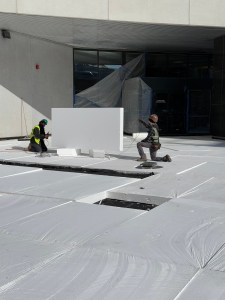
 Geofoam is revolutionizing modern construction with its lightweight yet durable properties. Made from expanded polystyrene (EPS) foam, geofoam blocks serve as a cost-effective and versatile solution for various applications, including roadways, foundations, and insulation. This article explores the benefits of geofoam, its installation process, cost factors, and why it is becoming a preferred material in the industry.
What is Geofoam?
Geofoam is a lightweight foam filler composed of expanded polystyrene (EPS) foam. Unlike traditional soil or other heavy materials, geofoam blocks significantly reduce load weight on structures while maintaining stability and strength. EPS foam blocks are designed to provide high compressive resistance, making them ideal for large-scale infrastructure projects.
Key Benefits of Using Geofoam
- Lightweight Foam Filler: One of geofoam’s biggest advantages is its ability to replace heavier soil and fill materials. This reduces stress on underlying structures and minimizes settlement over time.
- Excellent Insulation Properties: The insulating properties of geofoam make it an effective thermal barrier in construction. Foam block insulation helps regulate temperature in buildings and underground applications.
- Durability & Moisture Resistance: Geofoam blocks are resistant to water absorption, reducing the risk of material degradation over time. They also offer long-term stability with minimal maintenance.
- Versatility in Applications: Geofoam is widely used in road construction, bridge abutments, retaining walls, landscaping, and even stadium seating structures due to its adaptability and ease of use.
Geofoam Block Sizes and Installation
Geofoam blocks come in various sizes and densities, allowing for customization based on project needs. Standard geofoam block sizes range from small, easily handled pieces to large blocks used for major infrastructure projects.
Step-by-Step Installation Process:
- Site Preparation: The construction area is cleared and leveled to ensure a stable foundation.
- Geofoam Placement: Blocks are strategically placed according to engineering specifications, ensuring even weight distribution.
- Shaping and Cutting: If necessary, geofoam blocks can be cut to precise dimensions using hot wire foam cutters.
- Encapsulation: A protective barrier may be added to prevent exposure to elements and enhance longevity.
- Final Construction Layer: Concrete, asphalt, or soil is applied over the geofoam to complete the project.
Compared to traditional fill materials, geofoam installation is quicker and requires less labor, contributing to overall cost savings.
Geofoam Cost: Is It Worth the Investment?
The cost of geofoam depends on several factors, including material density, transportation, and project size. While the initial geofoam cost may be higher than traditional fill materials, its long-term benefits outweigh the expense:
- Lower Transportation Costs: Due to its lightweight nature, geofoam reduces fuel and logistical costs.
- Faster Installation: Reduced labor costs and time savings make geofoam a cost-effective choice for large projects.
- Energy Efficiency: The insulating properties of geofoam contribute to reduced energy consumption in buildings, leading to lower utility bills.
- Minimal Maintenance: Unlike soil or other materials that can settle and shift over time, geofoam provides lasting stability with minimal upkeep.
Geofoam is transforming the construction industry with its lightweight, durable, and cost-effective nature. From reducing weight loads on structures to providing superior insulation, EPS foam blocks offer a practical solution for various projects. If you’re considering an innovative approach to construction, geofoam may be the perfect material for your next project.
For more information on geofoam and its applications, contact CMI Insulation today.
