
Was your warehouse built before 2008?
It’s probably losing more energy than you realize. Older buildings often have thin insulation, gaps in walls or roofs, and metal surfaces that let heat escape in winter and build up in summer. These warehouses are like hidden giants of energy waste, but with the right retrofit, that waste can be turned into big savings.
Updating your building with modern warehouse insulation systems can cut energy costs, make the space more comfortable for employees and even protect the structure itself. In this guide, we’ll walk you through why pre-2008 warehouses are perfect for retrofits, the main risks and benefits to consider, top insulation materials, including CMI’s solutions, and a clear, step-by-step process to get the job done.
Why Pre-2008 Warehouses Are Perfect Candidates for Retrofit Insulation
Warehouses built before 2008 often have hidden energy problems that go unnoticed until the bills arrive. Back then, energy codes didn’t require high R-values or continuous air barriers, so many buildings were constructed with minimal insulation. Steel-frame walls and metal roofs, common in older warehouses, can create thermal bridges, places where heat slips in or out, making it harder to keep the space comfortable.
These older warehouses can lose a lot of energy through under insulated roofs and walls, which adds up fast over the course of a year. That’s a lot of wasted energy that can be recovered with the right approach. Retrofit insulation systems designed for commercial warehouses can seal gaps, block thermal bridges and add the R-value that was missing in the original construction.
By upgrading insulation, energy costs drop, indoor temperatures become more consistent and the building’s lifespan can be extended. For warehouse owners, these retrofits are a smart investment that protects the property and pays for itself over time.
The Upside: Benefits of Retrofitting Your Warehouse
Retrofitting insulation in an older warehouse can make a bigger difference than most building owners realize. One of the biggest wins is cutting energy costs. Warehouse retrofit insulation systems add the missing R-value and create a tighter building envelope. This means HVAC systems don’t have to work as hard to heat or cool the space, which can translate into noticeable savings on monthly energy bills.
Comfort inside the warehouse also improves. As we mentioned, gaps, drafts and hot or cold spots are common in pre-2008 buildings, making some areas uncomfortable for employees or sensitive equipment. Adding retrofit insulation eliminates these issues, keeps temperatures consistent and reduces condensation that can lead to mold or corrosion. A more stable environment not only helps workers stay productive but also protects stored materials from temperature swings.
Retrofitting insulation can also increase property value and extend the life of the building. Energy-efficient warehouses are more attractive to tenants, buyers and investors. At the same time, properly installed insulation protects metal walls, roofs and structural components from moisture and temperature extremes, helping the building last longer.
Best Insulation Materials for Warehouse Retrofits
Choosing the right insulation can make a huge difference when upgrading an older warehouse. Different materials work best in different parts of the building, and modern warehouse insulation systems, like those from CMI.
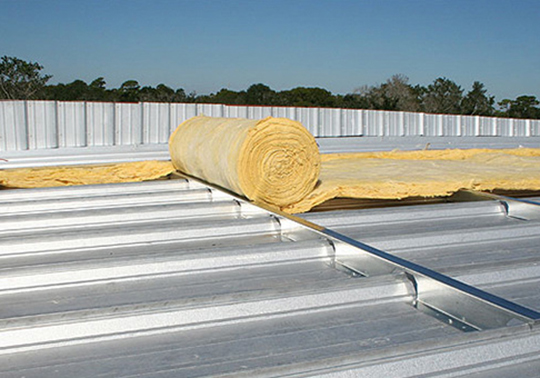
For older metal buildings, CMI’s blanket Retrofit Insulation System is an ideal solution. It installs easily between the purlins using a simple clip-and-wire setup, so a single installer can complete the job without a large crew. The laminated fiberglass insulation includes premium facings that improve energy efficiency, prevent condensation, and create a clean, professional interior finish.
Other insulation types can also play a role in certain areas:
- Spray Polyurethane Foam (SPF): Great for sealing gaps and adding high R-value in metal walls or roofs, but often requires professional installation.
- Rigid Foam Board (EPS, XPS, Polyiso): Ideal for continuous exterior insulation or foundation walls, offering strong compressive strength for structural support.
- Blown-In Fiberglass: Works well for enclosed cavities over office spaces or mezzanines, but is less common for large warehouse envelopes.
While these materials have their uses, CMI’s Retrofit Insulation System is designed specifically for metal warehouses, combining fast installation, professional results, and energy-saving performance in one solution. It addresses the main challenges of pre-2008 warehouses while improving comfort, lowering energy bills, and protecting the building structure.
Step-by-Step Guide to Retrofitting Your Warehouse
Following a clear, step-by-step approach makes the process straightforward and ensures the retrofit delivers real results.
Step 1: Conduct a Professional Energy Audit
Start with a detailed energy audit, using tools like thermal imaging to pinpoint where heat is escaping, moisture is building up or insulation is missing. This gives a clear picture of problem areas and helps guide which retrofit insulation systems will have the most impact.
Step 2: Address Structural and Moisture Issues First
Before adding insulation, any leaks, rust or corrosion need to be repaired. Covering up these issues can lead to bigger problems later, including mold or damage to the building’s structure. Fixing the foundation first can really help.
Step 3: Choose the Right Insulation System for Each Area
Different areas of the warehouse have different needs. Metal roofs, walls and loading docks benefit from modern warehouse insulation systems, like CMI’s metal building insulation, which provides high R-value, air sealing and moisture control. Picking the right material for each part of the building makes sure there is maximum efficiency and comfort.
Step 4: Hire a Qualified Commercial Insulation Contractor
Experience matters. Look for contractors familiar with large-scale warehouses and metal buildings. They’ll know how to install retrofit insulation correctly, avoid common pitfalls and keep the project on schedule.
Step 5: Post-Installation Inspection and Verification
After installation, a thorough inspection confirms the work was done right. Check for proper air sealing, complete R-value coverage and measures to control condensation. This final step ensures the retrofit delivers energy savings and protects the building for years to come.
Pre-2008 warehouses can sometimes lose energy through uninsulated walls, roofs and metal building surfaces. This quietly drives up costs. These older buildings are full of untapped potential, and a strategic retrofit can turn that wasted energy into real savings.
Using modern warehouse insulation systems, like CMI’s retrofit metal building insulation, makes it possible to improve energy efficiency, create a more comfortable workspace and protect the building structure, all while boosting property value.
Frequently Asked Questions
What is retrofit insulation?
Retrofit insulation is the process of adding or upgrading insulation in an existing building to improve energy efficiency. For warehouses, this means installing modern warehouse insulation systems in walls, roofs or other areas where heat loss or drafts are common.
Why retrofit an old warehouse instead of building new?
Upgrading an existing warehouse is often faster and more cost-effective than constructing a new building. A retrofit can help you to improve energy efficiency by adding proper insulation, sealing gaps and addressing thermal bridging. It also extends the life of the property and increases its value, all without the expense and downtime of starting from scratch.
How does metal building insulation prevent condensation and improve energy efficiency?
Metal building insulation adds both R-value and an air barrier, which helps keep warm or cool air inside and moisture out. By sealing gaps and covering metal surfaces prone to condensation, it reduces water buildup that can cause corrosion or mold. At the same time, it keeps indoor temperatures more consistent, lowering HVAC demand and cutting energy bills.
