
Post Summary: Choosing the right insulation thickness for a metal building comes down to your climate zone, how the building is used, and what you’re actually trying to achieve, not just picking the highest R-value available. This guide compares R-10, R-19, and R-30 insulation in real-world metal building applications, explains where each makes the most sense, and helps you avoid overspending or under-insulating your metal building based on your specific situation.
Does your metal building feel like it can’t decide whether it’s a freezer or a furnace? That’s one of the most common frustrations we hear from building owners, and it’s usually not the structure itself that’s the problem. It’s the insulation. More specifically, it’s choosing the wrong insulation thickness for the climate, the building’s use or the long-term plan for the space.
This insulation thickness guide is designed to give you clear, practical answers. We’ll walk you through how R-10, R-19 and R-30 insulation actually perform in real metal buildings. At CMI Insulation, we work exclusively with metal building insulation systems, so everything below is based on what works in the field, not just in theory.
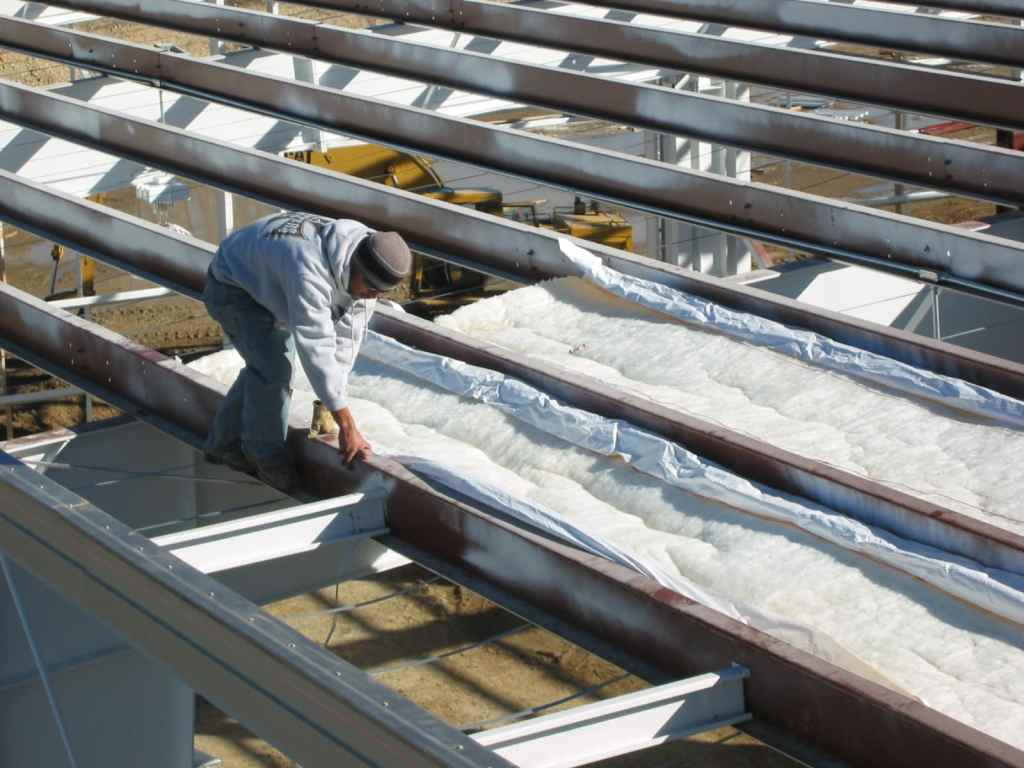
Choosing Insulation for Metal Buildings Without Overthinking It
Choosing insulation for metal buildings can feel overwhelming because steel behaves very differently from wood. Steel transfers heat quickly, which means temperature changes happen fast and condensation can form just as easily. Without the right insulation thickness, these issues quietly lead to higher energy bills, moisture damage and uncomfortable working conditions.
The goal is to install the right thickness for how your building is actually used and where it’s located. When insulation is properly matched to those factors, it becomes a smart investment rather than an unnecessary expense.
Is a Higher R-Value Always Better?
Short answer: no. While a higher R-value improves thermal resistance, it doesn’t automatically mean a better value. The performance of insulation for metal building projects depends on climate, usage and installation quality. Beyond a certain point, increasing R-value delivers smaller gains that may not justify the added cost.
That’s why understanding what each R-value realistically delivers is far more important than simply choosing the highest number.
What R-Value Means in a Steel Building
R-value measures how well insulation resists heat flow. In insulation for steel buildings, this matters more than many owners expect. Steel panels and framing members conduct heat efficiently, creating what’s known as thermal bridging. This allows heat to bypass insulation and move directly through the structure. Proper insulation helps solve multiple problems at once, including:
- Reducing heat transfer through steel framing
- Preventing condensation that leads to rust and corrosion
- Lowering heating and cooling costs
- Improving interior comfort and noise control
Because moisture control is so important, effective insulation systems almost always include a vapor retarder to protect both the insulation and the structure itself.
R-10 vs. R-19 vs. R-30: Understanding the Real Differences
R-10 Insulation: Basic Protection for Mild Climates
R-10 insulation is typically around three inches thick and is commonly used in buildings that are unconditioned or only lightly heated. It’s often installed using metal building insulation rolls, making it an affordable option for basic moisture and temperature control. R-10 is best suited for:
- Storage buildings and sheds
- Equipment shelters
- Unconditioned garages in mild climates
While it helps control condensation, R-10 offers limited thermal protection and is usually not sufficient for spaces where people work regularly or where temperature consistency matters.
R-19 Insulation: The Most Versatile Choice
R-19 insulation increases thickness to roughly six inches and represents the most common choice for metal building insulation. It delivers a noticeable improvement in comfort without significantly increasing installation complexity or cost. R-19 works well for:
- Workshops and metal shops
- Warehouses and light commercial spaces
- Metal barn insulation for livestock and equipment
- Agricultural and mixed-use buildings
This thickness is widely available as metal building batt insulation, making it compatible with framed walls and roof systems. For many owners, R-19 offers the best balance between upfront cost and long-term energy savings.
R-30 Insulation: Maximum Efficiency for Demanding Conditions
R-30 insulation is typically nine inches thick and is designed for buildings where comfort and efficiency are critical. It’s most often used in colder climates or in buildings that function as offices or living spaces. R-30 is ideal when:
- The building is located in a cold climate
- Interior temperatures need to remain consistent year-round
- Energy efficiency is a top priority
- Long-term operating costs matter more than upfront savings
Although R-30 requires a higher initial investment, it often pays off over time through reduced heating and cooling expenses.
Climate and Building Use: Two Factors You Can’t Ignore
Climate plays a major role in insulation performance, but building use is just as important. A storage building doesn’t need the same insulation as a workspace or office. When choosing insulation solutions, both factors must be considered together. Here’s a simple way to think about it:
- Mild climates with basic storage needs often perform well with R-10
- Moderate climates or active workspaces benefit from R-19
- Cold climates or conditioned spaces usually justify R-3
Matching insulation thickness to both climate and usage helps avoid overspending while still solving the real problems metal buildings face.
Budget, ROI and Long-Term Performance
It’s natural to focus on upfront cost, but insulation should be viewed as a long-term investment. Thicker insulation reduces energy consumption, protects the structure from moisture damage and lowers HVAC strain over time. For owners planning to keep their building for many years, higher R-values often deliver better overall value.
CMI’s fiberglass systems are designed specifically for steel building insulation types and retrofit projects. Our approach minimizes disruption, avoids exterior panel removal and delivers a bright, clean interior finish that improves both usability and appearance. This makes upgrading insulation a manageable process rather than a major operational headache.
Common Insulation Options for Metal Buildings
Several insulation materials are used in metal buildings, each with its own strengths:
- Fiberglass systems remain the most practical choice of building insulation for many projects.
- Spray foam offers excellent air sealing, but it typically involves higher costs and more disruption.
- Rigid foam boards provide high R-value per inch and are often used alongside other systems rather than alone.
For most owners, fiberglass-based insulation provides the best balance of performance, affordability and ease of installation in metal buildings.
Choosing the Right Insulation Thickness
The right insulation thickness depends on your climate, how you use your building and how long you plan to own it. R-10 works for basic needs, R-19 is the dependable all-around solution and R-30 delivers maximum comfort and efficiency when conditions demand it.
With the right insulation for your metal building, you’re not just improving comfort, you’re protecting your structure, reducing operating costs and increasing long-term value. At CMI Insulation, we help metal building owners turn inefficient spaces into durable, efficient and professional environments.
Frequently Asked Questions
Is R-19 insulation better than R-30?
No. R-19 is often more cost-effective for moderate climates, while R-30 performs better in cold climates or fully conditioned spaces. The better choice depends on climate and building use.
What type of insulation is best for a metal building?
Fiberglass insulation is the most practical option for most metal buildings because it balances cost, performance, moisture control and ease of installation.
Is an R-value of 19 good?
Yes. R-19 provides solid thermal performance for many workshops, barns, warehouses and commercial metal buildings.
Is a higher R-value always better?
Not always. Higher R-values improve insulation performance, but the added cost isn’t always justified if climate, building use or installation quality don’t require it.
