
If you own a metal building, you probably know how tricky it can be to keep the temperature comfortable inside. Metal walls and roofs can lose heat quickly, depending on the season, and make energy bills higher than they need to be. That’s where retrofit insulation comes in. Unlike insulation installed during new construction, retrofit insulation is all about upgrading or adding insulation to a building that’s already standing. It’s a practical way to improve comfort, reduce energy costs and protect the structure from condensation and moisture issues.
In this post, we’ll walk through the full metal building insulation retrofit process step by step. From identifying where insulation is needed to choosing the right system and understanding how it’s installed, you’ll get a clear picture of what a retrofit involves. We’ll also highlight proven product options like CMI’s retrofit metal building insulation systems that are designed specifically for existing structures, making the upgrade easier and more effective. By the end, you’ll know exactly what it takes to give your metal building better performance and long-term protection.
Why Retrofits Matter in Metal Buildings
Metal buildings are great for durability and space, but they have a common challenge: controlling temperature. In the summer, metal can trap heat, making interiors uncomfortably warm. In the winter, heat escapes quickly, leaving the space cold and drafts noticeable. Without proper insulation, these swings make it hard to maintain a consistent, comfortable environment.
Poor insulation affects comfort, and it hits the wallet, too. Energy bills can climb as heating and cooling systems work harder to offset temperature swings. Condensation can form on walls and ceilings. This can lead to moisture problems that may damage the structure over time. Inconsistent temperatures and damp spots are signs that the building isn’t performing as efficiently as it could.
Upgrading a metal building with retrofit insulation addresses these issues directly. Adding or improving insulation is an investment in comfort, energy efficiency and long-term protection. A well-planned metal building insulation retrofit keeps temperatures steady, lowers energy costs and reduces the risk of condensation or damage. It’s a practical step that improves the building’s performance without the need for major reconstruction.
The Five Essential Stages of a Retrofit Insulation Project
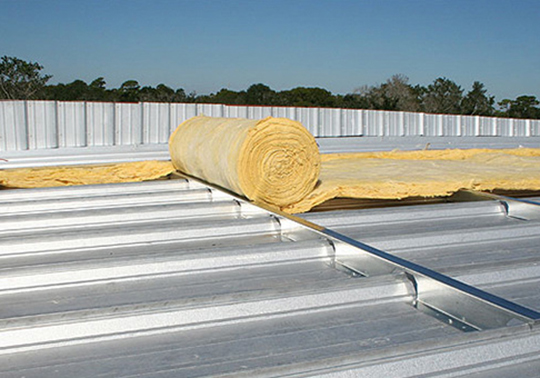
A metal building insulation retrofit is most effective when it follows a clear, step-by-step process. Every successful project goes through five essential stages, starting with a professional assessment and finishing with verification to make sure the building is performing efficiently. These stages help ensure that the insulation upgrade delivers comfort, energy savings and long-term protection.
- The first stage, assessment and performance audit, involves inspecting the building for temperature fluctuations, air leaks and moisture risks. This information guides which areas need attention and which insulation system will provide the best results.
- Next is choosing the right retrofit insulation system. The type of insulation and installation method depends on the building’s needs, budget and performance goals.
- After that comes site preparation and air sealing, a critical step that ensures gaps and leaks are addressed before any insulation is installed. Sealing around purlins, roof-to-wall connections and other penetrations prevents heat loss and protects against condensation.
- During insulation installation, the chosen system is carefully applied. Systems like CMI’s retrofit options are designed to make installation cleaner and faster, whether working in walls, ceilings or roof spaces.
- The final stage, verification and testing, confirms that the insulation is performing as expected. Post-installation checks often include thermal imaging or blower door tests to ensure energy efficiency targets are met. This gives you confidence that the retrofit is complete and effective.
Step‑by‑Step Retrofit Installation Explained
Installing insulation in a metal building can be simple when using the right system. Here’s what a typical metal building insulation retrofit looks like:
Minimally Invasive Installation with CMI Retrofit Rolls
- Rolls fit neatly between purlins using a clip-and-wire setup.
- Quick, clean installation without removing panels.
- Reduces labor and cleanup while providing effective thermal performance.
More Involved Methods When Needed
- Some systems, like continuous coverage options, may require exterior panel removal or extra prep work.
- These methods can take more time and create some disruption, but often deliver higher R-values and long-term energy savings.
Step-by-Step Planning for Best Results
- Matching the insulation system to the building’s needs ensures comfort and efficiency.
- Proper sequencing and installation help reduce condensation risks and maximize performance.
- Choosing the right CMI system makes the process smoother and more effective.
Where Else Can You Retrofit Insulation
A metal building insulation retrofit can also involve the roof and ceiling. They often have a big impact on energy use, since heat naturally rises and escapes through uninsulated areas. Upgrading insulation in these spaces can make the building noticeably more comfortable while lowering heating and cooling costs. Systems like CMI’s retrofit rolls and high R‑value options are designed to fit neatly between roof purlins, making this upgrade quick and efficient.
Walls and girts also play a key role in comfort and energy efficiency. Adding insulation to these areas helps reduce drafts, prevents temperature swings and can protect against condensation. CMI’s Simple Saver systems are excellent choices here, providing full coverage without major disruption to the building’s interior.
In some buildings, floors and foundations can be a source of heat loss, particularly in colder climates. While not always required, insulating these areas can further improve energy efficiency and overall comfort. By addressing all these spaces, a comprehensive retrofit metal building insulation project ensures a more consistent interior environment, lower energy bills and long-term protection for the structure.
Financial Payback of Retrofit Insulation
Investing in a metal building insulation retrofit isn’t just about comfort—it can also have a noticeable impact on finances. Here’s how a well-planned retrofit pays off over time:
- Lower Energy Bills: Upgrading insulation reduces heat loss in winter and keeps interiors cooler in summer. Heating and cooling systems don’t have to work as hard. This can lead to significant savings on monthly energy bills.
- Better Comfort Year-Round: Consistent temperatures make the building more comfortable for everyone inside, whether it’s for work, storage or leisure. Insulation also helps reduce drafts and cold spots, creating a more stable environment.
- Extended HVAC Life: When heating and cooling systems aren’t running constantly to compensate for poor insulation, they last longer. This can delay costly repairs or early replacement.
- Higher Property Value: Energy efficiency is increasingly important to buyers. A building with proper insulation can be more appealing on the market and may command a higher price.
- Rebates & Tax Credits: Many federal programs, such as the ENERGY STAR incentives and local utility companies offer rebates or tax credits for energy-efficient building upgrades. Checking eligibility before starting a project can help offset costs.
A comprehensive metal building insulation retrofit combines comfort, efficiency and long-term savings, making it a smart investment for any building owner.
Wrap‑Up: Is It Worth It?
A metal building insulation retrofit delivers clear benefits, lower energy bills, better comfort, longer-lasting HVAC systems and even increased property value. Upgrading with the right system also protects the building from moisture and condensation, creating a safer, more efficient space year-round.
For a retrofit that’s both effective and easy to install, CMI’s solutions are a great option. Designed specifically for existing metal buildings, it fits neatly between purlins, reduces labor and delivers lasting performance. Taking this step ensures a more comfortable, energy-efficient building while safeguarding your investment.
