
Post Summary: You don’t have to shut down operations or strip exterior panels to upgrade your metal building’s insulation. This post covers how retrofit insulation systems, specifically banding-supported fiberglass blankets, can be installed from the inside while your building stays fully occupied. You’ll learn what makes retrofitting different from new construction, which systems minimize disruption, and how to solve heat loss and condensation without interrupting your day-to-day business.
Does your metal building feel like an oven in summer and an icebox in winter? Or worse, are you dealing with condensation dripping from the roof onto equipment and inventory? If so, your building isn’t failing; your insulation strategy is.
Metal structures are incredibly efficient at one thing: transferring heat. Without proper metal building insulation, your facility is quietly losing energy, developing moisture problems and creating an uncomfortable environment for occupants.
Upgrading the insulation for metal buildings is absolutely possible even when your building is fully operational. You don’t have to shut down production or remove exterior panels to fix efficiency and condensation issues.
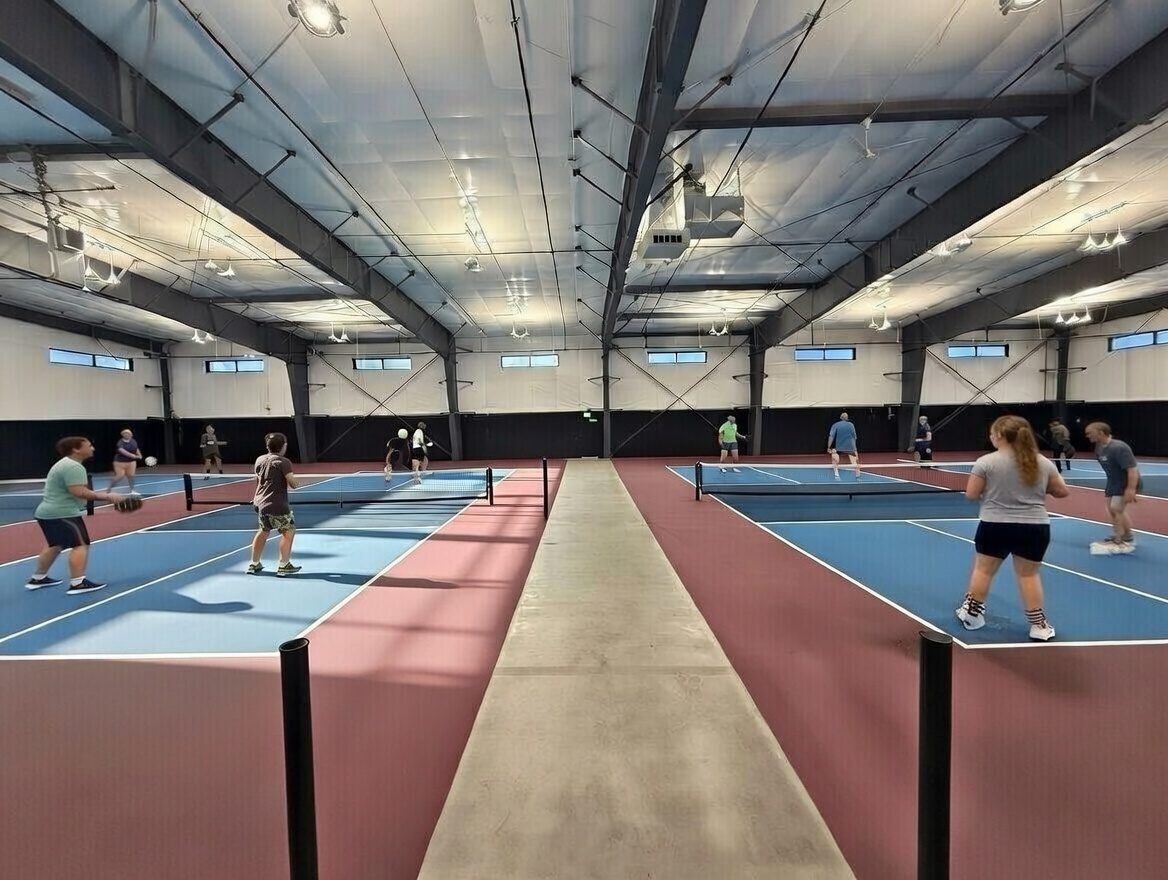
How Do You Insulate a Metal Building That Is Already Built?
To insulate an existing metal building, installers typically use a banding system to support fiberglass blanket insulation below the purlins or apply spray foam directly to interior metal surfaces. Retrofit methods differ from new construction and require evaluating access to framing members like purlins and girts.
Retrofit Reality: Why Existing Buildings Require a Different Approach
New construction is straightforward: Insulation goes in before panels are installed. Retrofitting insulation for steel buildings is different, especially when people, equipment and operations are already inside. Common retrofit challenges include:
- Limited access to roof purlins
- Active business operations
- Sensitive equipment below
- Safety and cleanliness requirements
- Need to avoid removing exterior panels
This is where specialized PEMB insulation retrofit systems provide a major advantage. At CMI, the focus is on solutions that work with your building, not against your operations.
Why Insulation Is Non-Negotiable for Steel Structures
If your steel building lacks proper insulation performance, three costly problems are already happening.
- Thermal Bridging
Steel is a powerful thermal conductor. Without proper insulation for your metal building, heat flows rapidly through the structure. What this means for you:
- Higher heating and cooling costs
- Overworked HVAC systems
- Temperature swings inside the building
- Reduced occupant comfort
High-quality metal building ceiling insulation adds thermal resistance (R-value), slowing heat transfer and stabilizing interior conditions.
- Condensation Control
When warm, moist air contacts cold steel, water forms. It’s basic physics, but expensive when ignored. This “sweating” leads to:
- Rust and corrosion
- Wet insulation
- Mold risk
- Damaged inventory
Proper insulation for metal buildings, paired with a continuous vapor retarder, keeps interior surfaces above the dew point and stops moisture before it starts. Warm air always moves toward cooler surfaces. Without a vapor barrier, moisture travels with it. This vapor drive is why insulation alone is not enough.
- Sound Attenuation
Uninsulated metal buildings amplify noise from:
- Rain and hail
- Machinery
- Interior echo
Quality metal barn insulation and roof systems absorb sound energy, creating a noticeably quieter workspace, something many owners don’t realize until after upgrading.
Comparing Top Metal Building Insulation Systems
Not all metal building insulation systems perform the same, especially in retrofit situations. The best choice depends heavily on whether your building is occupied.
Fiberglass Blanket Systems (CMI’s Primary Solution)
Fiberglass remains the industry workhorse for commercial insulation for metal buildings and for good reason. When installed with a banding system, it delivers strong performance with minimal disruption. Why fiberglass works well in occupied buildings:
- Installs from the interior
- No exterior panel removal
- Clean installation process
- Cost-effective coverage
- Integrated vapor retarder options
- Bright, clean, professional interior finish
Facing durability matters. Reinforced facings outperform basic vinyl in high-traffic facilities and maintain the bright interior appearance CMI systems are known for. For most retrofit scenarios, fiberglass provides the best balance of performance, cost and minimal downtime.
Spray Foam (Open vs. Closed Cell)
As honest experts, we’ll say it clearly: spray foam has strengths. It excels at:
- Air sealing irregular gaps
- High R-value per inch
- Adding rigidity (closed cell)
However, for occupied facilities, spray foam introduces a challenge. It requires vacating work areas, it produces installation fumes, and there is permanent adhesion to panels. Apart from that, you will have to face higher material and labor cost as well as potential warranty concerns with some metal panels.
While spray foam can be effective in certain targeted areas, many building owners find that fiberglass-based, high-quality metal building insulation systems deliver comparable energy performance with far less disruption.
Rigid Board Insulation
Rigid foam boards provide high R-value per inch and are sometimes used in custom assemblies. They are known to have high thermal and moisture resistance and usually leave a clean appearance.
However, the labor to install them in large buildings is intensive, they are difficult to retrofit and therefore you will face higher installation costs. They are typically used as supplemental insulation rather than the primary insulation for metal shop solutions.
Radiant Barrier Systems
Radiant barriers primarily reflect heat rather than resist conductive heat flow. They work best in hot climates but offer limited standalone R-value. Most effective when:
- Installed with an air gap
- Combined with fiberglass
- Used in unconditioned spaces
On their own, they rarely meet full performance needs for modern metal insulation requirements.
Insulated Metal Panels (IMPs)
IMPs are premium wall and roof systems with factory-installed insulation. They deliver excellent performance but typically require:
- Major building modification
- Panel replacement
- Significant downtime
For existing occupied buildings, they are rarely the practical first choice.
Selecting the Right System for Existing Occupants
When your building is in use, installation logistics matter as much as R-value.
| System | Installation Cost | Disruption | Retrofit Friendly | Typical Use |
| Fiberglass banding | Low – medium | Low | Excellent | Most buildings |
| Spray foam | High | High | Limited | Air sealing areas |
| Rigid board | Medium–High | Medium | Moderate | Custom walls |
| Radiant barrier | Low | Low | Good | Hot climates |
| IMPs | Very high | Very high | Poor | New builds |
For buildings with an exposed roof deck, the most effective solution is typically a banded fiberglass retrofit because it can be installed from below without removing roof panels. This allows operations to continue with minimal disruption while still delivering a clean, professional interior finish.
In areas where framing is difficult to access or highly irregular, spray foam may be appropriate, particularly when air sealing is the primary objective and the space can be temporarily vacated during installation. However, owners should carefully weigh the higher cost and potential disruption.
In facilities that already include or plan to add drop ceilings, another practical option is installing loose-fill insulation above the ceiling grid, which can work especially well in conditioned office zones within metal structures.
Climate Zone Considerations: What R-Value Do You Need?
Insulation requirements for metal buildings vary significantly based on both climate and how the building is used, so a one-size-fits-all approach rarely delivers the best results.
In hot and humid regions, the primary focus should be on effective vapor control, reducing radiant heat gain and selecting balanced R-values that limit heat transfer without trapping unwanted moisture. In these climates, typical performance targets are around R-19 to R-25 in the roof and R-10 to R-16 in the walls.
In colder climates, the priority shifts toward retaining interior heat and preventing energy loss through the building envelope. This usually calls for higher thermal resistance, often R-30 or greater in the roof and R-19 or higher in the walls, along with a properly detailed vapor retarder to control moisture movement.
Mixed climates fall somewhere in between, where balanced insulation assemblies tend to perform best throughout the year. In all cases, properly designed insulation for metal buildings should be carefully matched to the specific climate zone and the building’s occupancy conditions to ensure long-term efficiency and moisture control.
Upgrade Without Shutting Down
The right metal building insulation approach can transform your space without disrupting operations. With properly designed retrofit systems, you can:
- Stop condensation
- Lower energy costs
- Brighten interior spaces
- Protect your structure
- Improve year-round comfort
At CMI, we specialize in retrofit-friendly solutions built specifically for metal structures, delivering the bright, clean and professional finish owners expect with minimal disruption.
FAQs – Frequently Asked Questions
What is the cheapest way to insulate a metal building?
Fiberglass blanket insulation is typically the most cost-effective solution for large metal structures while still delivering solid thermal performance.
Can you spray foam over existing insulation?
Generally no. Existing insulation usually needs to be removed to ensure proper adhesion and moisture control.
Does a metal building need a vapor barrier?
In most cases, yes. A vapor retarder is critical to prevent condensation, rust and long-term moisture damage in steel buildings.
