
Post Summary: Sagging insulation in metal buildings is usually caused by gravity, moisture absorption, and outdated installation methods, not just age. Once it shifts, gaps form that drive up energy costs and invite condensation. This post explains the root causes of insulation failure, the warning signs to watch for, and how modern retrofit insulation systems use mechanical supports and engineered fiberglass to permanently solve the problem without removing your exterior panels.
Have you ever walked into your building and noticed insulation drooping from the roof or walls? Maybe your energy bills keep rising, certain rooms feel colder than others or your HVAC system seems to run constantly. These are common frustrations for building owners, and they usually point to one underlying issue: insulation failure.
Sagging insulation isn’t just an aging problem. In most cases, it’s caused by a combination of gravity, moisture and poor installation methods that were never designed to last in demanding structures. Over time, these factors quietly reduce the effectiveness of your metal building insulation, leaving gaps where heat escapes and condensation forms.
The good news? It doesn’t have to be that way.
Modern retrofit systems can permanently solve sagging insulation problems in both homes and commercial structures. Whether you’re dealing with a house, warehouse, agricultural building or shop, the right insulation for metal buildings can restore comfort, reduce energy costs and protect your building from long-term damage.
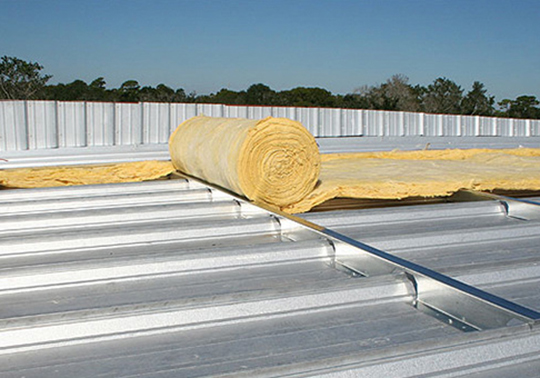
10 Signs Your Building Needs Better Insulation
Insulation problems rarely appear overnight. Instead, they gradually worsen until the symptoms become impossible to ignore. If you’re experiencing any of the signs below, your current insulation system may have degraded, compressed or fallen out of position.
- Rising energy bills despite normal usage
- Uneven temperatures between rooms or building zones
- Cold floors and walls, especially in winter
- Persistent drafts near doors, ceilings or walls
- HVAC systems running constantly
- Condensation or dripping ceilings in metal buildings
- Ice dams forming on roofs during winter
- Musty odors or visible mold
- Pests nesting in attic insulation
- Visible sagging or fallen insulation panels
These problems are especially common when the insulation for steel building structures was installed decades ago using older methods that lacked adequate support systems. Left unresolved, failing insulation doesn’t just affect comfort. It quietly drains your budget through wasted energy and increased maintenance.
What Are the Problems with Retrofit Cavity Wall Insulation?
The main problems with retrofit cavity wall insulation occur when moisture enters the wall cavity through cracks, deteriorating mortar or wind-driven rain. Instead of improving energy efficiency, the insulation can trap moisture inside the wall, leading to condensation, internal dampness and mold growth.
This typically happens when retrofit insulation is installed without considering airflow and moisture movement inside the wall assembly. Older buildings especially require careful planning because they were not designed with modern airtight insulation systems in mind. When moisture becomes trapped, several issues may develop:
- Damp interior walls
- Mold growth inside insulation
- Reduced thermal performance
- Structural damage over time
That’s why retrofit insulation systems should always be installed with proper moisture management and ventilation in mind.
Why Traditional Insulation Keeps Sagging
Insulation materials rely on trapped air pockets to slow heat transfer. When the material compresses or becomes wet, those air pockets disappear and the insulation loses effectiveness. Over time, several forces cause insulation to sag or fall. The most common causes include:
- Gravity: Insulation slowly pulls away from framing when it isn’t properly supported.
- Moisture absorption: Water increases the weight of insulation and accelerates sagging.
- Compression: Poor installation or structural movement can compress insulation and reduce its R-value.
Once insulation shifts out of position, gaps form that allow heat to escape and cold air to enter. This leads to thermal bridging and uneven temperatures throughout the building.
For insulation for metal buildings, this problem is even more significant because steel framing transfers heat very efficiently.
The Unique Challenges of Metal Buildings
Metal structures behave very differently from wood-framed buildings. Steel conducts heat rapidly, which means temperature changes occur much faster inside the building. Without proper insulation for metal building systems, this leads to several common problems:
- Condensation forming on interior surfaces
- Rapid heat gain in summer and heat loss in winter
- Insulation sagging between large structural spans
- Increased energy consumption
Traditional residential insulation often struggles in these environments because metal buildings have wider spaces between framing members like purlins and girts. Over time, unsupported insulation can drop or collapse.
This is where specialized retrofit metal building insulation becomes essential. These retrofit systems are designed specifically for steel structures and use mechanical support methods that prevent insulation from sagging or shifting.
When installed correctly, insulation for steel building projects can dramatically improve energy efficiency, reduce condensation and make the space far more comfortable.
How to Stop Insulation from Falling Down
Fixing sagging insulation requires more than simply repositioning it. The goal is to install a system that keeps insulation secure and maintains its full thickness for decades. Several proven retrofit solutions are commonly used.
- Spray foam insulation
Spray foam adheres directly to surfaces, eliminating gaps where insulation can sag. It provides excellent air sealing and moisture resistance, although it typically requires professional installation.
- Larger insulation sections
Using larger insulation sections reduces seams and weak points where insulation can separate or drop.
- Mechanical support systems
Commercial buildings often rely on mechanical supports such as:
- Steel banding systems
- Insulation pins
- Retention wires
These components anchor insulation to structural framing and prevent long-term sagging.
- Fiberglass retrofit systems
Modern fiberglass retrofit systems are widely used in insulation steel building upgrades because they balance performance, cost and installation speed.
At CMI Insulation, retrofit systems are designed specifically for metal structures and can often be installed without removing exterior panels, minimizing disruption to daily operations. They also provide a bright, clean interior finish that improves the appearance of the space.
Can I Add New Insulation on Top of Old Insulation?
Yes, but only if the existing insulation is still in good condition. If insulation is wet, moldy or severely compressed, it should always be removed before adding new material. Installing new insulation over damaged materials can trap moisture and lead to structural problems. If the existing insulation is dry and intact, you can add additional layers such as:
- New batt insulation
Adding layers increases the overall R-value and improves thermal performance.
How Much Does It Cost to Retrofit Insulation?
The cost of retrofit insulation varies depending on the building size, insulation material and installation complexity. Below is a general estimate for a typical 2,000-square-foot building.
| Insulation Type | Estimated Cost Range |
| Fiberglass | $3,000 – $8,000 |
| Spray Foam | $5,000 – $10,000+ |
Typical retrofit costs by area include:
- Wall insulation: $4,000 – $8,000
Most retrofit insulation projects fall between $1.50 and $4.50 per square foot installed, depending on materials and labor complexity. For many commercial buildings, properly designed metal building insulation systems provide the best balance between upfront cost and long-term energy savings.
Protecting Your Building and Energy Costs
Sagging insulation is more than just a cosmetic issue. It’s a sign that your building is losing energy, allowing moisture to accumulate and potentially shortening the lifespan of structural components. Upgrading your insulation with modern retrofit systems can dramatically improve your indoor comfort, energy efficiency, moisture control and the long-term building durability.
With the right insulation for metal buildings, you’re not just fixing temperature problems. You’re protecting your building and making a smart long-term investment.
If your insulation is sagging or underperforming, a professional assessment can help determine the best solution for your home or metal structure.
