
When it comes to pole barns, insulation plays a huge and important role in maintaining a comfortable and functional environment. The right pole building insulation helps regulate temperature, reduce moisture and protect valuable equipment, livestock or stored goods. However, choosing the best insulation for your pole barn requires considering both the climate in your area and how you plan to use the space.
Comparing Pole Building Insulation Options
Not every pole barn needs the same kind of insulation. As we mentioned, where you live and how you plan to use your building are two of the biggest factors to think about. Climate varies a lot in the United States. In warmer, more humid parts of the U.S., the main goal is usually keeping heat and moisture out, especially if you’re storing tools, vehicles or equipment that could rust. In colder climates, you’ll want pole building insulation that helps trap heat, so the space stays usable through winter months. Whether it’s a workshop, storage space or animal shelter, matching your insulation to your environment makes all the difference.
Fiberglass Insulation and Why It’s a Popular Choice for Pole Buildings
For many pole barn owners, fiberglass insulation is a popular choice, and for good reason. It’s affordable, widely available and easy to install, especially in simple structures. One thing to keep in mind: fiberglass works best when it’s installed properly. Gaps, compression or poorly cut pieces can reduce its effectiveness and allow air to pass through. Still, when done right, it’s a cost-effective solution for keeping your pole building more comfortable and energy-efficient. Depending on the R-value you’re aiming for, fiberglass insulation can run up to $1 per square foot. This makes it one of the more budget-friendly choices.
Pros and Cons of Spray Foam Insulation
Spray foam is another option for pole building insulation, but it comes with a higher price tag. It can cost up to around $2 per square foot for just one inch of coverage, which adds up quickly in larger buildings. Installation is also more involved (and more expensive) due to the chemicals used and the precision required. A poor install can lead to serious problems, so this isn’t a job to DIY unless you really know what you’re doing.
That said, spray foam does offer solid thermal performance and seals gaps that other types of insulation might miss. Just be sure to weigh the costs and installation risks before choosing it for your pole barn.
Using Reflective Foil Insulation in Pole Barns
Reflective foil insulation is a cost-effective choice for pole building insulation, especially in hot climates. As the name suggests, it works by reflecting heat away from the building, helping to keep the interior cooler during the summer. Most types are made with one or two layers of aluminum foil bonded to foam or bubble wrap, which helps reduce heat transfer.
This kind of insulation is lightweight and easy to install, making it a practical add-on or standalone option in warmer areas. Just keep in mind that in colder climates, foil insulation isn’t enough on its own. It works best when paired with another type of insulation that helps retain heat.
Choose the Right Insulation for Your Pole Building
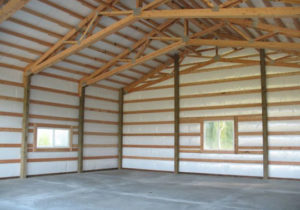
There’s no one-size-fits-all approach to insulating a pole barn. Your climate, budget and how you plan to use the space all play a role in finding the right fit. Whether you’re leaning toward fiberglass, spray foam or reflective foil, the goal is the same: better comfort, moisture control and protection for everything inside.
If you’re ready to upgrade or build with confidence, check out the full selection of pole building insulation at CMI Insulation.
We offer high-quality, affordable materials and are happy to help you figure out what makes the most sense for your project.
