main logo

How Much Does It Cost To Build A Pole Barn?

Post Summary: Pole barn costs vary widely based on size, materials, site prep, and the features you include, from a basic open-air shelter to a fully insulated, finished workspace. This post walks through the major cost factors that go into building a pole barn, gives you realistic price ranges to plan around, and explains where pole barn insulation fits into the budget as a high-ROI addition that pays off in comfort and energy savings.

Thinking about putting up a pole barn? Whether you’re dreaming of a roomy garage, a workshop to tackle your DIY projects or a spot to store your lawn gear or snowmobile, a pole barn is a solid (and budget-friendly) option. These buildings are known for their durability, low price tag and the fact that you don’t have to be a contractor to build one. You can find plenty of pole barn plans and pole-building kits that make the process easier than you might think. But before you start sketching out your layout or shopping for materials, let’s break down the real question: How much does it cost to build a pole barn?

Things to Consider Before Building a Pole Barn

Before you start buying materials or browsing pole barn kits, take a step back and look into your local building codes. A pole barn, whether it’s a garage, workshop or full-blown storage shed, is considered a new structure, which means you’ll need proper zoning permits and permissions before you break ground. Every town and county is a little different, but most will require you to submit your pole barn plans and pay a fee for approval.

Skipping this step can lead to fines or delays, so it’s worth checking with your city or county office to see what’s required. If you’re building on rural land, the rules might be more relaxed, but you’ll still want to make sure utilities, access roads and property lines are all squared away. Getting your permits in place early makes the rest of the process, especially pole barn construction, a whole lot smoother.

You’ll also want to think about your site itself. Is the land flat and well-drained? Will you need to level it or bring in gravel? What kind of foundation are you planning? Are you considering a concrete slab, dirt floor or something in between? It’s also smart to plan ahead for electrical, plumbing and insulation if you’re building a barn you’ll actually spend time in. All of these choices affect your timeline, budget and overall pole barn cost, so it pays to plan with the big picture in mind.

How Do You Build a Pole Barn, and What’s the Cost?

There are a couple of ways to go about building a pole barn. You can hire a crew to do it for you, or you can roll up your sleeves and tackle it yourself. If you’re leaning toward hiring a professional, keep in mind that extras like skylights, walk-in doors or windows will all add to your pole barn cost. Depending on your location and how customized your build is, prices can run as high as $30,000 or more for a turn-key job.

If you’re handy and up for the challenge, doing it yourself can save a good chunk of money. Many folks start with pole barn kits or pole building kits, which come with pre-measured materials and sometimes even instructions. These kits make it easier to plan out your build and stick to a budget. Just remember, pole barn prices will vary depending on things like local material costs, the size of your structure and any upgrades you include.

For example, a basic 1,600-square-foot barn with 12-foot walls might cost around $8,000 in materials. Want to add pole barn insulation? You should because insulation is a must-have to keep away condensation and keep the temperature controlled in your pole barn. It could bring the total up to about $9,500, but it’s a must. If you’re going bigger or using premium materials, you’ll need to budget more. And if you’re planning to live in your structure or build something more advanced, like a pole barn house, the cost to build it can go well beyond that, especially when you factor in utilities, interior finishes and code requirements.

At the end of the day, no two barns are exactly the same. That’s why it’s smart to get a few quotes, compare pole barn package prices and map out a realistic budget before you get started.

How Do You Save Money When Building a Pole Barn?

When you’re planning a pole barn, it’s natural to look for ways to cut costs, but be careful where you trim. The goal isn’t just to build cheap, it’s to build smart. Skipping important features to save a few bucks upfront can end up costing more in the long run. One of the biggest mistakes people make? Skipping insulation.

Without proper insulation, you could run into major condensation issues. This is especially true if you’re storing tools, equipment, or anything sensitive to moisture. Water damage, rust, and mold can all sneak in if your building isn’t protected. That’s why it’s worth talking to CMI Insulation about pole barn insulation. We’ll help you find the right solution for your space, whether you’re building a garage, workshop, or storage barn. The right insulation not only protects your investment but can also improve comfort and efficiency year-round.

Choosing quality materials and proper construction methods might cost more upfront, but it pays off in fewer repairs, better performance, and peace of mind.

Taking the time to plan carefully and shop around means you’ll get the best value, whether you’re building a simple pole barn garage or a more complex structure. That way, you know exactly what your pole barn cost looks like before you start digging.
What Are The Differences Between Metal Buildings and Pole Barns?

Post Summary: Metal buildings and pole barns are both popular choices for workshops, storage, and agricultural use, but they differ significantly in structure, cost, durability, and insulation needs. This post breaks down the key differences between the two building types, including framing, longevity, and how pole barn insulation requirements change depending on which structure you choose, so you can make a more informed decision for your project.

If you’re in the market for a new building and need something up quickly, you’ve probably run into two main options: a metal building or a pole barn. Both are widely used for agricultural, storage, and even residential purposes, but they’re not the same. So, what is a pole barn, and how does it really compare to a steel building?


Let’s break it down.


What Is a Pole Barn?

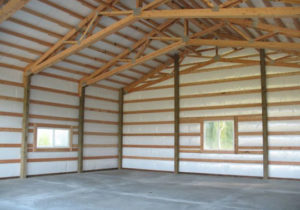
A pole barn (also called a pole building) is a structure built using large wooden posts that are either buried in the ground or set in concrete. Horizontal girts are attached to these poles, and from there, the roof and siding are added. This kind of pole building framing allows for faster builds with fewer materials and fewer costs.

Pole barns are a very popular choice for farmers and homeowners alike because they’re affordable, flexible in design, and easy to build. In fact, many pole barn kits are available for DIYers who want to keep labor costs down and get their building up fast.


What Is a Metal Building?


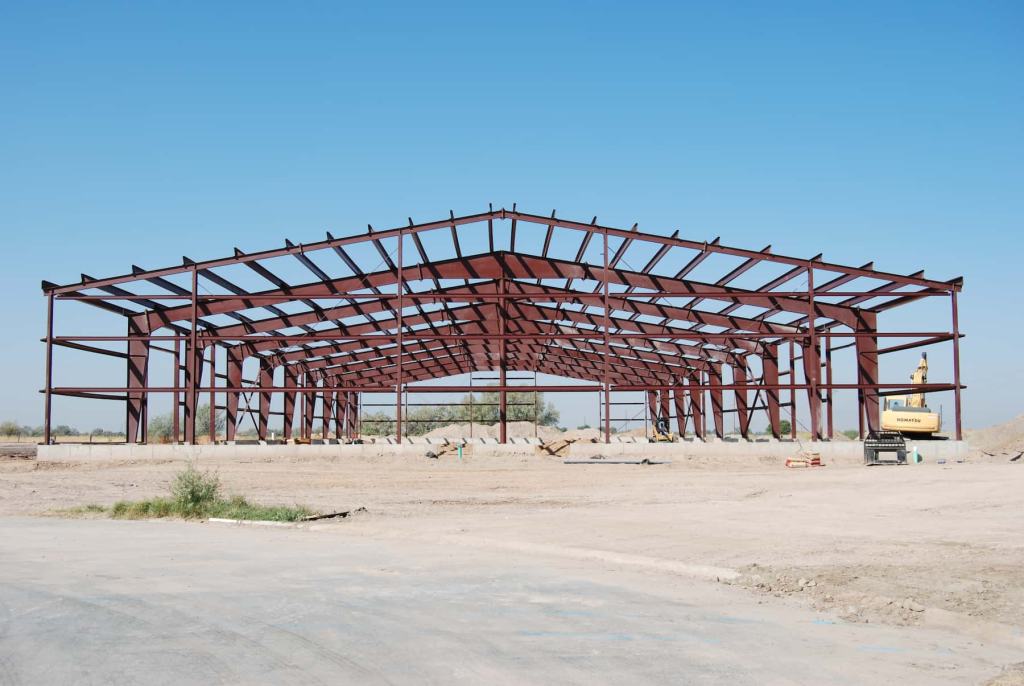
A metal building uses a rigid steel frame system. This type of construction always requires a poured concrete foundation, which is one of the reasons metal building pricing tends to be higher upfront. Once the foundation is complete, steel framing and wall panels are bolted together to form the structure.

Steel building pole barns are often the go-to for larger builds or for those who want maximum durability with minimal maintenance.


Pole Barn vs Metal Building: What are the Key Differences?

So what’s the real difference between a pole barn and a metal building? Let’s do a side-by-side comparison:


Cost and Foundation

  • Pole barn cost is typically lower because it doesn’t require a full foundation. You can set posts directly into the ground, which cuts down on materials and labor.
  • A metal pole building needs excavation, concrete, and more equipment. So, the  initial price tag will be a bit higher.


Framing Materials

    • Pole barns use wooden poles and trusses, while metal buildings rely on steel frames.
    • Steel buildings are often stronger and longer-lasting, but wood-framed barns are easier to modify over time.


    Durability

    • Steel holds up better against pests and fire, which is why some prefer metal barn kits in wildfire-prone areas.
    • Pole barns, when properly maintained, also stand up to the elements, but they may require more upkeep in the long run.


    Ease of Construction

    • Pole barns are simpler to build, even for beginners. That’s why they’re common choices for anyone looking into pole construction house projects.
    • Metal buildings are more complex but offer better scalability for large builds.


    Insulation, Condensation, and Interior Climate

    • No matter which type of building you choose, insulation is a must, and not just for temperature control. Because both metal buildings and pole barns typically use exterior metal sheeting, managing condensation is critical. Without the right vapor barrier in place, moisture can build up inside the structure and lead to serious problems, like mold, mildew, and damage to your interior finishes or stored items.
    • Insulation with built-in condensation control helps protect the structure from the inside out, especially in areas with temperature swings or high humidity. Skipping this step can cost you down the road. So, it’s worth getting it right the first time.


    CMI Insulation can help keep both types of buildings energy efficient and protected from extreme temperatures with the right insulation.


    When to Choose a Pole Barn vs. a Metal Building

    Pole barns are a great fit if you’re working with a smaller footprint, a tighter budget, or you’re hoping to handle some of the build yourself. Their simple design and flexible framing make them easier to construct without heavy machinery, which is part of what makes them so popular for personal projects and agricultural use.

    On the other hand, if you’re thinking long-term and want something that can stand up to just about anything, a steel building might be the better route. They’re ideal for larger-scale builds, require less maintenance over time, and offer more durability in the face of pests, fire, and severe weather.

    At the end of the day, it’s not about which option is “better.” It’s about what works best for your goals, your site, and your budget.


    Still have questions? That’s okay. CMI Insulation is here to walk you through the process. From framing to energy-saving insulation, we’ve helped homeowners and builders across the U.S. find the best solution for their budget and building goals.

    Whether you’re leaning toward a classic metal pole barn or starting a custom pole construction house, we’ll help you protect what matters most, inside and out.

    What Is The Cheapest Way To Insulate A Pole Barn?

    Post Summary: Insulating a pole barn doesn’t have to break the bank. Fiberglass blanket insulation is one of the most affordable and effective options, especially when installed correctly with a proper vapor barrier. This post compares the most budget-friendly pole barn insulation methods — including fiberglass, reflective foil, and spray foam breaks down cost per square foot, and helps you find the right balance between price and performance for your specific building and climate.

    When it comes to pole barns, insulation plays a huge and important role in maintaining a comfortable and functional environment. The right pole building insulation helps regulate temperature, reduce moisture and protect valuable equipment, livestock or stored goods. However, choosing the best insulation for your pole barn requires considering both the climate in your area and how you plan to use the space.


    Comparing Pole Building Insulation Options

    Not every pole barn needs the same kind of insulation. As we mentioned, where you live and how you plan to use your building are two of the biggest factors to think about. Climate varies a lot in the United States. In warmer, more humid parts of the U.S., the main goal is usually keeping heat and moisture out, especially if you’re storing tools, vehicles or equipment that could rust. In colder climates, you’ll want pole building insulation that helps trap heat, so the space stays usable through winter months. Whether it’s a workshop, storage space or animal shelter, matching your insulation to your environment makes all the difference.


    Fiberglass Insulation and Why It’s a Popular Choice for Pole Buildings

    For many pole barn owners, fiberglass insulation is a popular choice, and for good reason. It’s affordable, widely available and easy to install, especially in simple structures. One thing to keep in mind: fiberglass works best when it’s installed properly. Gaps, compression or poorly cut pieces can reduce its effectiveness and allow air to pass through. Still, when done right, it’s a cost-effective solution for keeping your pole building more comfortable and energy-efficient. Depending on the R-value you’re aiming for, fiberglass insulation can run up to $1 per square foot. This makes it one of the more budget-friendly choices.


    Pros and Cons of Spray Foam Insulation

    Spray foam is another option for pole building insulation, but it comes with a higher price tag. It can cost up to around $2 per square foot for just one inch of coverage, which adds up quickly in larger buildings. Installation is also more involved (and more expensive) due to the chemicals used and the precision required. A poor install can lead to serious problems, so this isn’t a job to DIY unless you really know what you’re doing.

    That said, spray foam does offer solid thermal performance and seals gaps that other types of insulation might miss. Just be sure to weigh the costs and installation risks before choosing it for your pole barn.


    Using Reflective Foil Insulation in Pole Barns

    Reflective foil insulation is a cost-effective choice for pole building insulation, especially in hot climates. As the name suggests, it works by reflecting heat away from the building, helping to keep the interior cooler during the summer. Most types are made with one or two layers of aluminum foil bonded to foam or bubble wrap, which helps reduce heat transfer.

    This kind of insulation is lightweight and easy to install, making it a practical add-on or standalone option in warmer areas. Just keep in mind that in colder climates, foil insulation isn’t enough on its own. It works best when paired with another type of insulation that helps retain heat.


    Choose the Right Insulation for Your Pole Building

    pole barn insulation

    There’s no one-size-fits-all approach to insulating a pole barn. Your climate, budget and how you plan to use the space all play a role in finding the right fit. Whether you’re leaning toward fiberglass, spray foam or reflective foil, the goal is the same: better comfort, moisture control and protection for everything inside.

    If you’re ready to upgrade or build with confidence, check out the full selection of pole building insulation at CMI Insulation.

    We offer high-quality, affordable materials and are happy to help you figure out what makes the most sense for your project.

    Choosing The Right Insulation System For Prefabricated Metal Buildings and Pole Barns

    Insulation is needed in all metal buildings. When the right kind of insulation is used and when it’s installed correctly, it’s nothing but beneficial to the owner of that building.

    Prefabricated metal buildings and pole barns especially need insulation added. These types of buildings are manufactured in patterned parts or sections beforehand and made for quick assembly. Because these buildings are constructed to be built as fast as possible, there can sometimes be problems if the right insulation isn’t used or installed properly or if it’s not installed at all.

    Building owners can see problems with heat escaping through purlins in the winter and then heat entering through the purlins in the summer. Some prefabricated metal buildings use certain insulation and installation methods that compress the insulation, which usually leads to condensation and a shortened roof life. No metal building owner wants to have any of these issues.

    CMI can help metal building owners steer clear of these problems with their Retrofit insulation system. This system is simple to use, requiring only one person to install the insulation instead of a whole crew, which saves you money on labor. CMI uses formaldehyde free fiberglass insulation that’s laminated with a smooth, heavy-duty facing. The insulation is rolled up and then rolled out between the purlins where only one person is needed to securely fasten the purlin clips, which keeps the insulation in place. This Retrofit system is easy to install and easy on your wallet.

    Adding insulation to your metal building or pole barn is the best thing you can do for your building and for yourself. It’s going to save you money in energy costs, prevent condensation in your metal building and give you a more comfortable work environment that will increase productivity. Choosing CMI and their Retrofit system is the best choice you can make for your prefabricated metal building or pole barn.

    Why Do We Take the Time To Pre-Cut and Individually Roll Each Piece of Insulation?

    At CMI Insulation, our motto is “Always imagining we’re the customer.” Everything we do is based on imagining we are the customer so we can provide the best products and service. This is one reason why CMI is the only place to buy insulation systems for your metal buildings and pole barns.

    We know the importance of your insulation needs, which is why we pre-cut and individually roll each piece of our insulation. We provide these services because it’s beneficial to you, the customer, and considerably better than the alternative option

    Other companies that don’t offer these services make you go the route of field cutting. This process requires an installation team to cut your product on site. Field cutting increases installation labor time and costs, and it’s also wasteful and messier.

    When your insulation rolls aren’t pre-cut and individually wrapped, your installation process ends up taking more time and costing you more money. The installation team has to cut each roll to make it fit for you on the spot before they begin installing, requiring them to do more work that then forces you to pay them more.

    An additional reason we pre-cut and individually roll our insulation for our customers is so you don’t have to deal with a messier situation than necessary. Most construction sites are a dirty, muddy mess, which means your new white facing will become dull and unappealing when it has to be cut on site. You also don’t have to deal with all the leftover waste of the unused insulation with us.

    At CMI Insulation, we provide the best service and products to save you time and money, which is why we take the time to pre-cut and individually roll each piece of insulation for each customer.

    Why Do We Use Johns Manville Formaldehyde Free Insulation?

    Formaldehyde is a colorless gas that has a very distinct smell. It’s most likely used in several products in your house, such as cabinets and furniture. When used with these products, it’s given off as a gas that mixes with the air. This means you’re exposed to it when you breathe and some absorption also happens through your skin.

    There are health concerns associated with formaldehyde exposure. Depending on sensitivity and the amount of exposure, people have experienced symptoms like skin irritation, sore throat, nosebleeds and asthma. It can also cause air quality issues like air pollution.

    Because of these concerns, CMI uses formaldehyde free insulation for metal buildings and pole barns.

    We use Johns Manville because it supports a safer, healthier environment indoors and outdoors, which is what we want for our customers.

    Another way formaldehyde free insulation makes your homes and buildings better places to be in is being odor free. This way you and your family can breathe in and smell the difference.

    CMI also uses Johns Manville formaldehyde free insulation because it’s better to work with. If formaldehyde is used, microscopic strands of fiberglass become stiff and brittle, and as the fibers move or bend they shatter, which sends those tiny glass fibers into the air causing you to have skin and respiratory sensitivity. So because we don’t use formaldehyde, there’s flexibility in our insulation fibers and you don’t have to deal with the frustration of sneezing from dust or having itchy, irritated skin.

    While other insulation companies use formaldehyde to make their blanket insulation, CMI chooses not to. We like working with materials that are good for our customers and us, and that’s why we use Johns Manville formaldehyde free insulation.

    Let us help! Call Now!