
Post Summary: Metal roof panels often rust from the inside out when warm, humid indoor air hits cold metal surfaces and creates condensation on the underside of the roof. Over time, that hidden moisture can cause interior corrosion, weaken panels, increase repair costs, and shorten the life of the building. The best way to prevent it is with a properly designed insulation system that controls moisture, reduces thermal bridging, and allows the roof structure to remain visible for inspection.
Most building owners assume rust starts from the outside because of exposure to rain or snow. But that’s only part of the story. The most damaging rust often starts where you can’t see it: on the underside of your roof panels. This hidden process, known as interior corrosion, is quietly weakening your structure long before visible damage appears.
If you’ve ever noticed moisture dripping from your ceiling or unexplained rust forming inside, you’re not alone. Issues like condensation “raining” in metal buildings and underside rust on metal buildings are more common than most people realize, and they’re almost always preventable.
Why Do Insurance Companies Not Like Metal Roofs?
While metal roofs are generally more durable and long-lasting than traditional roofing materials, they can also be more expensive to repair or replace. This means insurers may view them as higher risk and charge higher premiums, especially when hidden issues like interior corrosion complicate inspections, claims and long-term structural integrity.
In particular, insulation systems that conceal the condition of the roof structure (such as spray-applied systems) can increase uncertainty during inspections, making it harder for insurers to assess risk accurately over time.
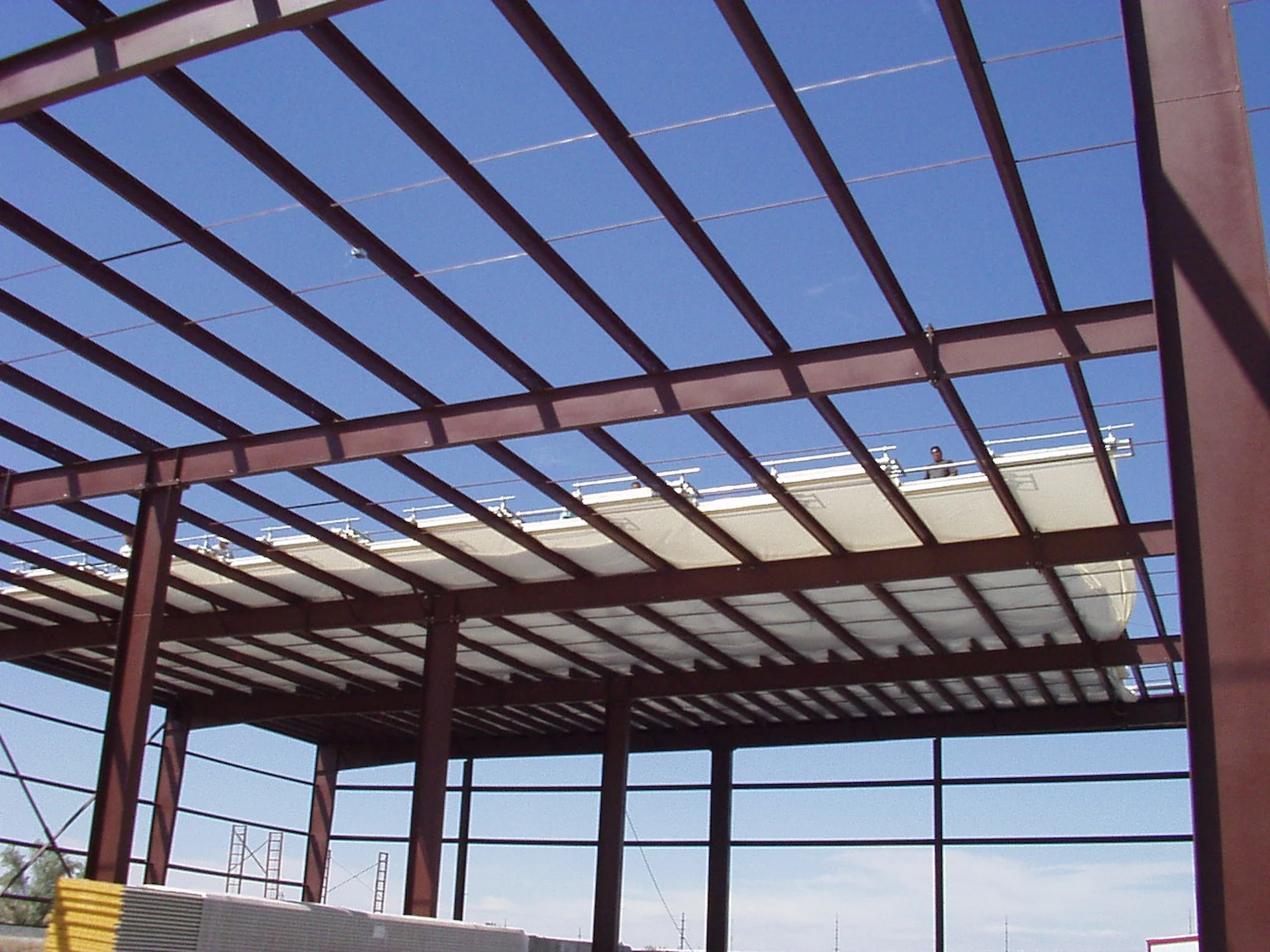
Understanding Metal Roof Interior Corrosion: The Silent Destroyer
Rust is a simple chemical reaction: iron + oxygen + moisture = corrosion. But the environment inside your building is what accelerates it.
Warm, humid air rises naturally. When that air hits a cold metal roof panel (especially during colder months) it condenses instantly. This is called interstitial condensation in metal roofs, and it’s the starting point of most hidden damage. Now that moisture has nowhere to go.
It sits on the underside of the panels, creating the perfect conditions for oxidation. Over time, this leads to interior corrosion on your metal roof, completely bypassing any exterior coatings designed to protect the roof. In more advanced cases, you’ll see:
- Galvanic corrosion in steel buildings, where different metals (like fasteners and panels) react with each other in the presence of moisture
- Accelerated deterioration around seams, screws and structural connections
- Persistent damp conditions that worsen over time
And because this happens out of sight, it often goes unnoticed until the damage is already significant.
Common Causes of Underside Rust in Metal Roofing
If your metal building is experiencing underside rust, there’s almost always a combination of factors at play. The biggest one is moisture getting trapped where it shouldn’t be. Here are the most common contributors:
- Lack of a proper vapor barrier
Without a continuous vapor barrier, indoor humidity moves freely into the roof cavity. Once it hits cold metal, condensation forms immediately.
- Poor ventilation
If moist air can’t escape, it builds up. Over time, this leads to persistent condensation and eventually rust.
- Installation gaps and damage
Scratches on panel coatings, improper sealing or poorly installed seams create entry points for moisture.
- Incompatible materials
Using the wrong fasteners can trigger galvanic corrosion in your buildings, especially in damp conditions.
- Insulation that holds moisture
One of the biggest hidden issues is trapped moisture in fiberglass insulation. When insulation absorbs moisture instead of controlling it, it becomes part of the problem.
What Interior Corrosion Is Actually Doing to Your Building
This isn’t just about rust but about long-term damage and rising costs. Left unchecked, interior corrosion can lead to:
- Structural weakening of roof panels and supports
- Increased maintenance and repair expenses
- Reduced building lifespan
- Higher energy costs due to lost insulation performance
- Safety risks from deteriorating materials
And then there’s the issue many owners recognize immediately. Condensation dripping from the ceiling. It’s one of the clearest signs your building is dealing with uncontrolled moisture. But it doesn’t have to be that way.
How to Insulate a Metal Roof from the Inside to Stop Condensation
If you want to stop metal roof interior corrosion, you need to eliminate the conditions causing the rust. That starts with insulation done correctly.
Step 1: Block moisture with a vapor barrier
A continuous vapor barrier prevents warm, moist air from reaching the metal surface. This is your first line of defense.
Step 2: Eliminate air gaps
Air gaps are where condensation forms, but sealing those gaps incorrectly can create even bigger problems. Spray foam is often used for this purpose, but in metal buildings it introduces a significant long-term risk. Because it bonds directly to the metal panels, it creates an air-tight layer that can trap moisture against the surface. Once moisture gets in through fasteners, seams or minor leaks (as it inevitably does over time) it has no path to escape or dry.
This turns the insulation layer into a hidden corrosion zone, allowing rust to spread unchecked behind the foam while remaining completely invisible from the interior. By the time issues are discovered, damage is often far more advanced and costly to repair.
Another major drawback is loss of visibility. Once spray foam is applied, the roof panels, seams and fasteners are no longer accessible for inspection. This removes your ability to catch early warning signs of failure, one of the most critical factors in preventing structural damage.
On top of that, spray foam performance is highly dependent on installation conditions. Variations in temperature, surface preparation or application quality can lead to poor adhesion, gaps or voids, reintroducing condensation risks and further increasing the likelihood of hidden moisture problems.
Step 3: Use a system designed for metal buildings
This is where fiberglass insulation systems (like our retrofit system) come in. Unlike spray-applied systems that seal and conceal the roof surface, laminated fiberglass insulation is designed to manage moisture without trapping it directly against the metal. Paired with proper vapor facings and installed directly beneath panels for full coverage. Because the metal surface remains accessible, building owners can continue to inspect panels, seams and fasteners over time, reducing the risk of hidden corrosion and allowing issues to be addressed early, before they become costly failures. The result is a bright, clean, professional interior that replaces the typical dark, exposed metal look. And most importantly, installation happens from the inside, with no need to remove your roof panels or shut down operations.
Step 4: Address thermal bridging
Metal conducts heat extremely well, which leads to thermal bridging effects. This is where heat transfers directly through the structure, creating cold surfaces that attract condensation. Proper insulation reduces this effect, stabilizing temperatures and preventing moisture from forming in the first place.

How to Keep a Metal Roof from Rusting (Interior and Exterior Solutions)
Stopping rust requires a combination of interior control and exterior maintenance. Inside your building, you need to control the humidity levels, vent your bathroom and kitchen outside, and ensure your insulation and vapor barriers are functioning properly.
Outside your building, you should keep the gutters clear, remove any debris that traps moisture and regularly inspect coatings and reapply protective finishes when needed.
It’s especially important to use insulation systems that do not conceal or trap moisture at the metal surface, as hidden corrosion is significantly more difficult and costly to address than visible issues.
Here’s the key takeaway: exterior fixes won’t solve an interior condensation problem. You have to address the root cause.
Can a Roofer Do My Roof When It’s 45 Degrees Out?
Yes, metal roofing systems can typically be installed or repaired in temperatures below 40°F without compromising performance.
However, some materials (like sealants or spray foam insulation) may require specific temperature ranges to cure properly. Always confirm product requirements before scheduling work in colder conditions.
When to Seek Professional Help for Metal Roof Rust
Not all rust is equal. Surface rust can often be treated. But if you’re seeing signs like soft or weakened panels, widespread corrosion around seams or fasteners, persistent condensation and dripping or interior water stains, it’s time to bring in a professional.
Experts use tools like moisture meters and thermal imaging to detect hidden issues before they become structural failures.
Stop the Problem at Its Source
Metal roof interior corrosion isn’t just a maintenance issue; it’s a system failure caused by uncontrolled moisture. The good news? It’s completely preventable.
With the right insulation strategy, you’re not just improving comfort. You’re protecting your building, reducing long-term costs and extending the life of your structure. It’s not just insulation. It’s a smart investment.
FAQs – Frequently Asked Questions
Why is your metal ceiling rusting?
Your ceiling is likely rusting due to condensation forming on the underside of metal panels. Warm, moist air rises, hits cold metal, and turns into water, leading to corrosion over time.
How to insulate a metal roof from the inside?
The most effective approach includes a continuous vapor barrier, proper insulation (like spray foam or fiberglass systems) and eliminating air gaps where condensation forms.
How to keep a metal roof from rusting?
Control interior humidity, install proper insulation, maintain ventilation and regularly inspect exterior surfaces. The key is preventing moisture buildup before rust starts.
Can condensation damage a metal roof?
Yes. Long-term condensation leads to metal roof interior corrosion, structural weakening and costly repairs if not addressed early.
