
Post Summary: Skipping insulation might seem like a cost-saving move upfront, but the hidden expenses add up fast, including higher energy bills, overworked HVAC systems, condensation-driven corrosion, damaged inventory, and reduced property value. This post exposes the ongoing costs that uninsulated metal building owners quietly absorb every year and makes the case that proper insulation isn’t just a comfort upgrade, it’s a financial necessity.
If you own a metal building or you’re thinking of building one, you may have asked yourself, “Do I need to insulate my metal building?”
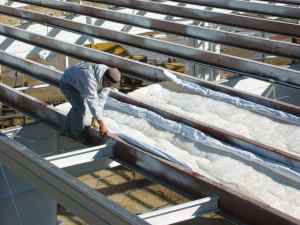
On the surface, insulation can seem like a nice extra, right? It’s something that makes the space more comfortable, but might not seem essential. However, the truth is, skipping insulation can end up costing you far more in the long run.
Without proper metal building insulation, energy bills climb, heating and cooling systems work overtime, and condensation can create serious problems like rust or mold. On top of that, uncomfortable indoor temperatures can slow down work and reduce productivity. These hidden costs add up quickly. This often outweighs the upfront cost of insulating or retrofitting your building.
So, in this post, we’ll take a closer look at what really happens when steel building insulation is overlooked, and why insulating now can save you money, protect your equipment and extend the life of your building.
No Metal Building Insulation Means Higher Energy Bills
Steel is a great building material for strength and durability, but sadly, it doesn’t do much to block outside temperatures. In fact, metal conducts heat and cold faster than most other materials, which means a metal building without insulation can feel like an oven in the warmer months and an icebox in the colder ones.
To keep things comfortable, heating and cooling systems have to work nonstop. That extra strain not only drives up your monthly energy bills, but it also wears out HVAC equipment faster. The short-term savings of skipping insulation are quickly gone when utility costs climb season after season.
With good metal building insulation, indoor temperatures stay more consistent, equipment doesn’t have to work as hard and energy costs are much easier to manage. In many cases, the money saved on utilities ends up paying for the insulation itself.
No Metal Building Insulation Means Extra Wear and Tear on Equipment
We touched on this above, but let’s talk about it more in-depth. When a steel building isn’t insulated, heating and cooling systems are forced to work harder than they should. Every time outside temperatures swing, the system has to kick into overdrive to keep the space livable. That constant cycle puts a lot of unnecessary stress on the equipment that’s designed to run efficiently, not endlessly.
This can mean more repairs, higher maintenance costs and even a shorter lifespan for expensive units. Replacing HVAC systems sooner than expected is a major expense, and one that can often be avoided if you just get proper metal building insulation. The insulation helps everything run more smoothly and last longer.
No Metal Building Insulation Means Condensation and Moisture Damage
One of the biggest challenges with uninsulated metal buildings is condensation. This is when warm, humi
d air inside the building meets the cooler surface of the steel walls or roof, and moisture forms. Over time, that buildup can cause some serious damage.
Condensation doesn’t just leave behind damp spots, too. It creates the perfect environment for rust, mold and mildew. Stored equipment and inventory can be ruined, structural components can weaken and repairs can become an ongoing expense. In some cases, water damage ends up costing more than the original building upgrades would have.
Installing proper metal building insulation is one of the easiest ways to prevent these problems. By keeping temperatures more balanced and reducing the chance of moisture buildup, insulation protects both the structure and everything inside it.
No Metal Building Insulation Means Lost Productivity and Comfort
Comfort plays a bigger role in productivity than most people realize. So, that means in an uninsulated steel building, the heat and cold can make it tough for anyone to focus, much less stay efficient throughout the day. If the building is used for storage, this can also ruin items. When temperatures swing to the extreme, it’s not just uncomfortable. It can also affect safety and overall morale.
Employees who are too hot or too cold are more likely to take breaks, slow down or even call out sick. Over time, those dips in productivity can cost a business more than the investment in proper metal building insulation. A well-insulated workspace creates steady, manageable conditions that help everyone stay focused, safe and comfortable, which directly supports better results.
The ROI of Steel Building Insulation
A common question we hear is, “Can you insulate a metal building after it’s already built?” The answer is yes. Retrofitting is not only possible, it’s often one of the smartest upgrades a building owner can make. If you’re interested in a cost savings analysis, we have a pretty accurate tool that will give you estimates based on how much insulation you add to your building. Contact us here for more information.
While insulation does require an investment in the beginning, the payback comes in many forms. You’ll see it in lower energy bills, less stress on your HVAC equipment and a more comfortable space for everyone inside. These savings add up month after month, too. This might even cover the cost of insulating, over time.
Steel building insulation also offers long-term peace of mind. By controlling moisture and temperature, insulation helps extend the life of the structure and protects what’s stored inside. It’s a practical step that keeps the building performing at its best for years to come.
Skipping insulation in a metal building may seem like a way to save money upfront, but the hidden costs tell a different story. Higher energy bills, extra strain on equipment, moisture damage and lost productivity can add up quickly—and often end up costing more than proper insulation would have in the first place.
Metal building insulation isn’t just about keeping a space more comfortable. It’s an investment in protecting the structure, extending the life of equipment and creating an environment that supports productivity. When added up, the return on this investment is clear.
If you’ve been asking, “Do I need to insulate my metal building?” The answer is yes, and it’s never too late to start. Reach out to CMI Insulation to learn more about steel building insulation and retrofitting options that can save money while protecting your building for the long haul.
