
Post Summary: Retrofit insulation is one of the fastest-payback investments a metal building owner can make. By reducing heat transfer through walls and roofs, a properly installed system lowers energy bills, reduces HVAC strain, and cuts maintenance costs, often paying for itself within a few years. This post breaks down the specific ways retrofit insulation saves money, from monthly utility reductions to long-term equipment and structural protection.
If you own or manage a building, you already know how quickly the costs stack up. Energy bills climb higher every year, HVAC systems age out and demand expensive replacements, and roofing projects can eat through a capital budget fast. But not every improvement has to be disruptive or cost-heavy to deliver a real return.
One upgrade that often gets overlooked is insulation. Retrofiting insulation systems is when you adding or upgrade your insulation, and it can completely change the way your building performs. For metal and steel buildings, especially where drafts, condensation, and uneven temperatures are common, metal building insulation can be one of the smartest long-term investments you’ll make.
At CMI Insulation, we specialize in retrofit solutions designed to be simple, durable, and even DIY-friendly. Our systems help building owners lower energy use, improve comfort, and protect their structures without the hassle of major construction. In the following sections, we’ll walk through why retrofit insulation belongs right alongside HVAC, roofing, and LED lighting upgrades as one of the highest-ROI capital improvements you can make.
What Is Retrofit Insulation (And Why It Matters for Existing Metal Buildings)?
Retrofit insulation simply means adding or upgrading insulation in a building that’s already been constructed. Instead of starting from scratch, it improves what’s already in place. This helps the building perform more like a modern, energy-efficient space.
This upgrade is especially important for older metal and steel buildings, which often went up with little to no insulation. Over time, that can lead to high energy bills, condensation problems, and uncomfortable hot or cold spots. By installing a retrofit insulation system, owners can refresh their building’s efficiency without tearing everything down.
Retrofit insulation can be added in many areas. So, this means the walls, ceilings, attics, and even the roof. Knowing how to insulate an existing metal building roof is particularly valuable, since a large portion of heat gain and loss happens overhead. With the right system, the building stays cooler in summer, warmer in winter, and even protected from moisture that can shorten its lifespan. In short, retrofitting insulation brings lasting comfort, lower operating costs, and better long-term health for the building itself.
Why Retrofit Insulation Belongs in the Same Conversation as HVAC, Roofing, and LED Upgrades
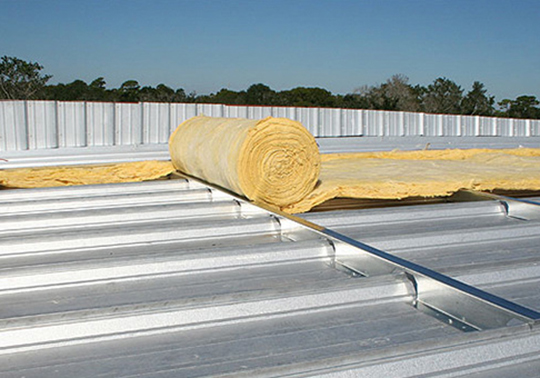
When talking about capital improvements, upgrades like HVAC systems, roofing projects, and LED lighting often come to mind first. Each has its place, but they also come with limitations. HVAC replacements are a major investment and can cause downtime during installation. Roofing is essential for protection, but it doesn’t directly reduce ongoing utility costs. LED lighting upgrades are efficient but only affect a portion of a building’s energy use.
A retrofit insulation system fits right into this conversation, offering benefits that reach far beyond a single line item. Unlike HVAC or lighting alone, insulation impacts heating, cooling, acoustics, and even the overall look of a space. For older steel and metal buildings, adding or upgrading metal building insulation helps reduce energy loss, creates a more comfortable environment, and even brightens interiors when reflective facings are used.
What sets insulation retrofits apart is their value. They tend to be more affordable than replacing mechanical systems or roofing, and they create savings that last year after year. With CMI’s solutions, the process is less disruptive, too. Systems are created for easy installation, making it possible to upgrade without the headaches of large construction projects. It’s a smart, high-ROI improvement that deserves a place alongside the big-ticket upgrades.
The Potential Downsides of Retrofit Insulation (And How to Avoid Them)
The main disadvantage of retrofit insulation is the risk of moisture migration if it’s not installed correctly. When condensation forms inside walls or roofing, it can damage building materials and reduce the insulation’s effectiveness. Modern systems with built-in vapor barriers, like those from CMI, are designed to prevent this issue and keep structures protected.
Proper ventilation and vapor control are key to a successful retrofit insulation system. Using high-quality materials and following correct installation methods ensures that insulation improves efficiency without creating new problems. Concerns about cost or disruption are also common, but CMI’s systems are engineered to minimize both. Their lightweight, easy-to-handle design means less downtime and no need for large crews, making metal building insulation upgrades practical, affordable, and worry-free.
The Payoff: 5 Key Benefits of a Retrofit Insulation System
Upgrading with a retrofit insulation system delivers both comfort and a strong return on investment. Key benefits include:
- Lower Energy Costs Year-Round
- Improves thermal efficiency and reduces heating and cooling demand.
- Can save up to 20–25% on energy bills.
- May allow for smaller, more efficient HVAC upgrades in the future.
- Comfortable, Consistent Indoor Environments
- Eliminates drafts, cold spots, and uneven temperatures.
- Creates a more pleasant space for employees or tenants.
- Quieter, Brighter Interiors
- Reflective facings improve natural lighting and reduce artificial lighting needs.
- Reduces sound transmission by up to 60%, creating a quieter environment.
- Stronger Property Value & Longevity
- Protects metal building structures from condensation and moisture damage.
- Extends the lifespan of walls, roofs, and other building components.
- Supports long-term resale value.
- A Green, Low-Carbon Upgrade
- Lowers energy consumption and associated emissions.
- Helps buildings meet sustainability and efficiency goals.
The CMI Difference: A Retrofit System You Can Install Yourself
CMI’s retrofit insulation systems are designed to make building upgrades simple, efficient, and cost-effective. The materials are lightweight and pre-cut, making it possible for one person to handle most installations without the need for large crews or specialized equipment. This approach keeps disruption to a minimum and helps control costs while still delivering professional-quality results.
Durability is another key advantage. CMI’s insulation products feature tough facings that resist tears and damage during installation, and they’re built to last in the conditions typical of metal and steel buildings. The systems work in walls, ceilings, attics, and roofs, making them ideal for older structures or spaces with irregular surfaces. Knowing how to insulate an existing metal building roof is easy with these engineered solutions.
Beyond ease and durability, these systems improve comfort and performance. They enhance thermal efficiency, reduce drafts, and add acoustic benefits, while reflective facings can brighten interiors and lower energy use. With CMI, retrofit insulation becomes a practical, high-ROI improvement that protects the building, reduces energy costs, and makes spaces more comfortable and functional, all without the hassle of a major construction project.
Ready to Upgrade? Start with CMI’s Retrofit Solutions
Investing in a retrofit insulation system is a smart, cost-effective way to improve any metal or steel building. It delivers long-term energy savings, boosts comfort, protects the structure, and can be installed with minimal disruption. Compared to other capital improvements, insulation retrofits offer a high return on investment while enhancing both performance and value.
CMI is the trusted choice for metal building insulation and steel building insulation, providing durable, DIY-friendly systems that make upgrades simple and efficient. For the building owners looking to reduce energy costs, improve comfort, and safeguard their structures, CMI’s solutions are a practical, high-performance option.
Take the next step today: explore our retrofit system product pages, get in touch for a personalized quote, and start upgrading your building with a solution designed to last.
FAQ About Retrofit Insulation
How effective is retrofitting insulation?
A properly installed retrofit insulation system can dramatically improve a building’s performance. For metal and steel buildings, it can reduce your heat loss in the winter and heat gain in summer, which can also lower energy costs.. Beyond savings, it creates a more comfortable environment, protects the structure from moisture, and even enhances lighting and acoustics when reflective facings are used.
Will adding insulation trap moisture?
Moisture is a common concern, especially in older buildings. When insulation is installed incorrectly, condensation can form and damage walls or roofing. CMI’s systems are designed with integrated vapor barriers and proper ventilation guidance to prevent this. This ensures the building stays dry and protected while maintaining energy efficiency.
What parts of a building are best for an insulation retrofit?
Walls, ceilings, attics, and roofs are all ideal areas for a retrofit upgrade. Installing insulation in these locations improves thermal performance, reduces drafts, and protects the building’s structure. CMI’s systems are particularly well-suited for insulating an existing metal building roof and large wall surfaces commonly found in steel buildings.
How do I know if CMI’s system is right for my building?
CMI’s retrofit insulation is engineered for flexibility and ease of installation. It works on a range of metal and steel buildings, including older or irregular structures. With lightweight, pre-cut materials, it can often be installed by one person, minimizing disruption and keeping costs down.
