
Post Summary: Metal buildings and pole barns are both popular choices for workshops, storage, and agricultural use, but they differ significantly in structure, cost, durability, and insulation needs. This post breaks down the key differences between the two building types, including framing, longevity, and how pole barn insulation requirements change depending on which structure you choose, so you can make a more informed decision for your project.
If you’re in the market for a new building and need something up quickly, you’ve probably run into two main options: a metal building or a pole barn. Both are widely used for agricultural, storage, and even residential purposes, but they’re not the same. So, what is a pole barn, and how does it really compare to a steel building?
Let’s break it down.
What Is a Pole Barn?
A pole barn (also called a pole building) is a structure built using large wooden posts that are either buried in the ground or set in concrete. Horizontal girts are attached to these poles, and from there, the roof and siding are added. This kind of pole building framing allows for faster builds with fewer materials and fewer costs.
Pole barns are a very popular choice for farmers and homeowners alike because they’re affordable, flexible in design, and easy to build. In fact, many pole barn kits are available for DIYers who want to keep labor costs down and get their building up fast.
What Is a Metal Building?
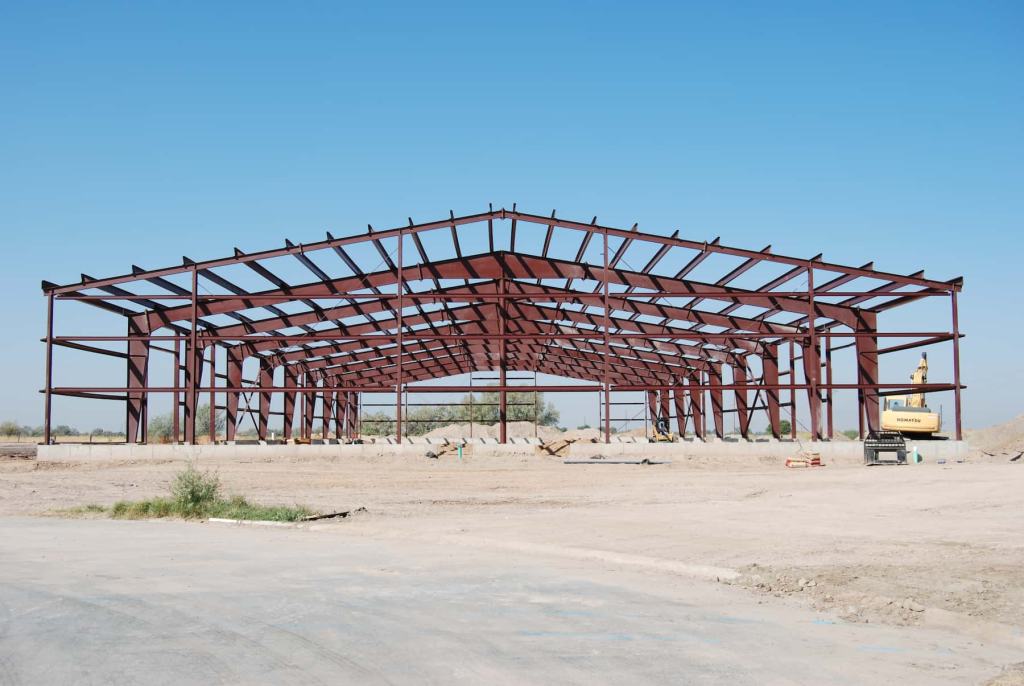
A metal building uses a rigid steel frame system. This type of construction always requires a poured concrete foundation, which is one of the reasons metal building pricing tends to be higher upfront. Once the foundation is complete, steel framing and wall panels are bolted together to form the structure.
Steel building pole barns are often the go-to for larger builds or for those who want maximum durability with minimal maintenance.
Pole Barn vs Metal Building: What are the Key Differences?
So what’s the real difference between a pole barn and a metal building? Let’s do a side-by-side comparison:
Cost and Foundation
- Pole barn cost is typically lower because it doesn’t require a full foundation. You can set posts directly into the ground, which cuts down on materials and labor.
- A metal pole building needs excavation, concrete, and more equipment. So, the initial price tag will be a bit higher.
Framing Materials
- Pole barns use wooden poles and trusses, while metal buildings rely on steel frames.
- Steel buildings are often stronger and longer-lasting, but wood-framed barns are easier to modify over time.
Durability
- Steel holds up better against pests and fire, which is why some prefer metal barn kits in wildfire-prone areas.
- Pole barns, when properly maintained, also stand up to the elements, but they may require more upkeep in the long run.
Ease of Construction
- Pole barns are simpler to build, even for beginners. That’s why they’re common choices for anyone looking into pole construction house projects.
- Metal buildings are more complex but offer better scalability for large builds.
Insulation, Condensation, and Interior Climate
- No matter which type of building you choose, insulation is a must, and not just for temperature control. Because both metal buildings and pole barns typically use exterior metal sheeting, managing condensation is critical. Without the right vapor barrier in place, moisture can build up inside the structure and lead to serious problems, like mold, mildew, and damage to your interior finishes or stored items.
- Insulation with built-in condensation control helps protect the structure from the inside out, especially in areas with temperature swings or high humidity. Skipping this step can cost you down the road. So, it’s worth getting it right the first time.
CMI Insulation can help keep both types of buildings energy efficient and protected from extreme temperatures with the right insulation.
When to Choose a Pole Barn vs. a Metal Building
Pole barns are a great fit if you’re working with a smaller footprint, a tighter budget, or you’re hoping to handle some of the build yourself. Their simple design and flexible framing make them easier to construct without heavy machinery, which is part of what makes them so popular for personal projects and agricultural use.
On the other hand, if you’re thinking long-term and want something that can stand up to just about anything, a steel building might be the better route. They’re ideal for larger-scale builds, require less maintenance over time, and offer more durability in the face of pests, fire, and severe weather.
At the end of the day, it’s not about which option is “better.” It’s about what works best for your goals, your site, and your budget.
Still have questions? That’s okay. CMI Insulation is here to walk you through the process. From framing to energy-saving insulation, we’ve helped homeowners and builders across the U.S. find the best solution for their budget and building goals.
Whether you’re leaning toward a classic metal pole barn or starting a custom pole construction house, we’ll help you protect what matters most, inside and out.
