Post Summary: Uninsulated metal buildings come with higher energy bills, uncomfortable temperatures, condensation issues, and an uninviting interior, all of which make them significantly harder to lease in today’s commercial market. Tenants increasingly expect energy-efficient, comfortable spaces, and buildings that can’t deliver sit vacant longer and command lower rents. This post explains how a lack of insulation in your steel building directly impacts tenant appeal, lease rates, and long-term vacancy risk for commercial property owners.
Owning a building that isn’t properly insulated can feel like a constant uphill battle. Tenants complain about high energy bills, rooms that are too hot in the summer or even too cold in the winter, and the space just doesn’t feel comfortable. Those complaints often turn into longer vacancies, higher turnover and lost rental income; problems that directly hit your bottom line.
Upgrading your insulation isn’t just a maintenance task; it’s also a really strategic investment. Adding retrofit insulation or improving your building’s existing systems can make your property more comfortable, more energy-efficient and far easier to lease.
In this guide, we’ll break down the hidden costs of uninsulated buildings, explore practical insulation solutions, show how these upgrades can pay for themselves and offer tips for marketing your improved property to attract responsible, long-term tenants. By the end, you’ll see how a few targeted improvements can transform an underperforming building into a premium, easy-to-lease asset.
The Hidden Costs of Uninsulated Buildings
Uninsulated buildings can quietly drain both income and tenant satisfaction. When walls, roofs or attics aren’t properly insulated, heating and cooling systems often have to work a lot harder to keep indoor temperatures comfortable. That usually translates into high energy bills, which renters notice and often consider when deciding whether to stay or leave.
Temperature swings are another problem. Rooms that are too hot in summer or too cold in winter make working spaces uncomfortable. Tenants may tolerate it for a short time, but persistent discomfort quickly leads to complaints and higher turnover. On top of that, poor insulation can make sound travel easily, creating noise issues that can frustrate occupants and damage reviews.
Investing in retrofit insulation or a full upgrade is a great way to protect revenue and enhance property value. Upgrading walls, attics or metal building insulation systems improves comfort, reduces energy costs and positions a building as a more desirable rental. These changes can shorten vacancy periods, attract responsible tenants and turn an underperforming property into a premium asset that leases faster.
What Happens if a Building Has No Insulation?
A building with no insulation struggles to maintain a comfortable temperature year-round. Summers can feel sweltering, winters can be bitterly cold and heating or cooling costs can quickly skyrocket. Without proper insulation, moisture can build up, creating mold and other damage. In some areas, the building may not meet legal habitability standards, putting landlords at both financial and legal risk.
Why Uninsulated Buildings Are a Revolving Door for Tenants
Uninsulated buildings often struggle to keep tenants for more than a short term. High utility bills from inefficient heating and cooling systems can frustrate renters, while rooms that are too hot, too cold or drafty create a living space that feels unpredictable and uncomfortable.
Noise is another factor. Without proper insulation, sounds travel easily, making it hard for tenants to enjoy quiet and privacy. These issues together can lead to complaints, negative online reviews and a reputation that makes it harder to attract new renters.
When tenants leave sooner than expected, vacancies last longer and rental income drops. Upgrading insulation (through a metal building insulation retrofit or other retrofit insulation solutions) can stabilize indoor temperatures, reduce noise and create a more comfortable environment. The result is a property that leases faster, keeps tenants longer and earns a better return.
Legal & Financial Risks for Property Owners
Uninsulated buildings can create more than comfort issues. They can also introduce risk for property owners. In many areas, buildings are expected to meet basic standards for heating, cooling and overall habitability. When insulation is lacking, maintaining those standards can be difficult, which may lead to increased scrutiny from local housing authorities.
Beyond regulatory concerns, poor insulation contributes to faster wear and tear on the property. Moisture buildup, mold growth and even pest problems are more likely when walls, roofs and attics aren’t properly insulated. Over time, these issues can increase maintenance needs and repair costs, affecting the overall performance of the building.
Addressing insulation proactively helps stabilize indoor temperatures, protect the property and support tenant satisfaction, making the building a more reliable and attractive asset. Retrofit insulation systems, including options for metal buildings, are a practical way to strengthen the property while improving long-term durability.
How to Upgrade Your Building: Retrofit Insulation Solutions
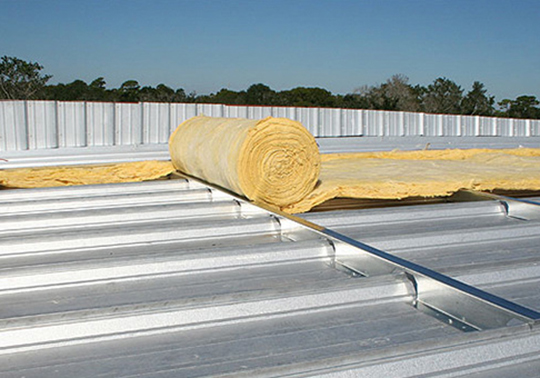
Older metal buildings don’t have to stay drafty, uncomfortable or expensive to heat and cool. Installing a retrofit insulation system is one of the smartest ways to improve energy efficiency, comfort and tenant appeal. For commercial buildings, pole barns or steel structures that weren’t originally insulated or need an upgrade, retrofit systems provide a fast, effective solution.
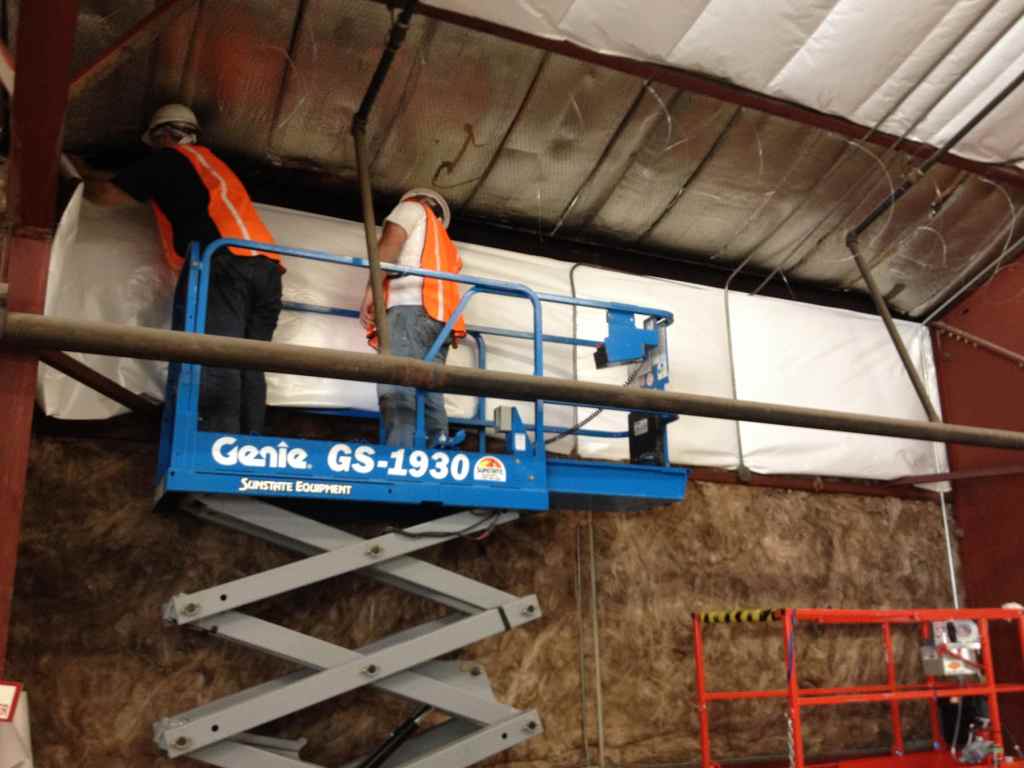
What is a Retrofit Insulation System, though? A retrofit insulation system is designed to add thermal protection to an existing building. These systems fit neatly between structural supports, like purlins, without requiring major construction or large crews. They help regulate indoor temperatures, reduce energy costs and create a cleaner, more finished interior that tenants notice and appreciate.
Why Retrofit Systems Are Trusted for Warehouses & Commercial Buildings
- Can be installed quickly, often by a small team or even a single installer
- Provides a smooth, professional-looking interior
- Secures insulation in place with a simple, reliable fastening method
- Uses durable, high-performance materials built to last
Benefits of Retrofitting Your Building
- Energy Savings: Cut heating and cooling costs year-round
- Consistent Comfort: Reduce drafts and maintain steady temperatures
- Improved Interior Brightness: Some systems include reflective surfaces that enhance lighting
- Increased Property Value: A finished, well-insulated interior is more appealing to tenants and buyers
- Potential Incentives: Energy-efficient upgrades may qualify for federal tax deductions or utility rebates
Retrofit insulation from CMI turns underperforming metal buildings into energy-efficient, comfortable and appealing spaces. For property owners, it’s a practical upgrade that pays off in energy savings, tenant satisfaction and long-term property value.
Marketing Your Upgraded Property
Insulation upgrades aren’t just about comfort; they can be a powerful marketing tool. Highlighting energy-efficient walls, roofs or metal building insulation retrofit systems in rental listings immediately signals to potential tenants that the property is comfortable and cost-conscious. Simple phrases like “energy-efficient,” “quiet and comfortable” or “low utility bills” catch attention and set your building apart from the competition.
During property tours, pointing out insulation improvements can reinforce the value of the upgrade. Tenants notice consistent temperatures, reduced drafts and a quieter space, which can make a strong impression and justify higher rent or longer leases.
Investing in insulation shows that the property is cared for and well-maintained. This not only attracts tenants who prioritize comfort and efficiency but also encourages longer stays, lower turnover and better overall reviews, helping the building perform better in the long term.
Uninsulated buildings can quietly drain income, make leasing more difficult and frustrate tenants. Upgrading with retrofit insulation systems, from walls and attics to full metal building insulation retrofit solutions, turns that liability into a competitive advantage. Even small improvements can make a noticeable difference in comfort, energy efficiency and tenant satisfaction, while larger retrofits can boost occupancy and increase property value.
Investing in insulation isn’t just maintenance; it’s a strategic step that makes the property more appealing, reduces turnover and positions it as a premium rental. Call CMI Insulation and upgrade today.
Frequently Asked Questions
Can retrofit insulation really make my building easier to lease?
Yes, upgrading insulation improves comfort, reduces energy costs and positions your property as a premium rental, attracting tenants willing to pay more.