
Post Summary: Energy codes have gotten significantly stricter in recent years, and many older metal buildings no longer meet current IECC standards for insulation and thermal performance. A retrofit insulation upgrade is one of the most practical ways to bring your building into compliance, without major demolition or reconstruction. This post explains what today’s codes require, where older buildings typically fall short, and how the right retrofit can help you avoid fines while improving efficiency and comfort.
Rising energy costs and tighter building codes are putting pressure on building owners to make sure their structures are up to standards. One of the most effective ways to do that is with a retrofit insulation upgrade. This means adding or improving insulation in an existing building rather than starting from scratch, which can save both time and money.
Metal buildings have their own set of challenges when it comes to insulation. Heat can transfer quickly through metal panels, condensation can create moisture problems and the structure itself sometimes limits where and how insulation can be installed. Because of these factors, a thoughtful metal building insulation retrofit isn’t just about tossing in some new material. It’s about choosing the right system for your building, protecting it from moisture and making sure it meets current energy codes.
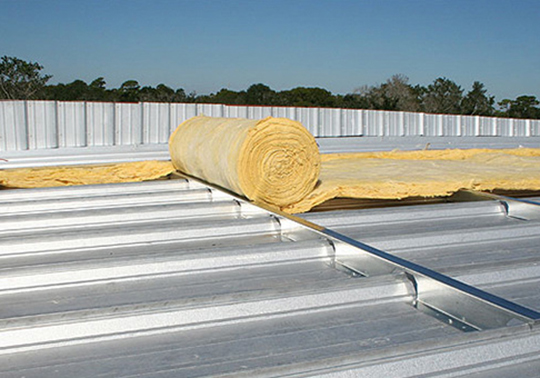
In this guide, we’ll walk through practical steps for upgrading your insulation without tearing down walls or roofs. You’ll learn what materials work best, how to avoid common pitfalls and how to bring older metal structures up to modern standards, saving energy, improving comfort and staying on the right side of the code.
What Is Retrofit Insulation and Why It Matters for Metal Buildings
Retrofit insulation is all about upgrading or adding insulation to a building that’s already standing. Instead of starting from scratch, it improves how the structure holds heat in winter and keeps it out in summer. For metal buildings, this can make a huge difference. Metal transfers heat quickly, so without proper insulation, interiors can feel drafty, uneven in temperature or even uncomfortably hot in the summer.
Metal buildings also bring some unique challenges. Condensation can form on walls and ceilings if your insulation isn’t installed correctly. This can create moisture issues and potential corrosion. Noise is another factor to think about. Metal panels can make sounds echo, and the right insulation can help soften that. Addressing these challenges with a thoughtful metal building insulation retrofit improves comfort, protects the structure and helps the building meet modern energy codes.
Energy codes are stricter than ever, and falling short can lead to fines or costly retrofits down the road. By investing in insulation now, it’s possible to bring older metal buildings up to standards, reduce energy bills and create a more comfortable, durable space. Good retrofit insulation doesn’t just save energy, it makes the building feel smarter, safer and more efficient.
The Core Benefits of a Metal Building Insulation Retrofit
The main benefits of a metal building insulation retrofit are clear and practical. Proper insulation can really help reduce energy costs by keeping heat inside during cold months and blocking unwanted heat in warmer months. This makes the building more comfortable year-round, with fewer hot or cold spots and a steadier indoor temperature.
Besides comfort, a well-planned retrofit controls moisture and condensation, protecting metal panels from corrosion and reducing the risk of mold. It also ensures the building meets current energy codes, avoiding potential fines and keeping the structure up to modern standards.
There’s also a bigger-picture benefit: retrofitting insulation reduces energy use, which lowers the building’s carbon footprint. This means each upgrade contributes to a more sustainable, efficient building that is good for the budget and better for the environment.
Code Compliance and Avoiding Fines
Energy codes for metal buildings have become stricter, with standards from organizations like IECC along with local regulations, setting clear requirements for insulation and energy efficiency. Older buildings can fall short of these standards. This can sometimes lead to fines or costly emergency upgrades.
A metal building insulation retrofit is a practical way to bring a structure up to code without major demolition. Adding or upgrading insulation can help walls, roofs and ceilings meet modern R-values, improve thermal performance and reduce energy loss. For pre-existing buildings, this often means tackling gaps, improving air sealing and selecting materials that work with the existing structure.
Preventing Moisture and Ventilation Issues
Adding insulation to a metal building can improve energy efficiency, but it also changes how air moves through the structure. Without proper ventilation, the building can become a “sealed box,” trapping moisture that leads to condensation, corrosion and even mold growth. These problems can affect the structure, indoor air quality and comfort.
A well-planned metal building insulation retrofit addresses both insulation and airflow. Simple solutions like ridge vents, exhaust fans and properly installed vapor barriers help keep moisture in check.
By combining insulation with smart ventilation, it’s possible to protect the building, extend its lifespan and create a more comfortable environment. Controlling moisture isn’t just about preventing problems; it also ensures that energy savings from your retrofit are fully realized.
Common Challenges and How to Avoid Them
We’ve touched on this a bit already, but retrofitting insulation in a metal building comes with a few challenges. Most can be avoided with the right approach, though. One common issue is condensation. If insulation or vapor barriers aren’t installed correctly, moisture can collect on walls or ceilings, leading to corrosion, mold or damage to building materials.
Older buildings can also have hidden electrical risks. Recessed lights or outdated wiring that comes into contact with insulation may create hazards if not properly managed. Careful planning and professional installation help reduce these risks and ensure the building remains safe.
Future-Proofing Your Metal Building
Upgrading insulation isn’t just about meeting today’s energy codes; it’s about preparing a building for the future. New metal building insulation retrofit systems are designed with higher R-values, better moisture control and improved durability, so buildings stay comfortable and efficient for years to come.
CMI is at the forefront of these innovations, creating retrofit insulation solutions that combine performance, sustainability and code compliance. By choosing materials and systems built for the future, building owners can protect their investment, lower energy costs and create spaces that are efficient, safe and ready for the next generation of energy standards.
For a building that’s efficient, comfortable and future-ready, reach out to CMI Insulation for a consultation or quote. A retrofit can transform your metal structure into a smarter, more sustainable space without a full teardown.
Choosing the Right Insulation System for Your Metal Building Retrofit
Finding the right insulation for a metal building insulation retrofit is about matching the material to the building’s needs. Each type of insulation has its strengths, and choosing this carefully can make a big difference in comfort, energy savings and code compliance.
- Blanket or batt insulation is a cost-effective option for walls and roofs that are easy to access. It’s simple to install and provides solid R-values, but it works best in open cavities and may not fully address air leaks or condensation.
- Rigid foam boards are great for exterior retrofits or when adding insulation to panels. They offer high R-values, resist moisture and help create a continuous thermal barrier. The downside is that installation can be more labor-intensive, especially if walls need trimming or support framing.
- Spray foam insulation is good for sealing gaps and controlling moisture. It delivers excellent R-values and prevents air leaks, making it a top choice for metal buildings prone to condensation. Installation is more specialized, often requiring professional handling, but it provides long-term performance and energy savings.
CMI Insulation offers retrofit solutions designed specifically for metal buildings. Their systems take into account common challenges like thermal bridging, condensation and irregular panel surfaces, ensuring each retrofit meets energy code standards while improving comfort and durability.
Frequently Asked Questions
How much can you save with a metal building insulation retrofit?
Energy savings vary depending on the building’s size, age and current insulation, but most retrofits reduce heating and cooling costs significantly. Properly installed insulation can cut energy bills by 10–30% while improving comfort and helping the building meet modern energy codes. Over time, these savings often outweigh the upfront investment.
Which retrofit insulation option is best for your metal building?
The right choice depends on the building’s structure and goals. A professional assessment can help match the system to the building’s needs and ensure energy code compliance.
Are there special products for metal building retrofits?
Yes, CMI Insulation offers retrofit solutions designed specifically for metal buildings. Our systems address common challenges like thermal bridging, condensation and uneven panel surfaces. CMI products simplify installation, reduce common errors and help older structures meet current energy codes while improving comfort and efficiency.
