Post Summary: Insulation isn’t just a behind-the-scenes utility; it visibly transforms the interior of a metal building. Retrofit insulation with bright, laminated facings can turn a dark, damp, echo-filled shell into a clean, professional-looking space that improves employee comfort, impresses clients, and reflects well on your business. This post covers how the right insulation upgrade controls condensation, cuts energy costs, reduces noise, and completely changes the look and feel of your building’s interior.
Your metal building isn’t just a place to store equipment or run a workshop; it’s part of how people see your business. A dark, damp or noisy interior can make even a well-maintained operation feel uninviting or unprofessional. That’s why upgrading with retrofit metal building insulation is more than a comfort improvement; it’s an investment in your building, your employees and your reputation.
In this post, we’ll walk you through how metal building insulation retrofit systems can modernize older structures. We’ll cover how the right insulation controls condensation, cuts energy costs, reduces noise and brightens interiors, turning a basic metal shell into a functional, professional space. By understanding your options and planning a retrofit, you can really protect your building and its contents while creating an environment that leaves a positive impression on anyone who steps inside.
The Hidden Costs of an Uninsulated Metal Building
Older metal buildings may seem sturdy from the outside, but without proper insulation, they face hidden challenges that can quietly add up. One of the biggest issues is condensation. Metal walls and roofs “sweat” when warm, moist air inside the building meets cold surfaces. Over time, this moisture can cause rust, mold and damage to tools, equipment or inventory. The cost of replacing any damaged items or repairing the building can quickly outweigh the initial savings of skipping insulation.
Energy efficiency is another concern. Metal is a natural conductor, which means it heats up quickly in the summer and loses heat just as fast in the winter. Older buildings without adequate insulation often rely on overworked HVAC systems to maintain comfort. That adds up to higher energy bills and uneven temperatures inside.
Noise and comfort are easy to overlook, but they matter for anyone who spends time in the building. Rain, wind and outside traffic can feel overwhelming in an uninsulated metal structure, making workdays less comfortable and client visits less inviting. In a business setting, the interior also sends a message; bright, clean and well-maintained spaces create trust and confidence, while dark, noisy or damp interiors can leave the opposite impression. Investing in a metal building insulation retrofit not only protects the building and its contents but also improves energy efficiency, comfort and the way visitors perceive the space.

Retrofit Insulation: A Smart Upgrade for Older Buildings
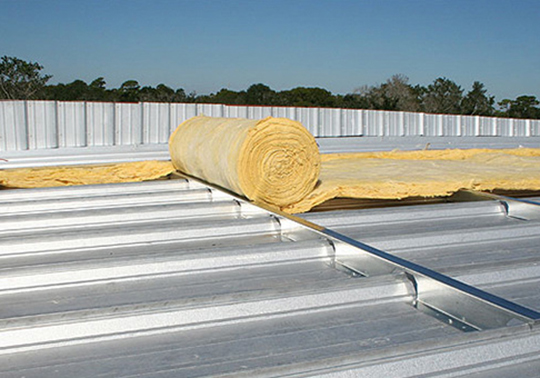
Upgrading an older metal building doesn’t always mean starting from scratch. Retrofit insulation is a way to improve existing structures without tearing everything down. It’s designed to fit inside walls, ceilings and roofs, sealing out moisture, controlling temperature and reducing noise, all while keeping the building’s frame intact.
Compared to building new, a retrofit is often more cost-effective and faster to complete. It minimizes downtime, so the building can stay in use during the upgrade, and it protects the structure from unnecessary changes or damage. That makes it an ideal choice for businesses that rely on their space for work, storage or client visits.
With CMI Insulation retrofit systems, it’s possible to tackle multiple challenges at once. The right metal building insulation improves energy efficiency, keeps the interior comfortable year-round and can even brighten dark, metal-walled spaces. By addressing these factors together, older metal buildings can feel modern, functional and welcoming, all without a major renovation.
Top Metal Building Insulation Retrofit Options
Choosing the right metal building insulation retrofit starts with knowing which system matches the building’s needs. CMI Insulation offers solutions that improve comfort, protect against condensation, lower energy costs and give interiors a professional finish.
- Fiberglass Blanket / Batts are a common choice for general temperature control and affordability. When paired with a white vinyl facing (WMP-VRR), they double as a vapor barrier and interior finish, brightening walls and ceilings. This makes them a great fit for workshops, garages or storage spaces.
- Rigid Foam Board offers a high R-value per inch and is often DIY-friendly. Available in types like EPS, XPS and Polyiso, it’s perfect for wall retrofits in warehouses or commercial buildings, helping prevent heat loss through metal studs and purlins.
- Radiant Barrier / Reflective Insulation works differently by reflecting heat rather than slowing its transfer. It’s particularly effective in hot, sunny climates and is often paired with other insulation types to maximize comfort and energy savings.
By choosing the right CMI metal building insulation retrofit, older buildings can be transformed into spaces that are efficient, comfortable and professional, all while protecting the building and its contents.
Choosing the Right Retrofit System for Your Building
Selecting the right retrofit metal building insulation starts with looking at three main factors: climate, building use and budget. Each plays a key role in how effective the insulation will be and how comfortable the space feels.
- Climate Zone is critical: Buildings in very hot, humid areas need insulation that blocks radiant heat and manages moisture, while colder climates require higher R-values to retain warmth. Understanding your climate helps guide the type and thickness of insulation to use for maximum efficiency.
- Primary Use of the Building also matters: For workshops or garages, noise reduction and comfort are priorities, making fiberglass blankets or spray foam a solid choice. Storage buildings benefit most from condensation control, so a fiberglass system with a vapor barrier works well. Offices, barn, condominiums or commercial spaces need a professional interior, strong air seal and high R-value; closed-cell spray foam meets those needs.
- Budget and Installation play a big part in decision-making. Some systems, like rigid foam boards or certain fiberglass retrofits, are easy for DIY installation, while spray foam typically requires a professional. Thinking about long-term ROI is important: a premium retrofit may cost more upfront but can reduce energy bills significantly over time. For example, a closed-cell spray foam upgrade might cut heating and cooling costs, paying for itself in just a few years while protecting the building and its contents.
Beyond Temperature: Vapor Barriers & Radiant Heat in Retrofits
Insulation in a metal building does more than just control temperature. Vapor barriers are a key part of any retrofit. They prevent moisture from reaching the metal walls and roof, stopping rust, mold and damage to stored items. Without a proper barrier, even well-insulated buildings can suffer from condensation that shortens the life of the structure and the materials inside.
Radiant heat barriers take things a step further by reflecting heat before it enters the building. This is especially important in hot climates, where direct sunlight can make interiors unbearable and force air conditioning systems to work overtime. By combining a radiant barrier with other insulation, energy costs drop and the building stays comfortable year-round.
There’s also an aesthetic benefit. Many retrofit insulation systems include white vinyl or reflective facings that brighten the interior. Light-colored surfaces bounce daylight around the space, reducing the need for any extra lighting and creating a professional, inviting environment. In this way, a thoughtful insulation retrofit improves both function and the way the building feels to anyone who walks inside.
Transforming Interiors: From Dark & Dingy to Branded & Professional
A metal building can be functional without insulation, but a proper retrofit insulation system transforms the space in ways that go beyond temperature control. Dark, damp interiors can feel uninviting, uncomfortable and even unsafe. Adding insulation with bright facings, vapor barriers and reflective surfaces turns these spaces into bright, usable work areas where employees can be comfortable and productive.
For example, a warehouse that once felt cold and echoey can become a well-lit, quiet space ready for operations, client visits or storage without worry of condensation damaging equipment. Workshops and garages gain not just comfort, but a sense of order and professionalism that reflects on the business.
The impact reaches every visitor and team member. Staff feel more comfortable and motivated, clients and customers notice the care taken in the space, and the building itself becomes part of the brand. A well-insulated, modernized interior signals that attention to detail and quality matter, protecting the building, its contents and the reputation of the business at the same time.
Upgrading with the right metal building insulation retrofit does more than improve comfort. It protects your building, safeguards equipment and inventory and creates a space that reflects well on your business. Proper insulation reduces energy costs, controls moisture and makes interiors brighter, quieter and more inviting.
Investing in a retrofit shows attention to detail and care for both the building and the people who use it. It turns an older, dark or noisy metal building into a professional, functional space that supports daily operations and leaves a positive impression on staff, clients and visitors alike.
To make your building work harder for your business, reach out to CMI Insulation. Their retrofit systems can help modernize older structures, improve efficiency and enhance the look and feel of your space, all while protecting what matters most.
FAQs: Metal Building Insulation Retrofit
How much does it cost to retrofit insulation in a metal building?
The cost of a retrofit depends on the type of insulation, the size of the building and whether it’s a DIY project or professionally installed. Fiberglass blanket systems are often the most cost-effective, while spray foam provides a higher upfront investment. Using CMI Insulation systems, it’s possible to calculate a solution that balances performance and budget.
Can insulation be added to a building that’s already in use?
Yes, retrofit insulation is designed for existing metal buildings, so it can be installed without disrupting operations. Whether it’s a workshop, warehouse or office space, insulation can be added to walls, ceilings or roofs while keeping the building functional during the upgrade.
What’s the best way to prevent condensation in older metal buildings?
Condensation is a common challenge in metal structures. Installing insulation with a vapor barrier, like CMI’s retrofit systems, helps stop moisture from forming on walls and ceilings. This protects metal surfaces, stored items and interior finishes from rust and mold.