
Post Summary: Not all insulation methods are created equal, especially for existing metal buildings. Retrofit insulation systems are designed specifically for structures that are already standing, offering faster ROI, lower disruption, and easier installation compared to options like spray foam or full liner system tear-outs. This post compares retrofit insulation against other common approaches and explains why it consistently delivers the best balance of cost, performance, and practicality for metal building owners.
If your metal building feels like a bit of an oven in the summer and an icebox in the winter, you’re not alone. Many building owners deal with the same frustrating cycle of soaring energy bills, dripping condensation, rust spots starting to form and spaces that are too hot or cold to use comfortably. It’s easy to assume that’s just the trade-off for owning a metal structure, but it doesn’t have to be.
These problems usually come down to one thing: insulation that’s no longer doing its job, or maybe no insulation at all. Over time, gaps form, vapor barriers wear out and temperature extremes become harder to control. That’s where updating or adding insulation comes in. Instead of tearing your building apart or investing in expensive equipment upgrades, a retrofit metal building insulation system works with what’s already there. It’s one of the fastest, most affordable ways to cut energy costs, stop condensation and make your building more comfortable, all without shutting down your operations or dealing with major construction.
In the sections ahead, we’ll look at why retrofitting insulation is such a smart investment, how it stacks up against other upgrades and what to expect from the process. If you’ve been putting off improvements because you’re worried about cost or disruption, this is one project that delivers results fast and keeps paying off for years to come.
What Makes Metal Buildings So Hard to Insulate?
Metal buildings are strong, practical and built to last. However, when it comes to insulation, they can be surprisingly tricky. The problem comes down to how metal reacts to temperature. As we talked about, metal conducts heat and cold much faster than materials like wood or concrete. That means in the summer, heat moves right through the panels and in winter, the warmth inside escapes just as quickly. This constant temperature transfer is called thermal bridging, and it’s one of the main reasons metal buildings are so tough to keep comfortable.
Then there’s the issue of condensation. When warm, humid air inside meets the cold metal surface, moisture forms. Over time, those tiny droplets can lead to rust, corrosion and even mold, especially in older buildings without a good vapor barrier. Once that happens, not only is comfort lost, but the structure itself can start to suffer.
That’s where a metal building insulation retrofit makes all the difference. CMI’s retrofit insulation systems are designed specifically to handle the unique challenges of steel construction. Each system includes a built-in vapor barrier to stop moisture before it can form, along with a clean, bright white finish that improves light reflection inside the building. Installation is quick and clean, with minimal disruption. So, there’s no need to remove panels or pause operations. The result is a durable, energy-efficient upgrade that protects your investment and makes your building a lot more comfortable to work in.
The Real Cost of Doing Nothing
Ignoring insulation problems in a metal building doesn’t just make it uncomfortable. It can quietly drain your budget. When insulation starts to fail, heat and cold move freely through the walls and roof, forcing heating and cooling systems to work overtime. That wasted energy shows up month after month in higher utility bills, often without anyone realizing how much is being lost.
Condensation can be even more of an issue. Those small beads of moisture that form on metal panels can lead to rust, corrosion and damage to stored equipment or inventory. Once that process starts, repairs can get expensive, and the building’s value begins to drop. Even noise can take a toll because metal buildings tend to echo, which makes workspaces less productive and more stressful over time.
Here’s what that looks like in real numbers:
| Problem | Long-Term Cost | Preventable With Retrofit Insulation |
| Energy loss | 20–30% higher energy bills | Yes |
| Rust or corrosion | Costly structural repairs | Yes |
| Noise and discomfort | Reduced productivity | Yes |
A retrofit insulation upgrade helps stop these problems before they get worse. It seals in comfort, protects the structure and reduces wasted energy. These improvements start paying off right away and continue to save money for years to come.
The Big Payoffs: Why Retrofit Insulation Delivers the Fastest ROI
Adding or upgrading insulation in a metal building isn’t just about comfort; it’s one of the smartest investments for energy efficiency, protection and long-term savings. A metal building insulation retrofit can pay for itself faster than most other upgrades, and the benefits go far beyond just lowering utility bills.
Slash Energy Bills
A properly installed retrofit insulation system can cut heating and cooling costs by 25–50%. By sealing gaps and including a continuous vapor barrier, CMI’s systems stop unwanted air movement and help maintain consistent indoor temperatures. Custom-fit facings make sure every wall and ceiling is covered, so energy isn’t wasted trying to fight through leaks or thermal bridges.
Stop Condensation for Good
Moisture buildup is a big deal when it comes to metal buildings. Without proper insulation, condensation forms on steel panels, creating rust, corrosion and water damage. CMI’s retrofit insulation systems include vapor barriers and thoughtful moisture management, keeping walls dry and preventing the “dripping ceiling” problem. This protects both the building structure and anything stored inside.
Improve Comfort and Noise Control
Retrofit insulation stabilizes temperatures, making workshops, warehouses or offices far more comfortable year-round. It also helps reduce echo and outside noise, which can make a big difference in workspaces or production areas. A quieter, more controlled environment means tasks get done more efficiently and comfortably.
Boost Property Value and Longevity
Insulation protects the building from long-term wear and tear while making it more appealing to buyers or tenants. By preventing corrosion and reducing energy costs, it enhances resale value and extends the building’s lifespan. Unlike many upgrades, a well-done retrofit metal building insulation system can pay for itself through energy savings alone, while also adding real, lasting value to the property.
Retrofit Insulation vs. Other Building Upgrades
Improving a metal building can mean looking at a lot of different options. This might mean a new HVAC system, LED lighting or even a flooring or interior remodel. Many of these upgrades come with high costs, major disruptions and payback periods that can stretch for years. A metal building insulation retrofit, on the other hand, delivers results fast with minimal hassle.
Insulation upgrades start saving energy the moment they’re installed. By sealing gaps, reducing heat transfer and stopping unwanted air movement, a retrofit insulation system cuts heating and cooling costs right away. Unlike HVAC replacements or flooring projects, it doesn’t require shutting down the building or pausing operations. This makes it a low-disruption way to improve comfort and efficiency.
Beyond energy savings, retrofit insulation protects the structure from rust, corrosion and moisture damage, while improving indoor comfort and even reducing noise. It’s one of the few upgrades that continually pays back over time, making it a smart investment for both immediate savings and long-term building value.
The Best Retrofit Insulation Options for Metal Buildings
Choosing the right type of insulation for your metal building can feel overwhelming, but it doesn’t have to be. A metal building insulation retrofit isn’t one-size-fits-all, so understanding the options helps make sure the investment delivers comfort, energy savings and long-term protection.
- Spray Foam Insulation is excellent at sealing gaps and keeping air from escaping, which makes it a strong choice for irregular surfaces or buildings with tricky angles. It does come with a higher price and requires professional installation, but the energy savings and moisture protection can make it worth the investment.
- Rigid Foam Board provides a high R-value per inch and is especially effective at reducing thermal bridging through steel framing. It works best on walls or ceilings where a continuous layer can be installed, creating a strong thermal barrier that keeps temperature swings under control.
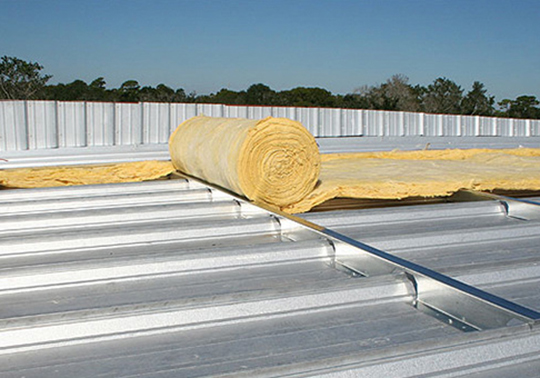
- Fiberglass Systems, like CMI’s specialty offerings, strike a balance between performance and cost. They’re easy to install in existing buildings without major disruptions. The built-in vapor barrier prevents condensation from forming on steel panels, while the bright white facing not only protects the insulation but also improves interior light reflectivity and appearance.
CMI’s retrofit insulation systems are designed for working buildings that can’t afford long downtime. They combine performance, moisture control and quick installation, making them a practical solution that keeps energy costs down, protects the structure and keeps the building comfortable year-round.
What Does a Retrofit Project Look Like?
A metal building insulation retrofit might sound complicated, but the process is actually straightforward and designed to be as low-disruption as possible. Breaking it down into a few clear steps makes it easy to see how it all comes together.
Step 1: Building Assessment
The first step is a careful look at the building. This includes spotting problem areas like leaks, rust, missing insulation or moisture buildup. Understanding the current condition helps ensure the retrofit solves the right problems from the start.
Step 2: System Design
Next comes choosing the right insulation system. Factors like climate, how the building is used and the structure itself guide the selection. Decisions on insulation type, vapor barriers and facings are all made to maximize performance and comfort. We obviously recommend our fiberglass insulation retrofit option.
Step 3: Installation
Installation is designed to be fast and clean. Most retrofit projects are completed without removing exterior panels, so daily operations can continue with minimal disruption. Professional installers make sure every wall and ceiling is properly covered for energy efficiency and moisture protection.
Step 4: Results
Once installed, improvements are immediate. Temperatures stabilize, noise is reduced and energy savings become measurable within the first season. Over time, the building is more comfortable, protected from condensation and far more cost-effective to operate.
Why Choose CMI Insulation for Your Retrofit?
When it comes to retrofit metal building insulation, CMI Insulation specializes in solutions that are designed specifically for steel structures. Every system is built with the unique challenges of metal buildings in mind, from temperature swings to moisture control.
CMI’s metal building retrofit insulation systems offer custom-fabricated options that fit your walls and ceilings perfectly. Built-in vapor barriers stop condensation before it can cause rust or damage, while the bright, clean interior finish improves light reflection and the overall look of the space. Installation is fast and efficient, so daily operations aren’t interrupted and energy savings start immediately.
Beyond comfort and protection, CMI systems deliver a proven return on investment by lowering heating and cooling costs. For anyone considering a metal building insulation retrofit, CMI makes the process simple, reliable and effective. To learn more about available options or to get a personalized quote, visit CMI’s Retrofit Insulation Systems page and request a consultation today.
Frequently Asked Questions About Retrofit Insulation
Is retrofitting wall insulation worth it for a metal building?
Yes, a metal building insulation retrofit can cut energy bills by up to 50%, protect steel panels from rust and corrosion, and make the space comfortable and usable all year long. It’s an investment that pays for itself through energy savings and long-term building protection.
What are the disadvantages of retrofit insulation?
The main risk comes from improper installation. If insulation traps moisture against metal panels, it can cause corrosion over time. Choosing a professional system, like CMI’s retrofit metal building insulation, ensures vapor barriers and proper installation are in place to prevent these issues.
Which insulation gives the biggest energy savings?
For metal buildings, systems that provide a continuous air and vapor barrier tend to perform best. Closed-cell spray foam and properly installed faced fiberglass systems deliver the most noticeable reductions in heating and cooling costs.
How long does a retrofit project take?
Most retrofit insulation projects can be completed in just a few days, depending on the building’s size and condition. That’s far faster and less disruptive than major HVAC, lighting or interior remodels, making it a practical upgrade for working buildings.
Upgrading with a metal building insulation retrofit protects your structure, cuts energy costs and creates a comfortable, usable space year-round. With CMI’s proven systems, installation is fast, effective and low-disruption. This delivers a strong return on investment quickly.
