
Post Summary: Radiant barriers can reflect heat in very specific conditions, but they are often oversold as true insulation for metal buildings and pole barns. This blog explains why radiant barriers need a clean air gap to work, why their R-value claims can be misleading, and why fiberglass insulation systems with proper vapor barrier facing are a more reliable solution for year-round thermal performance, condensation control, and corrosion prevention.
If you’ve been looking for insulation for your metal building or pole barn, chances are you’ve come across radiant barrier insulation metal building products that promise impressive R-values at a fraction of the cost of traditional insulation. It sounds like a deal. But here’s what actually happens when you peel back the marketing.
What a Radiant Barrier Actually Is
A radiant barrier is a reflective foil material (usually aluminum) designed to reflect infrared heat rather than absorb it. The science behind this is real. Aluminum foil has low emissivity, meaning it doesn’t emit much heat even when it gets hot. When solar radiation hits your roof and that heat radiates downward, a properly installed barrier can reflect some of it back.
The key word there is properly installed. And in most real-world metal building applications, the conditions for “proper installation” are almost never met.
The Radiant Barrier Air Gap Requirement Nobody Talks About
Here’s the detail that radiant barrier manufacturers tend to bury in the fine print. A radiant barrier needs an adjacent air gap to function at all.
If insulation, roofing material or any other surface is resting directly against the foil, heat conducts straight through it. The reflective benefit disappears entirely. This is basic physics, radiant barriers block radiant heat transfer, not conductive heat transfer. Without that air gap, you essentially have a sheet of foil doing very little.
In a typical radiant barrier pole building or metal structure installation, maintaining a consistent, clean air gap is difficult. Panels shift. Installers cut corners. The gap gets compressed. And the product stops working.
The Radiant Barrier R-Value Problem
This is where the marketing gets genuinely misleading. Reflective insulation R-value claims from some manufacturers suggest performance comparable to several inches of fiberglass or foam. Those numbers are misleading at best.
Radiant barriers do not provide R-value. R-value measures resistance to conductive heat flow, the kind of heat that moves through your walls and ceiling regardless of the sun. Radiant barriers only address radiant heat and only under specific conditions. The Federal Trade Commission has actually issued warnings to radiant barrier manufacturers for making inflated R-value claims that don’t hold up under standard testing conditions.
So when a product claims “R-14 performance,” what they often mean is a theoretical combined value that assumes a perfect air gap, a hot sunny climate, zero dust accumulation, and ideal installation. In a real metal building? That number rarely materializes.
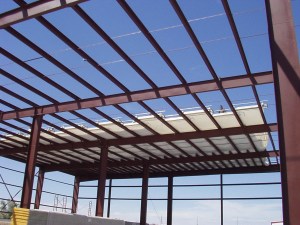
Radiant Barrier Problems in Metal Structures
Beyond the air gap issue, there are several other radiant barrier problems that show up specifically in metal buildings and pole barns:
- Dust accumulation: Once the reflective foil gets coated in dust (which happens naturally over time) it loses its reflectivity. A dusty radiant barrier is essentially just a layer of material with no meaningful insulating properties.
- Cold climate failure: Foil insulation metal building products are primarily effective in hot climates where solar radiation drives attic heat gain. In colder climates, radiant barriers provide little to no benefit and can actually trap moisture against metal surfaces, accelerating rust and corrosion, the exact problem good insulation is supposed to prevent.
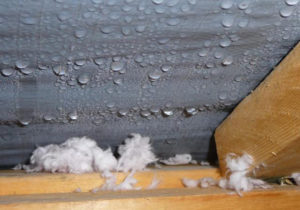
- Condensation risk: When warm, humid air from inside the building moves toward the cold metal roof and hits a foil surface without proper vapor management, condensation forms. On a metal building, that means rust. It means dripping ceilings. It means long-term structural damage that quietly drains your budget long after installation day.
- Spray foam compatibility: Some building owners try to combine products by spraying foam directly onto a radiant barrier. This destroys the air gap entirely, making the barrier pointless while adding cost.
Radiant Barrier vs Insulation Metal Building: What Actually Works
So does radiant barrier insulation work? In a limited sense, yes, in a hot climate, on a residential attic rafter, facing a clean air gap, it can reduce cooling loads modestly. But that’s a narrow application. For a metal building or pole barn that needs year-round thermal performance, moisture control and real R-value, it doesn’t hold up as a primary solution.
This is the core of the debate. Traditional fiberglass insulation systems address conductive heat transfer, the dominant heat loss and gain mechanism in most buildings, plus they provide vapor barrier protection that keeps metal structures dry and corrosion-free. That’s not something reflective foil can replicate.
A properly installed fiberglass system with a quality facing delivers measurable, tested R-value, a bright clean interior finish and genuine moisture management. It works in summer and winter. It works in dusty environments. And it doesn’t rely on maintaining a perfect air gap to function.
If you’re weighing your options for a metal building or pole barn, it’s worth having a real conversation about what your structure actually needs. Visit CMI Insulation to learn more about insulation systems built specifically for metal buildings and get results that show up on your energy bill, not just on a spec sheet.
FAQs – Frequently Asked Questions
Are radiant barrier myths common in the metal building industry?
Yes. The metal building and pole barn market is particularly targeted by reflective insulation marketing because buyers often aren’t aware of the air gap requirement or the R-value limitations.
Can I combine a radiant barrier with real insulation?
In some cases a radiant barrier facing on a fiberglass batt can add modest benefit, but the foil needs to face an air gap to contribute anything meaningful.
What should I use instead for my metal building?
A fiberglass insulation system designed specifically for metal structures, with a proper vapor barrier facing, addresses conduction, convection and moisture in one system.
